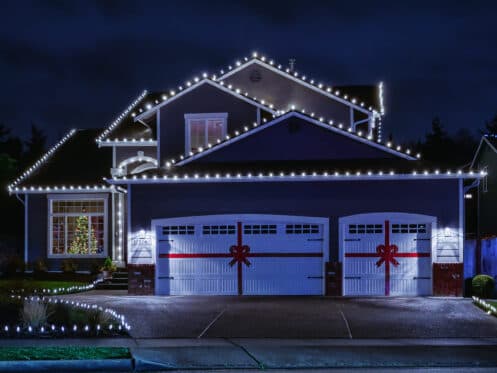
Holidays in Coachella Valley, CA bring dazzling displays of light and color. Despite all the joy and merriment they bring, holiday decorations can come with electrical safety risks when not properly installed. The following tips can help you to have a bright, merry and safe holiday season.
1. Inspect Indoor and Outdoor Lights After Removing Them From Storage
Before wrapping last year’s lights around your tree or hanging them from your home, thoroughly inspect each strand. Look for:
- Worn and bare wires
- Broken bulbs
- Missing bulbs
- Blown fuses
Most string lights come with several replacement bulbs and fuses. While you can always put new bulbs and fuses in as needed, lights with worn wiring should be immediately retired.
2. Don’t Overload an Outdated Electrical System
If you have grandiose decorating plans this season, make sure that your electrical system can support them. Take a look at the outlets and the size of each indoor and outdoor circuit to get an idea of the electrical load for each.
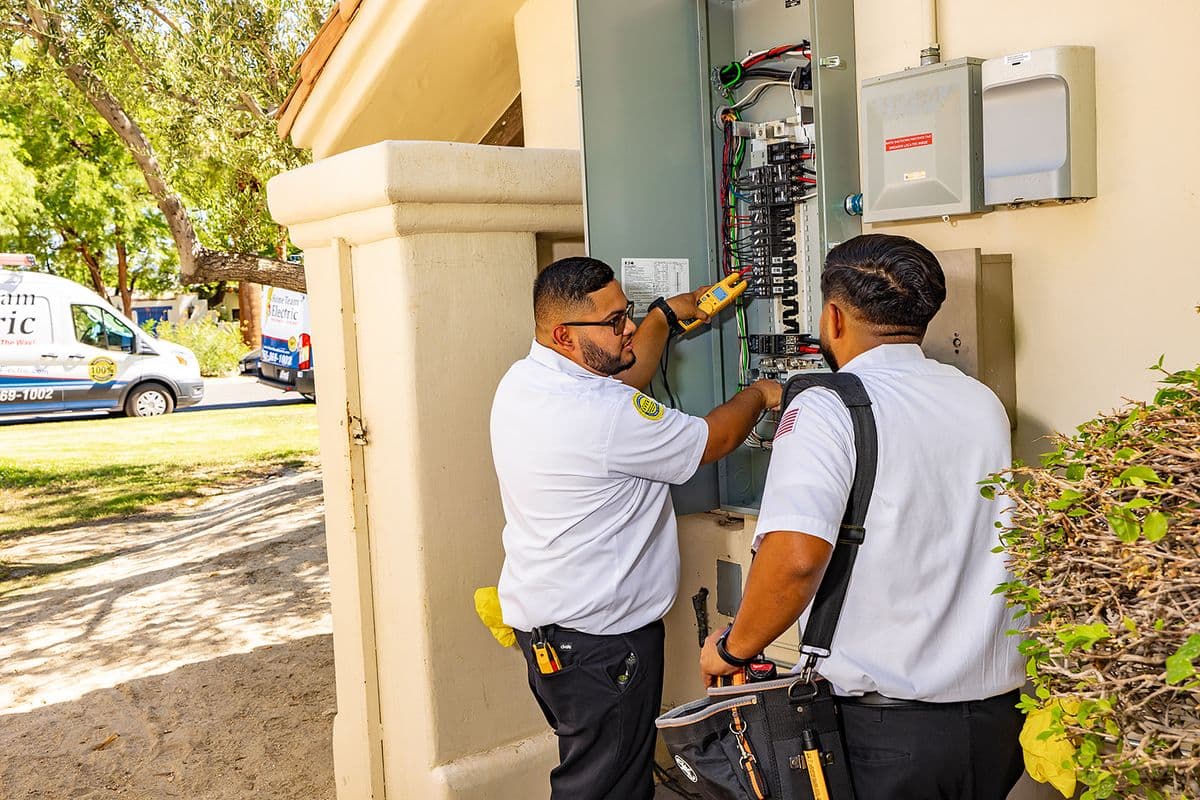
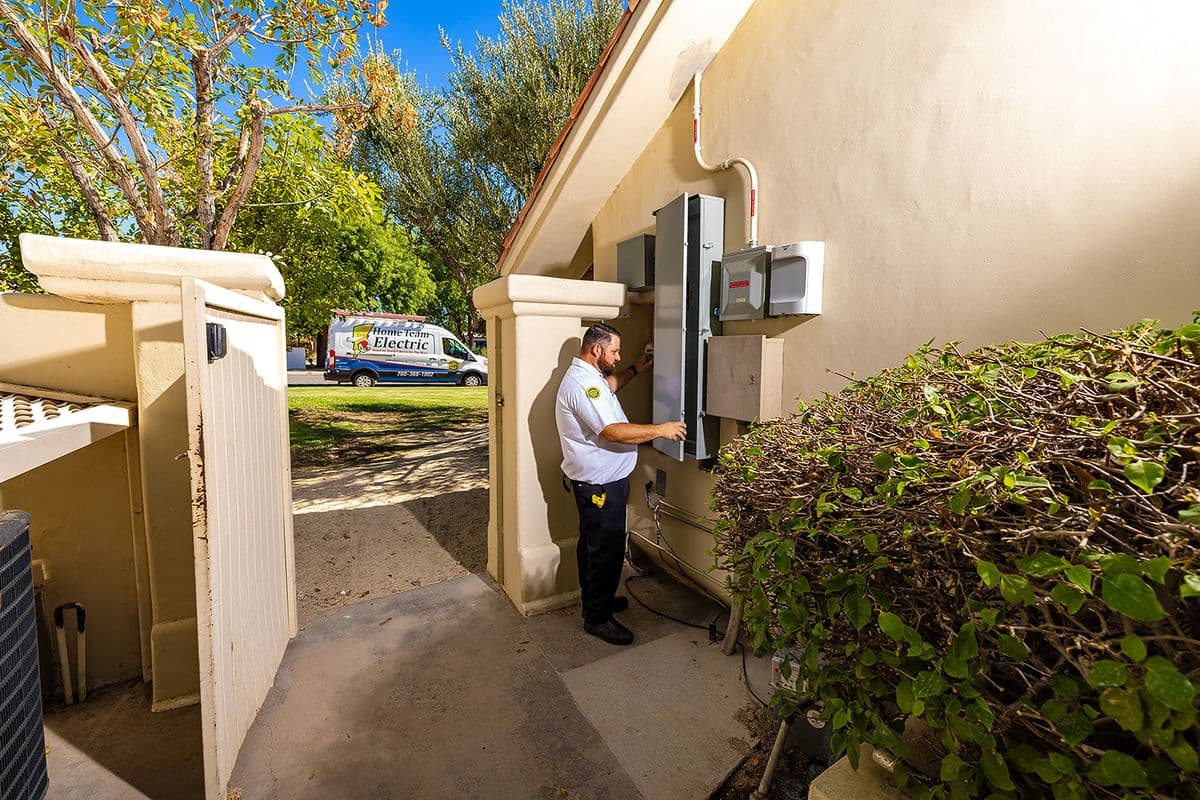
When the holiday break arrives, you’ll likely have more people in your home using your outlets, turning on televisions, and running your dishwasher and washing machine. If your electrical system is outdated, your decorative additions could overwhelm it. Homeowners should update their electrical systems every 20 to 25 years. With a modern electrical panel and wiring that can capably support your holiday decor, you won’t have to worry about tripped breakers or electrical fires.
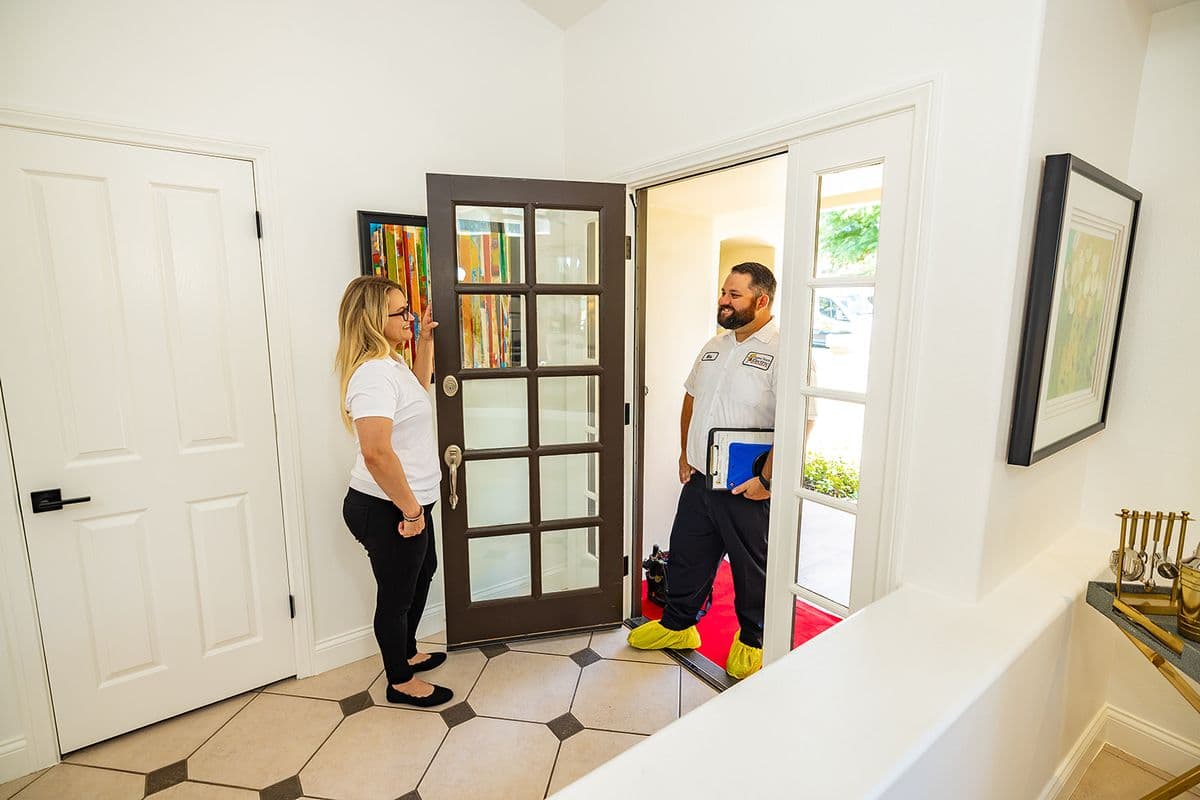
If you are someone who likes large outdoor displays every year, you can work with a professional to determine the load you need and make sure that you have a circuit that can handle the demand. An electrician can also make sure that your outdoor outlets are fully up to code for inclement weather.
3. Use Quality Lights When Decorating for the Holidays
The holiday season is a time of extravagant spending. To make their budgets go further, many people shop for decorations at thrift stores, discount stores, and other establishments with low prices and often low-quality goods. Purchasing lights and other electrically powered decor from thrift stores is always a bad idea. You can never be sure that these items were used and stored correctly in the past, and you won’t know how much wear and tear they’ve already sustained. Used inflatables and lights can also lack important usage information and care instructions.
Among the best ways to avoid dangerous holiday fires is by purchasing new lights that have been safety tested and approved by the Underwriters Laboratory (UL) and the Occupational Safety and Health Administration (OSHA). With proper storage, regular inspections, and testing before reuse, some indoor and outdoor lights can last up to six years. If your current holiday lights are six years or older, now is a good time to replace them.
4. Keep Your Tree Fresh and Healthy
Real Christmas trees tend to dry out over the holiday season. If you intend to set one up in your home, maintain a diligent watering schedule. This will keep your tree looking fresh until it’s time to take it down. It will also limit the risk of fires.
When using a real tree as part of your holiday decor, take your decorations down and store them promptly. Even with regular watering, a cut tree will invariably dry out after several weeks of display. Leaving your decorations up beyond the start of the new year is a fire hazard. Hot lights and dry twigs and needles are a recipe for disaster.
Artificial Christmas trees never dry out. They’re an alternative for busy homeowners who have a hard time remembering to water their real trees. Keep in mind that if your artificial tree comes with built-in lights, it needs to be replaced as often as your other string lights.
5. Never Cover Your Cords
Make sure that light cords and the cords for decorative inflatables aren’t traveling under rugs or furnishings. This can lead to overheating and fires. You should also keep cords a safe distance away from fixed heat sources such as fireplaces, HVAC air vents, stoves, and portable heaters. Finally, keep your cords free from walkways to avoid creating tripping hazards.
6. Use the Correct Extension Cords
Grandiose holiday decorating schemes are rarely possible without extension cords. To keep your home and all building residents safe, make sure that your extension cords are properly rated for their applications. Don’t use extension cords that are meant for indoor use on the exterior of your home. Don’t plug multiple items into a single extension cord, and never chain multiple extension cords together.
7. Don’t Connect More Than Three Strings of Lights
When building a strand of continuous lights, never connect more than three strings of lights together. Doing so could cause a short circuit. It also creates the risk of overheating and electrical fires. If you have three connected strings of lights and still need more lighting to complete your design, start with a fresh strand that’s plugged into a different outlet.
8. Use Properly Rated Outlets
When decorating the exterior of your home, only use GFCI (shock prevention) outlets with functional outlet covers. If you don’t have GFCI outlets at the exterior of your home or if you don’t have enough of them, consider having more installed. These outlets will prove handy throughout the remainder of the year when you host outdoor dinners or parties or build out your summertime lighting plan.
Outlet covers protect outlets from the natural elements. They keep rain and other moisture out. They also keep dust and other windblown debris out of outlet slots. Limit your risk of electrical fires by having outdoor outlet covers installed or replacing damaged ones.
9. Turn Lighted and Inflatable Decorations Off Before Going to Bed
Always turn your electrically powered holiday decor off before going to bed or going on vacation. Even the best precautions won’t completely eliminate the risk of electrical problems, and you certainly don’t want an electrical fire to break out while everyone is sleeping or away.
To make things easy, consider investing in smart Christmas lights and connecting them to your smart home control system. With smart lights, you can set a timer for easy, daily shutoff. Some options even allow homeowners to remotely control their holiday lighting via branded apps and Internet-connected devices.
10. Use Clips Rather Than Staples and Nails
Put away your nail and staple guns and invest in light clips for hanging. Stapling and nailing string lights can damage their internal wiring. Even if they continue to function after being bent, broken, or pierced, damaged wires can overheat, spark, or start fires at any moment.
We help homeowners in Coachella Valley protect their properties during the holiday season. Proudly serving the region since 2006, we offer outstanding electrical, ceiling fan, and pool inspection services. You can count on us for expert electrical panel upgrades, electrical repairs, EV charging station installation, and more. To get your electrical system ready for your holiday designs, get in touch with Home Team Electric now.
Google Search
Get more of our updates on Google
If our work has been helpful, add us as a preferred source: Google will show more of our updates in your Top Stories and AI results. It only changes what you see.
Add as Preferred SourceWritten By

Frank Luersen
leadership
There's a running tradition inside Home Team Electric called Frank Pranks, and it says everything about the kind of culture Frank built. Ask anyone on the team about it and they'll grin before they finish explaining it. Someone sets it up, he walks right into it, the room erupts, and whether he actually sees it coming is still an ongoing debate. Frank could settle it anytime. He hasn't.
California C-10 Electrical Contractor License #879507. Verify at cslb.ca.gov
Published November 4, 2024