


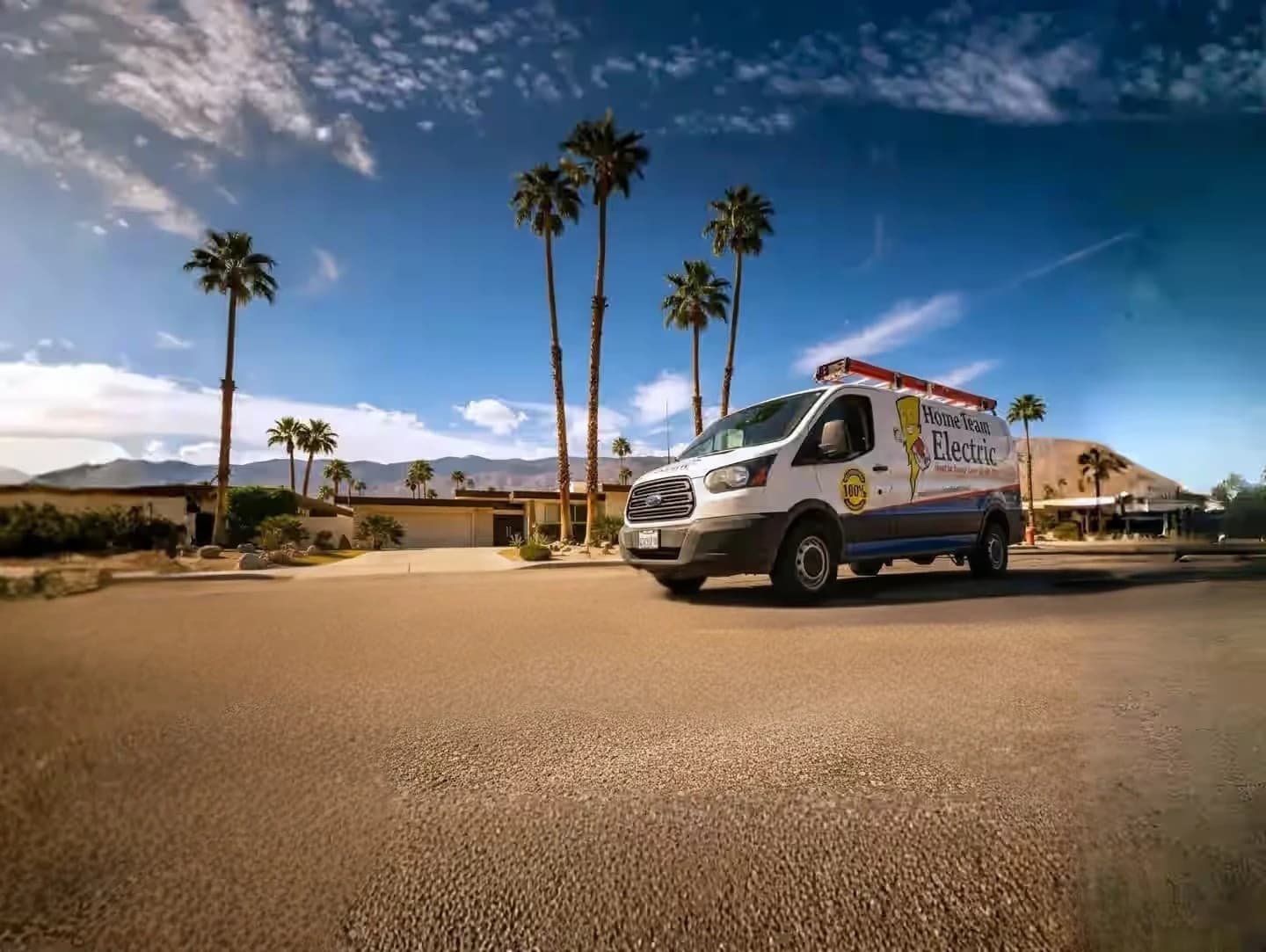
When Does an Older Desert Home Need Rewiring?
Rewiring is warranted when the wiring itself, not just a device, has aged past safety: brittle or damaged insulation, ungrounded two-wire circuits, aluminum branch wiring, or repeated faults across different circuits. Desert attics bake wiring insulation for decades. An evaluation maps which circuits actually need work, because most older homes need targeted rewiring, not a whole-home gut.
The Desert Context
What fifty summers in a desert attic does to wiring
A large share of the homes we serve across the Coachella Valley and Morongo Basin were built between the 1950s and the 1980s. Their wiring has spent every summer since in attics that reach 150 degrees and stay there. Heat is what ages wire insulation, and desert attics deliver more heat-hours in a decade than mild climates deliver in three.
The copper inside the wall is usually fine. It is the insulation around it, baked brittle by decades of attic heat, that gives up first.
Older home does not automatically mean rewire
Plenty of older desert homes have healthy wiring, and plenty of newer ones have a bad circuit or two. The age of the home raises the question. Only the condition of the actual circuits answers it, which is why we evaluate before we recommend anything.
Written By
Frank Luersen
Owner and Founder, Home Team Electric
California C-10 Electrical Contractor License #879507, with 28 years of residential electrical experience serving the Coachella Valley and Morongo Basin.
Last Updated: August 2026
The Real Triggers
When Rewiring Is Actually Warranted
These are the findings that move rewiring from optional to recommended.
- 01
Brittle, cracked, or heat-damaged insulation
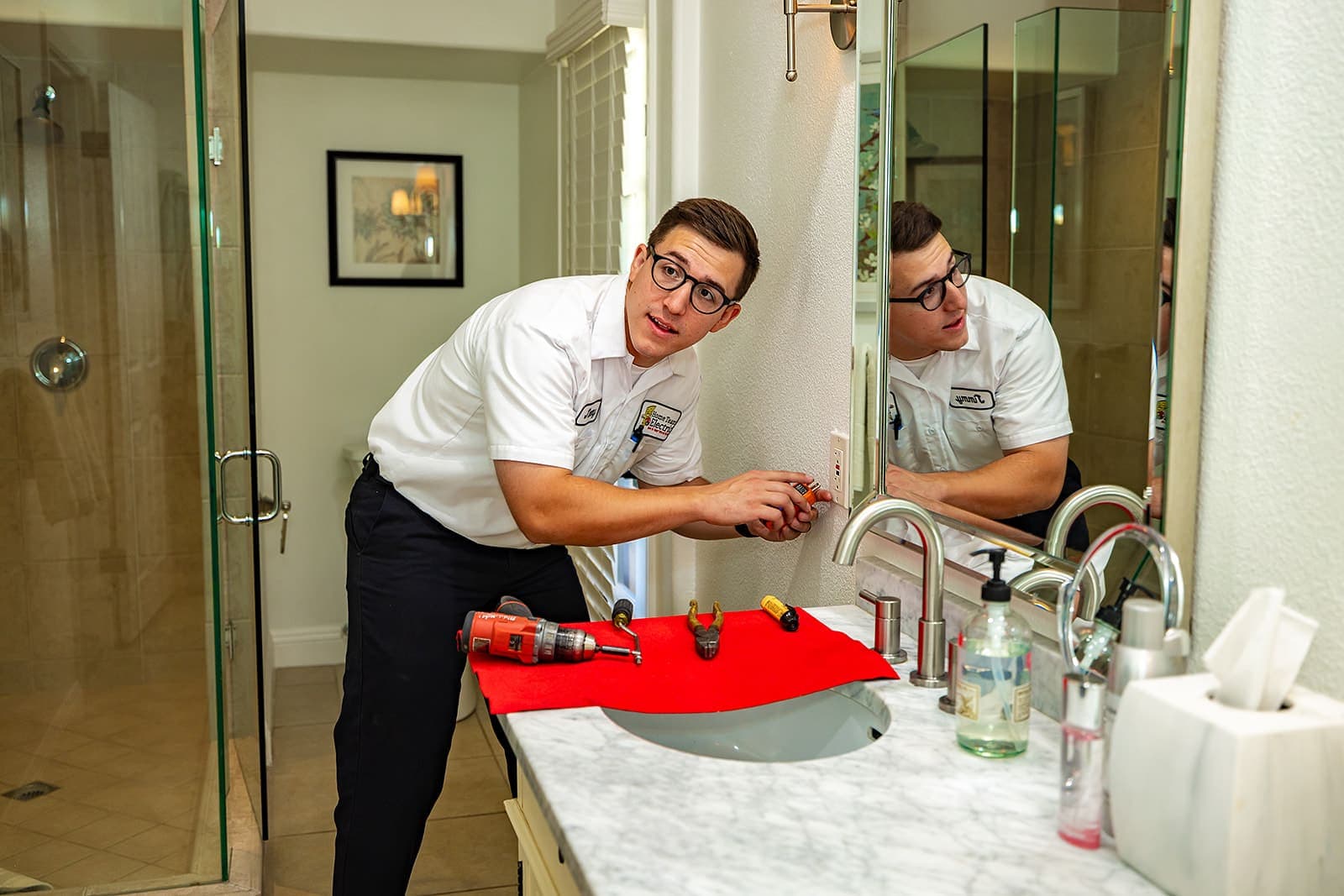
When insulation flakes off at junction boxes or crumbles when a device is replaced, that circuit has no margin left. Brittle insulation plus a desert attic is how faults start inside walls.
- 02
Ungrounded two-wire circuits
Two-prong receptacles mean no equipment ground, which modern electronics, surge protection, and GFCI (shock prevention) strategies all assume exists. Grounding can sometimes be added per circuit; sometimes rewiring the run is the honest fix.
- 03
Aluminum branch-circuit wiring
Aluminum branch wiring from the late 1960s and early 1970s expands and contracts more than copper with every desert heat cycle, loosening at terminations. It has documented, code-recognized remediation paths, and pretending it is copper is not one of them.
- 04
A pattern of faults across different circuits
One bad device is a repair. Warm outlets, repeated trips, and flickering spread across different circuits is a system talking. At that point patching device by device costs more than fixing the cause.
The goal is not new wire everywhere. The goal is no circuit in the home you have to think twice about.
Know the Difference
Repair, Target, or Rewire
The honest triage has three lanes, and most older homes land in the middle one.
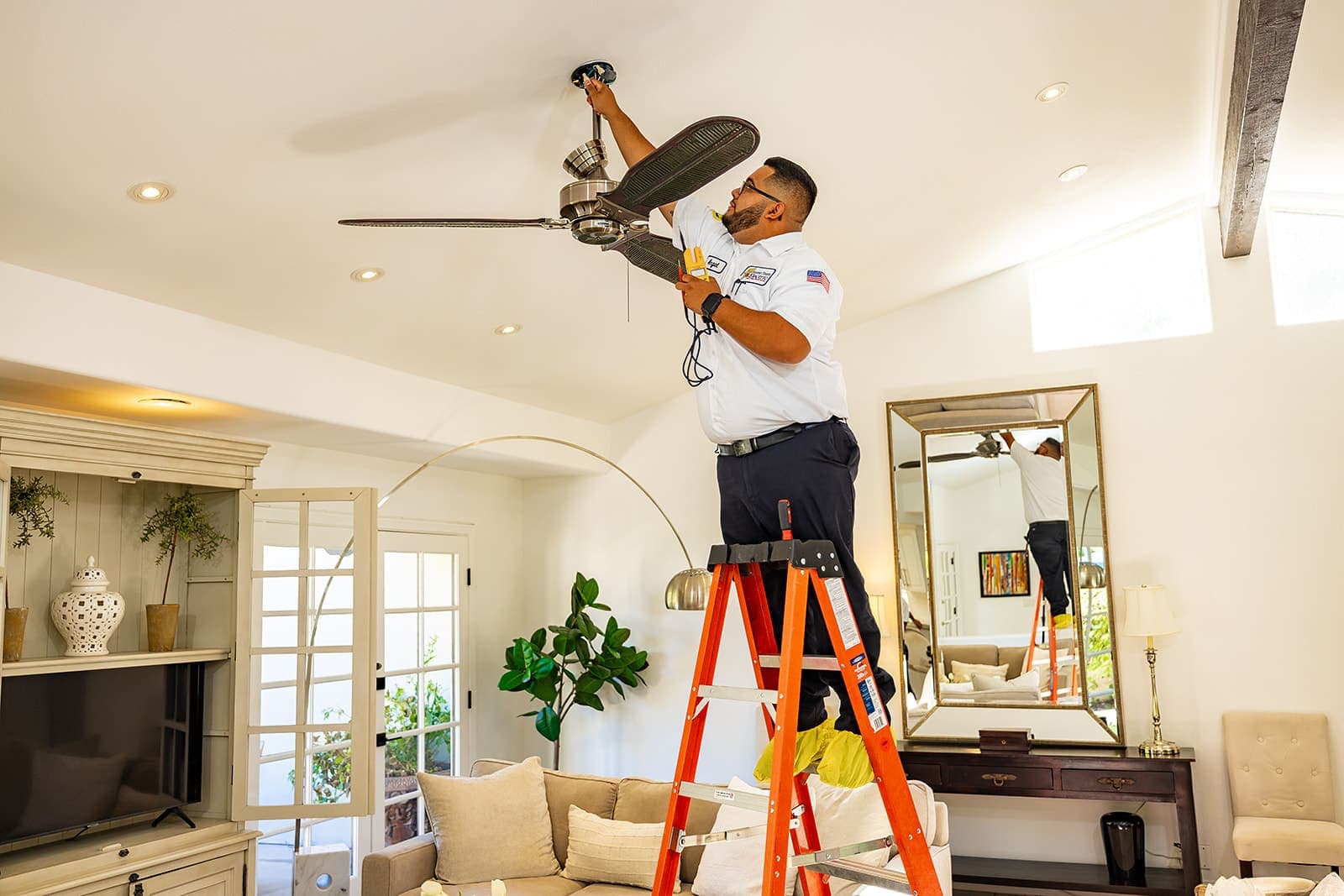
- Replacing worn devices and tightening heat-loosened terminations.
- Adding GFCI (shock prevention) protection where code expects it today.
- Correcting an isolated circuit with damaged insulation.
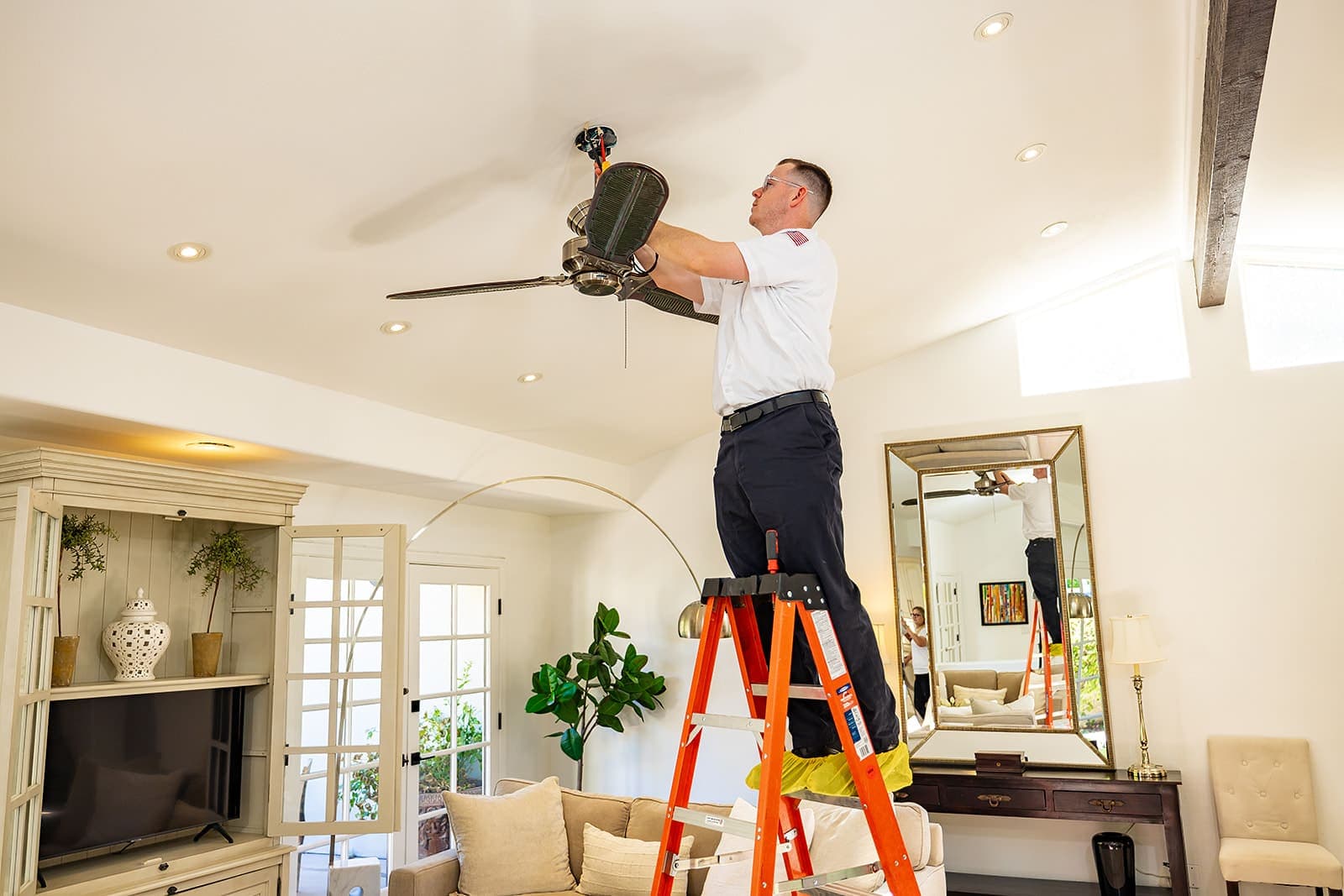
- Aluminum branch wiring throughout the bedroom circuits.
- Two-wire ungrounded circuits across most of the home.
- Brittle insulation at every box the evaluation opens.
A fifty-year-old home does not need a new everything. It needs an honest map of which circuits earned their retirement.
Stop and Make the Call
Call an Electrician Immediately If
- Any outlet, switch, or cover plate is warm to the touch.
- You smell burning or a fishy odor anywhere in the home.
- Breakers trip repeatedly on different circuits in the same season.
- Lights flicker across rooms, not just at one fixture.
In an older home these signs deserve faster attention, because aged insulation has less margin between warm and dangerous.
What to Expect
What to Expect During a Wiring Evaluation
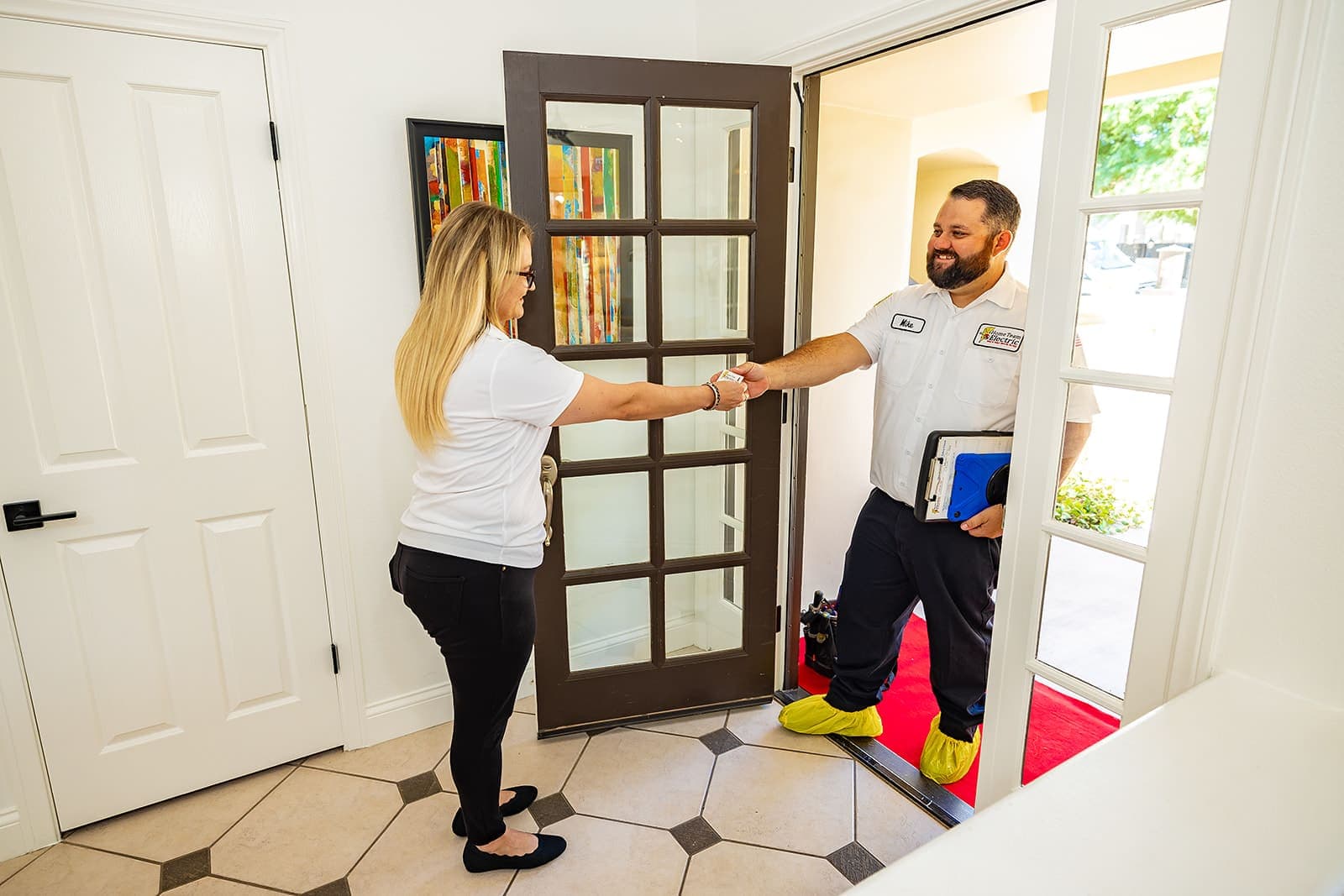
The evaluation maps the system circuit by circuit, so the recommendation is targeted instead of theatrical.
- 01
Representative devices and junctions get opened.
Insulation condition is read where it actually lives: at boxes, terminations, and attic runs, not guessed from the panel.
- 02
Wiring type and grounding get identified per circuit.
Copper versus aluminum, grounded versus two-wire, and the condition of each gets documented in plain language.
- 03
You get a circuit-by-circuit map with priorities.
What is healthy, what needs attention this year, and what can be planned. Guaranteed pricing in writing for any work you choose.
- 04
Work is permitted, inspected, and guaranteed.
Rewiring work is code-compliant, city-inspected, and backed by the Lifetime Workmanship Guarantee.
Backed by the Work
Certified Expertise and a Fully Stocked Truck
A service fee covers the visit and a fully stocked truck. Our team includes certified residential specialists, electricians in training, and apprentices, and a certified electrician leads or oversees the work in your home. That standard is built on verified field experience, formal technical education, rigorous testing, and ongoing training (weekly classroom training in our own training room). Pricing is presented in full and approved before any work begins. Same-day service available.
- California C-10 Electrical Contractor License #879507. Verify it at cslb.ca.gov.
- Home Team Electric works exclusively on residential electrical systems in desert conditions. All work is code-compliant and backed by our Lifetime Workmanship Guarantee.
Get an honest map of your home's wiring.
Book a service call with an electrician who works desert homes every day.
Google Search
Get more of our updates on Google
If our work has been helpful, add us as a preferred source: Google will show more of our updates in your Top Stories and AI results. It only changes what you see.
Add as Preferred Source