Residential Electrical
16,000+ homeowners served.

Smoke Detector Installation

Home Team Electric has installed and serviced smoke detectors across the Coachella Valley and Morongo Basin since 2006, with over 25,000 completed residential projects.

Licensed, Bonded & Insured · C-10 #879507
Emergency Service, Day or Night
Serving the Desert Since 2006

The Short Answer

When do my smoke detectors need to be replaced?

Smoke Detector Installation
Emergency electrical service badge
BBB Accredited Business

Every smoke detector has a ten-year lifespan. After that, the sensor inside the unit can no longer be trusted to detect smoke, regardless of how the detector looks or whether the test button still works. If your detectors are past their ten-year manufacture date, they need to be evaluated and likely replaced. The same applies if they're chirping without cause, triggering false alarms, or running on replaceable batteries instead of sealed 10-year power packs.

  • Ten-year lifespan is a California Fire Marshal requirement, not a manufacturer suggestion
  • Desert heat and daily temperature swings loosen wiring connections behind detectors
  • Sealed 10-year battery packs required since 2015; replaceable batteries are non-compliant
  • Interconnected systems make every alarm sound together when one triggers
  • Annual soft-brush cleaning prevents false alarms from dust buildup
  • The test button checks the horn, not the sensor that detects smoke
California Licensed, Bonded & Insured · C-10 #879507
Weekly Classroom Training in Our Own Training Room
Same-Day Service Available

Last verified: August 2026

28
Founder's Years in the Trade
25,000+
Residential Projects
4.9
from 1,606 Google Reviews
$99
Business-Hours Service Call

Book a Service Call

Not sure your smoke detectors actually work?

An electrician tests every alarm in your home, checks the wiring and interconnection, and explains exactly what's protecting you and what isn't. Same-day visits.

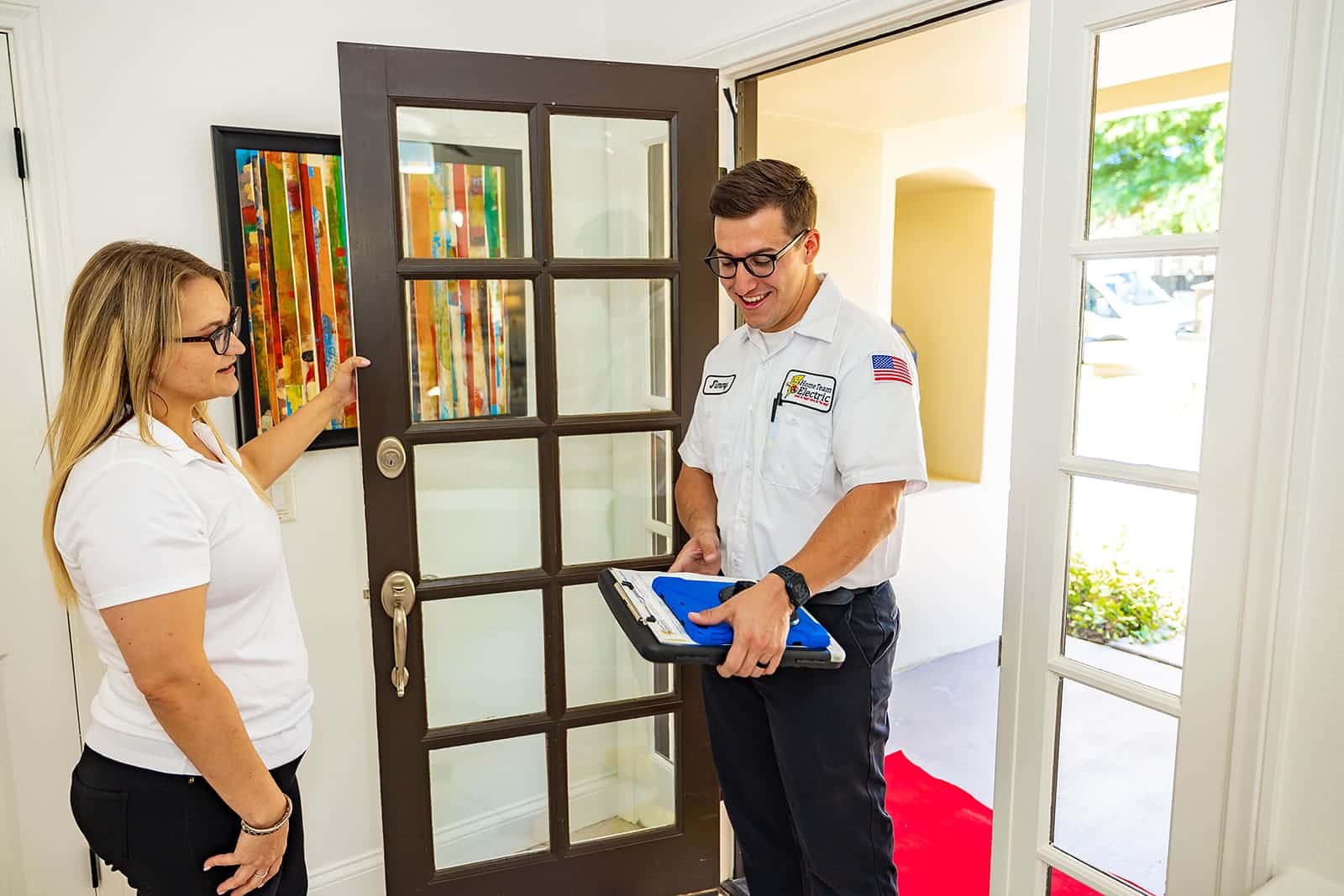
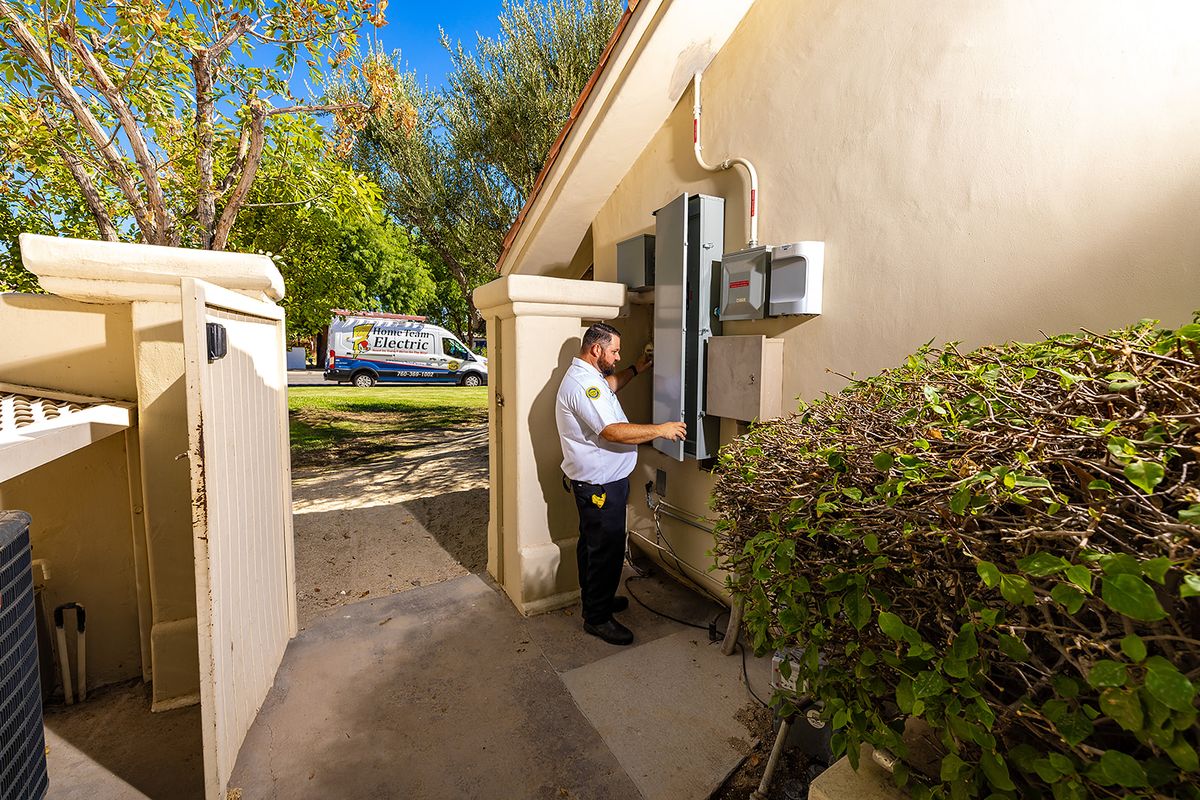
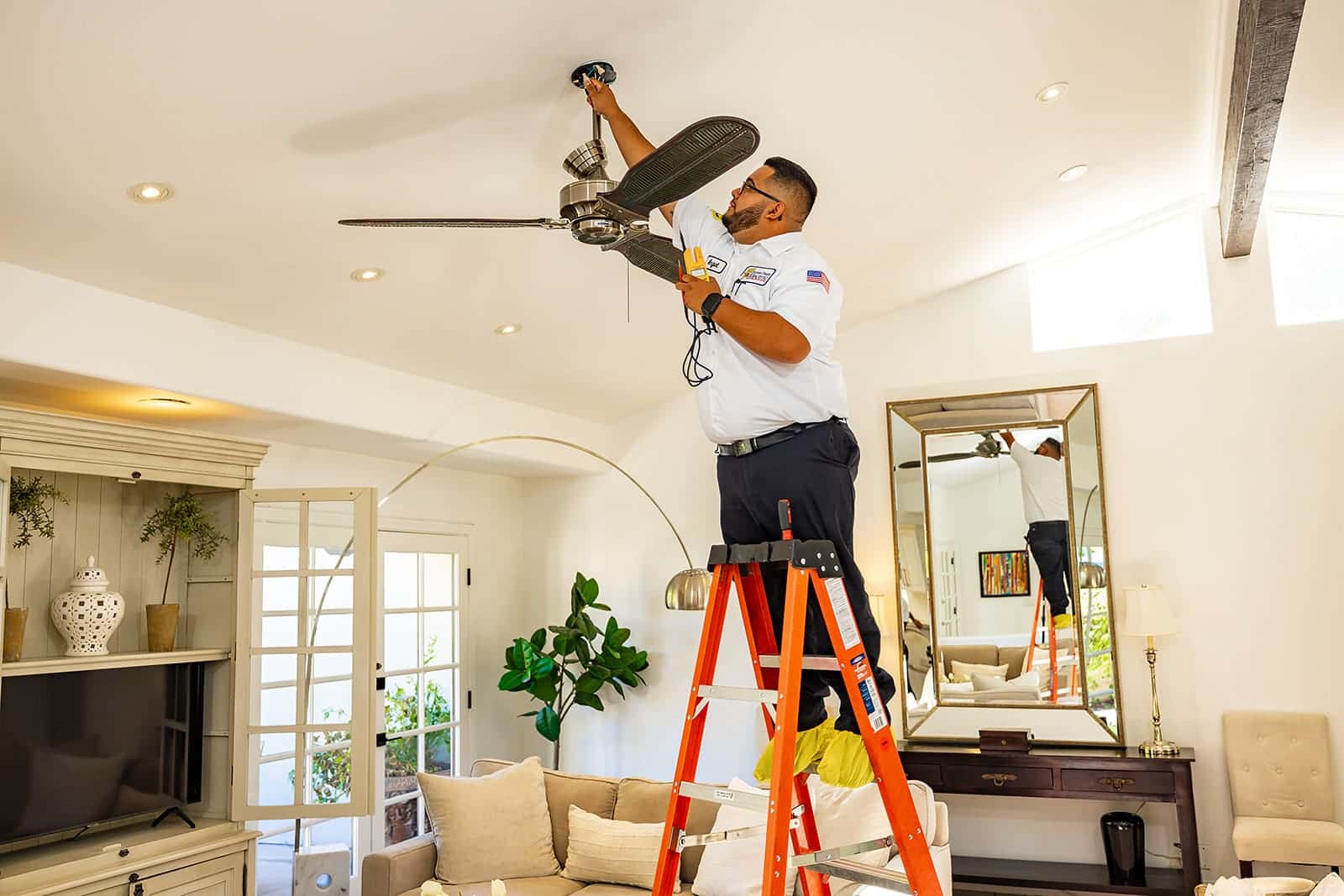
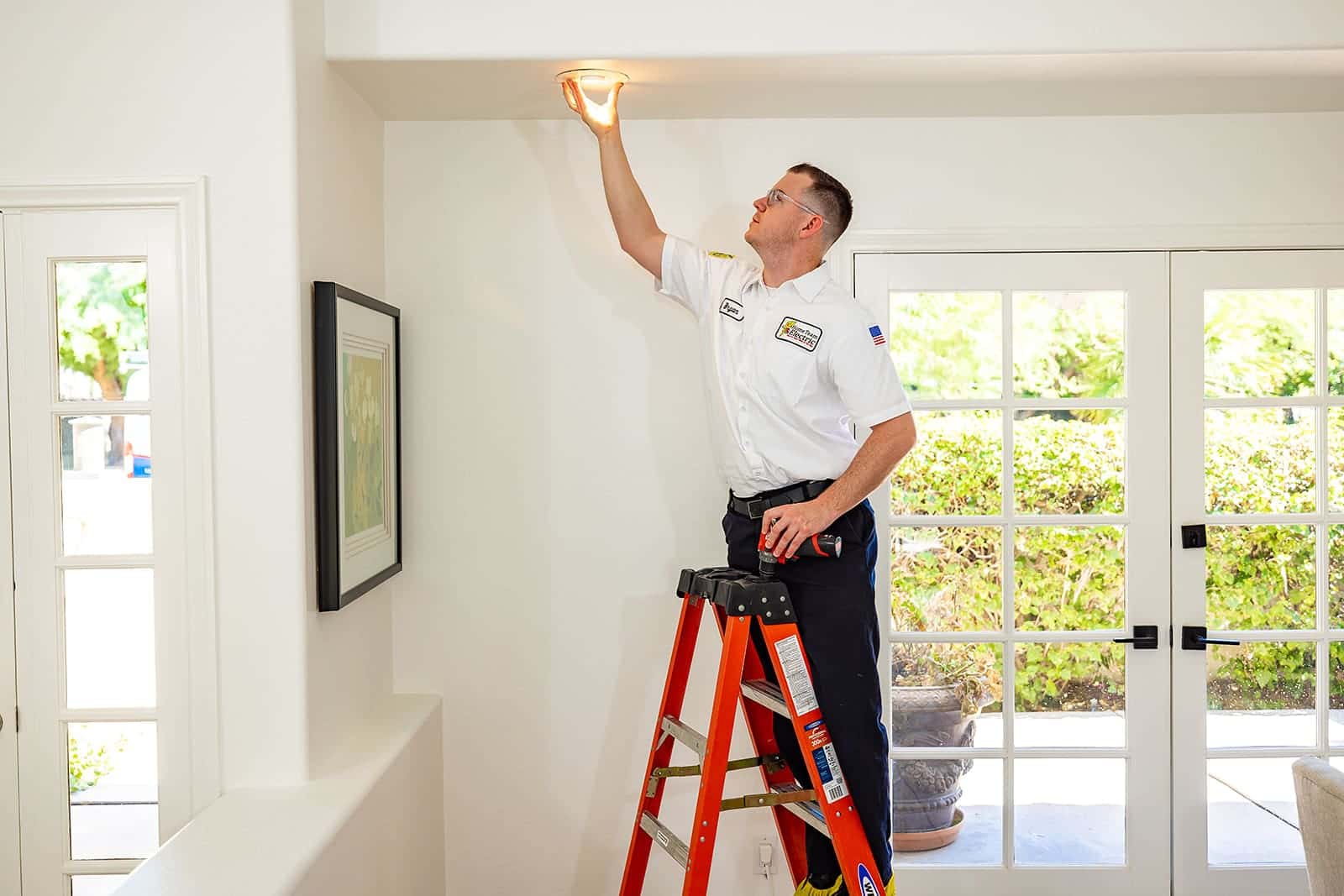
An electrician from Home Team Electric on a residential job in the Coachella Valley and Morongo Basin

Know the Signs

Signs Your Smoke Detectors Need Attention

Smoke detectors don't last forever, and most homes have a mix of ages, types, and brands that were never meant to work together. If you notice any of these, it's worth having an electrician check what's actually protecting your home.

  • 01

    A chirp that won't stop

    That single chirp every 30 to 60 seconds is the alarm telling you something. Usually it's a low battery, but on an older unit it can mean the sensor itself is at end of life. Swapping the battery quiets it for a while, then it starts again, because the real issue isn't the battery. A chirp is the alarm asking for help. The question worth answering is whether it needs a battery or a replacement.

  • 02

    Alarms older than ten years

    Smoke detectors have an expiration date, and most homeowners have never looked for it. The sensing element degrades over time whether the alarm has ever gone off or not. After about ten years from the manufacture date printed on the back, the unit can no longer be trusted to detect smoke reliably. An alarm on the ceiling that looks fine can be years past the point where it still does its job.

  • 03

    Alarms that don't talk to each other

    In an interconnected system, one alarm sensing smoke sets off every alarm in the house. Older homes often have standalone, battery-only units instead, so a fire starting in the garage at night might only sound the garage alarm, far from the bedrooms. Interconnection is the difference between a warning you sleep through and one that wakes the whole family. If testing one alarm doesn't sound the others, they aren't connected.

  • 04

    Missing coverage on a level or in a bedroom

    Modern fire safety calls for a smoke alarm inside every bedroom, outside each sleeping area, and on every level of the home, including the basement. Many older homes were built to a far lighter standard, with a single hallway unit covering everything. A fire that starts behind a closed bedroom door can grow dangerously before a distant hallway alarm ever reacts. Gaps in coverage are gaps in the time you have to get out.

  • 05

    A nuisance alarm you've disabled

    An alarm that goes off every time you cook isn't just annoying, it's a sign the wrong sensor type is in the wrong spot, or the unit is too close to the kitchen. The real danger is what people do about it: pull the battery, and the alarm stays silent during a real fire too. A detector that's been disabled to stop false alarms is protecting no one. The fix is the right sensor in the right place, not no alarm at all.

  • 06

    Battery-only protection throughout

    Battery-only alarms work right up until the battery dies or gets borrowed for something else. Hardwired detectors draw from your home's power with a battery only as backup, so they keep working through dead batteries and stay powered during normal life. If protecting your family depends on someone remembering to replace nine-volt batteries on a schedule, the protection is only as reliable as the busiest month of your year.

  • 07

    Yellowed, painted-over, or recalled units

    An alarm that's turned yellow has been exposed to years of heat and UV, common in a desert climate, and the plastic isn't the only thing aging. Paint or dust over the sensor openings blocks smoke from ever reaching the sensor. And some older models have been recalled for failing to alarm. A detector that looks neglected usually is, and it can't be trusted to perform in the seconds that matter.

Frank's Translation

What a Smoke Detector Actually Does

A smoke detector has one job: buy you time. In a house fire, the dangerous thing usually isn't the flames, it's the smoke, and it spreads faster than most people expect. The alarm's whole purpose is to sense that smoke early and give everyone enough warning to get out while there's still a clear path to the door.

A smoke detector is a smoke alarm, not a fire alarm. By the time you can see flames, the warning you needed already came and went.

Inside the unit is a sensor watching the air for the particles smoke gives off. The moment it detects them, it sounds, and in an interconnected system, it tells every other alarm in the house to sound too, so the warning reaches the bedrooms no matter where the fire starts.

The alarm doesn't put out a fire and it doesn't prevent one. It detects, and it warns. When the sensor is old, the wrong type, or sitting alone with no way to alert the rest of the house, that warning arrives late or not at all, exactly when seconds decide the outcome.


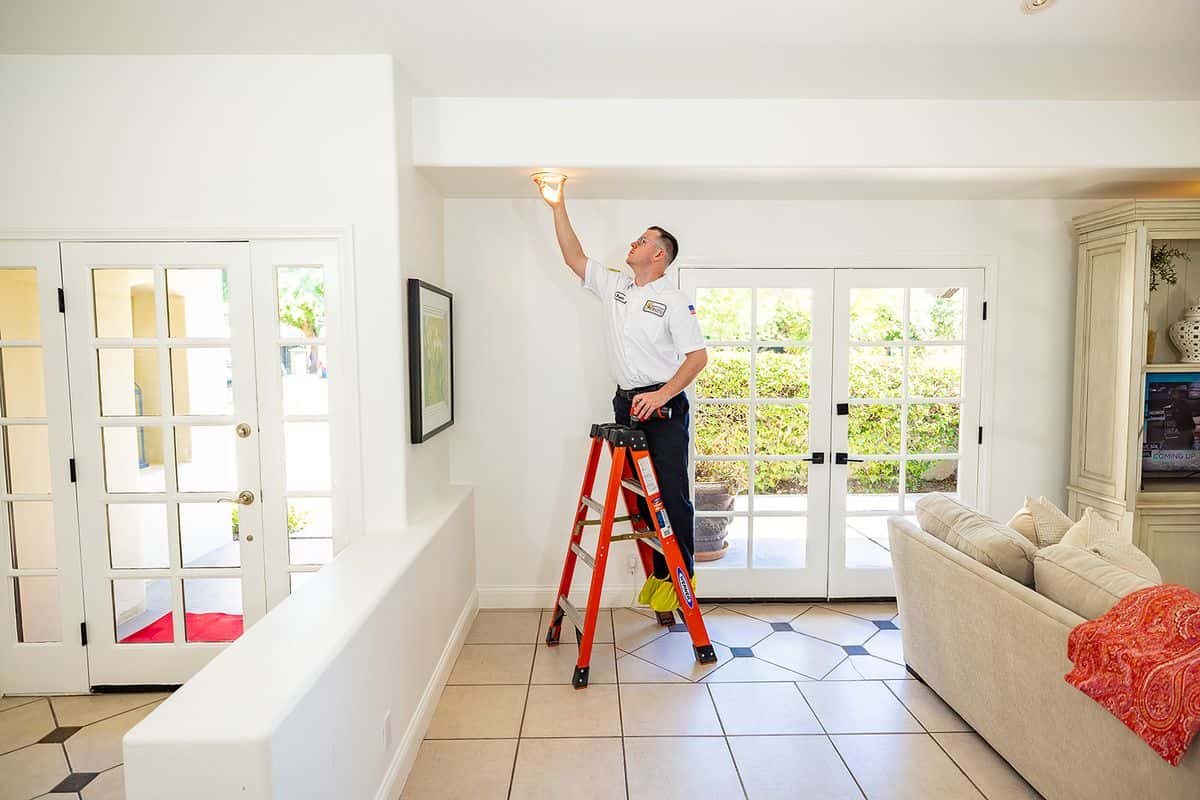
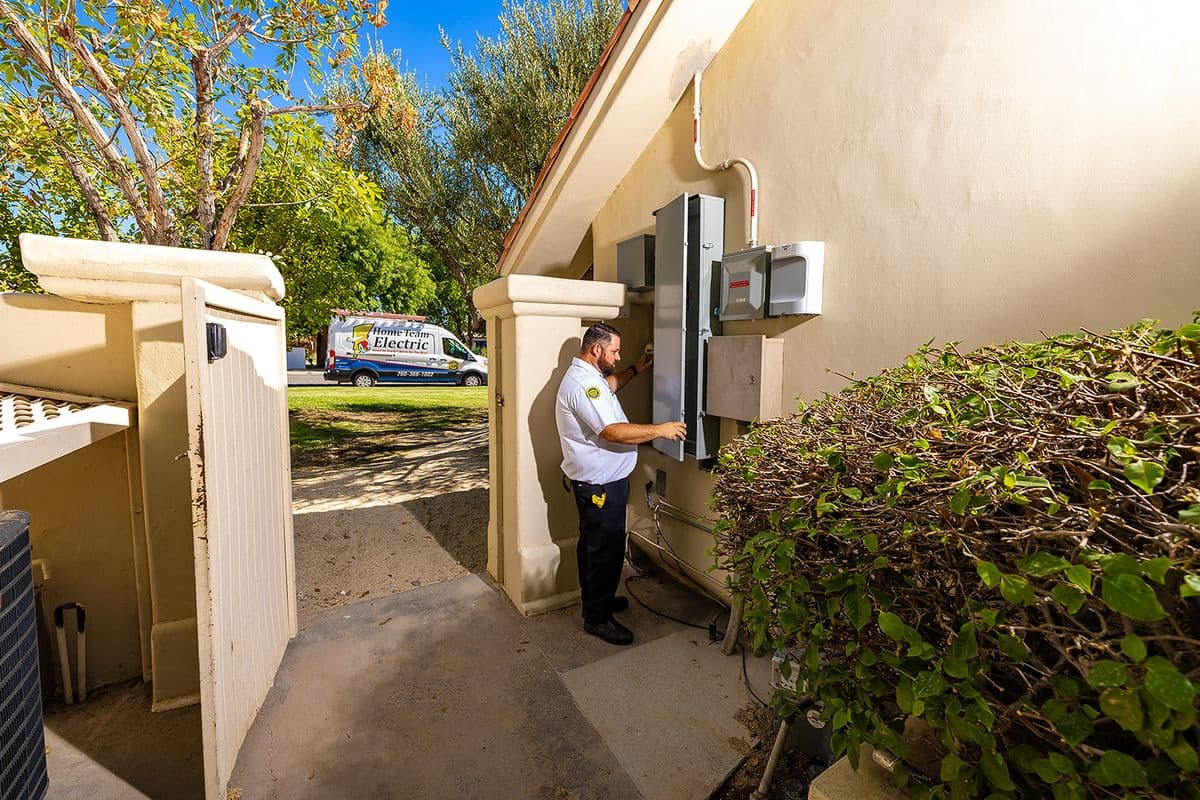
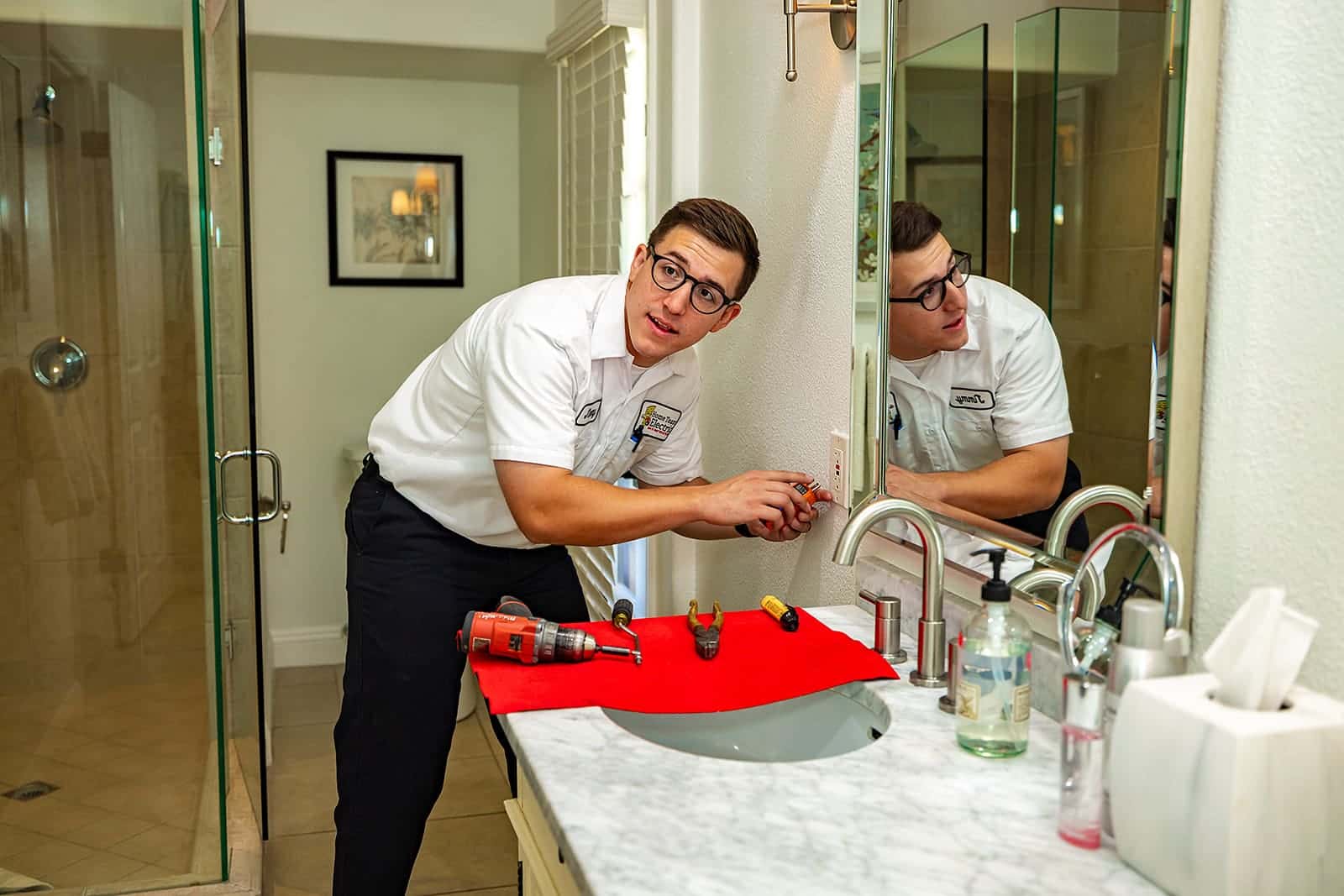
An electrician from Home Team Electric on a residential job in the Coachella Valley and Morongo Basin

A chirp, a yellowed shell, an alarm that doesn't wake the bedrooms. Those aren't the problem. They're the signal that your warning system can't be trusted.

The Sensor Question

Which Smoke Sensor Does Your Home Need?

Not all smoke detectors sense the same way, and putting the wrong type in the wrong room is why so many homes end up with nuisance alarms near the kitchen or slow warnings in the bedrooms. Smoke comes in two forms: the fast, flaming fire that produces large particles, and the slow, smoldering fire that produces tiny ones. A sensor tuned for one is weaker at the other. The goal isn't picking a favorite, it's putting the right sensing in each part of your home so the alarm responds early to whatever kind of fire actually starts.

Smoke detectors come in three standard sensor types. Here's what each one catches best.

Smoldering smoke

Photoelectric

SLOW FIRE

Best for living and sleeping areas

Tuned to detect the larger particles from a slow, smoldering fire, the kind that starts from a cigarette, frayed wiring, or an overheated outlet and fills a room before it ever flames. It's also far less prone to false alarms from cooking, which makes it the right choice near kitchens and in bedrooms.

Flaming smoke

Ionization

FAST FIRE

Best for fast, flaming fires

More sensitive to the small particles from a fast, flaming fire that erupts and spreads quickly. It reacts fast to open flame, but it's the type most likely to nuisance-trip from cooking or steam, which is why placement matters and why it's rarely the best fit right outside a kitchen.

Whole-home standard

Dual-Sensor

BOTH

Catches both fire types

Combines both sensing methods in one unit so it responds early to both fast-flaming and slow-smoldering fires. For most homes this is the simplest way to get complete coverage without having to map each sensor type to each room by hand.

CO

COMBO

Many homes also need carbon monoxide protection, and combination smoke and CO alarms put both in a single unit. Carbon monoxide is odorless and invisible, so it's its own detection job, separate from smoke. Whether a combination unit or dedicated CO alarms fit your layout is part of what a specialist sorts out on site.

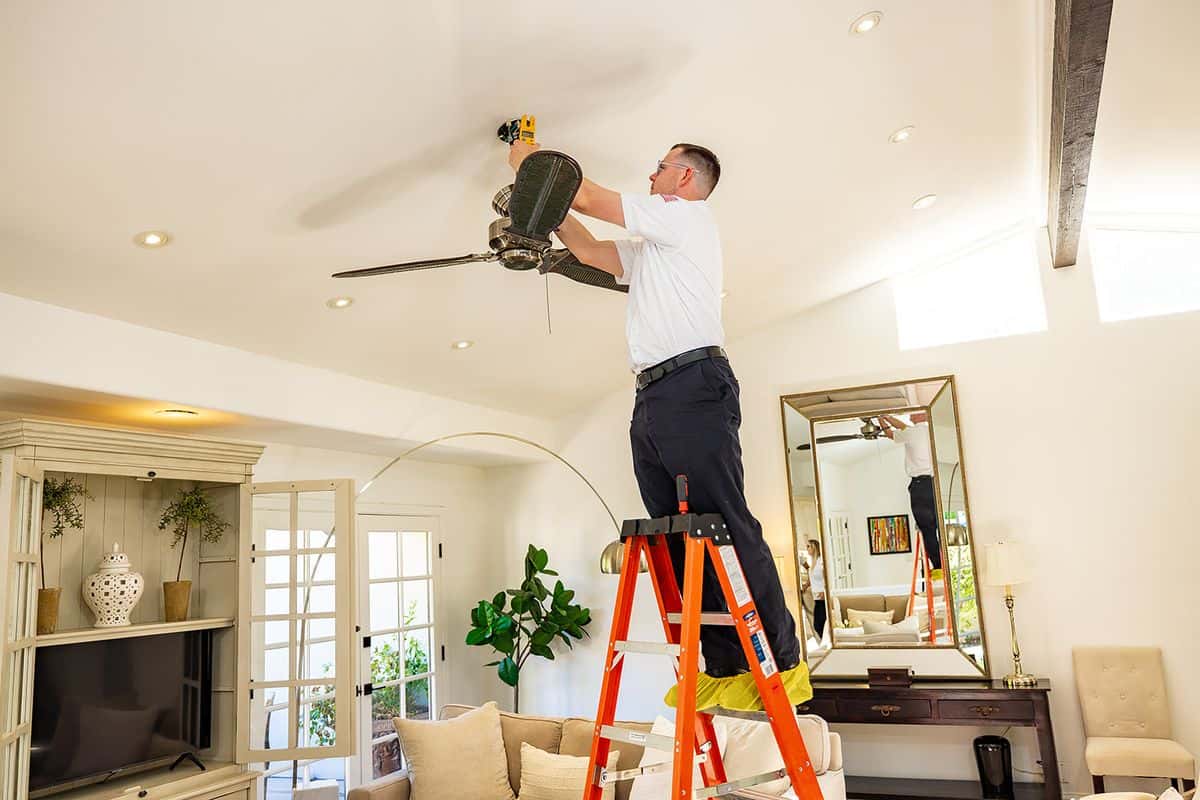
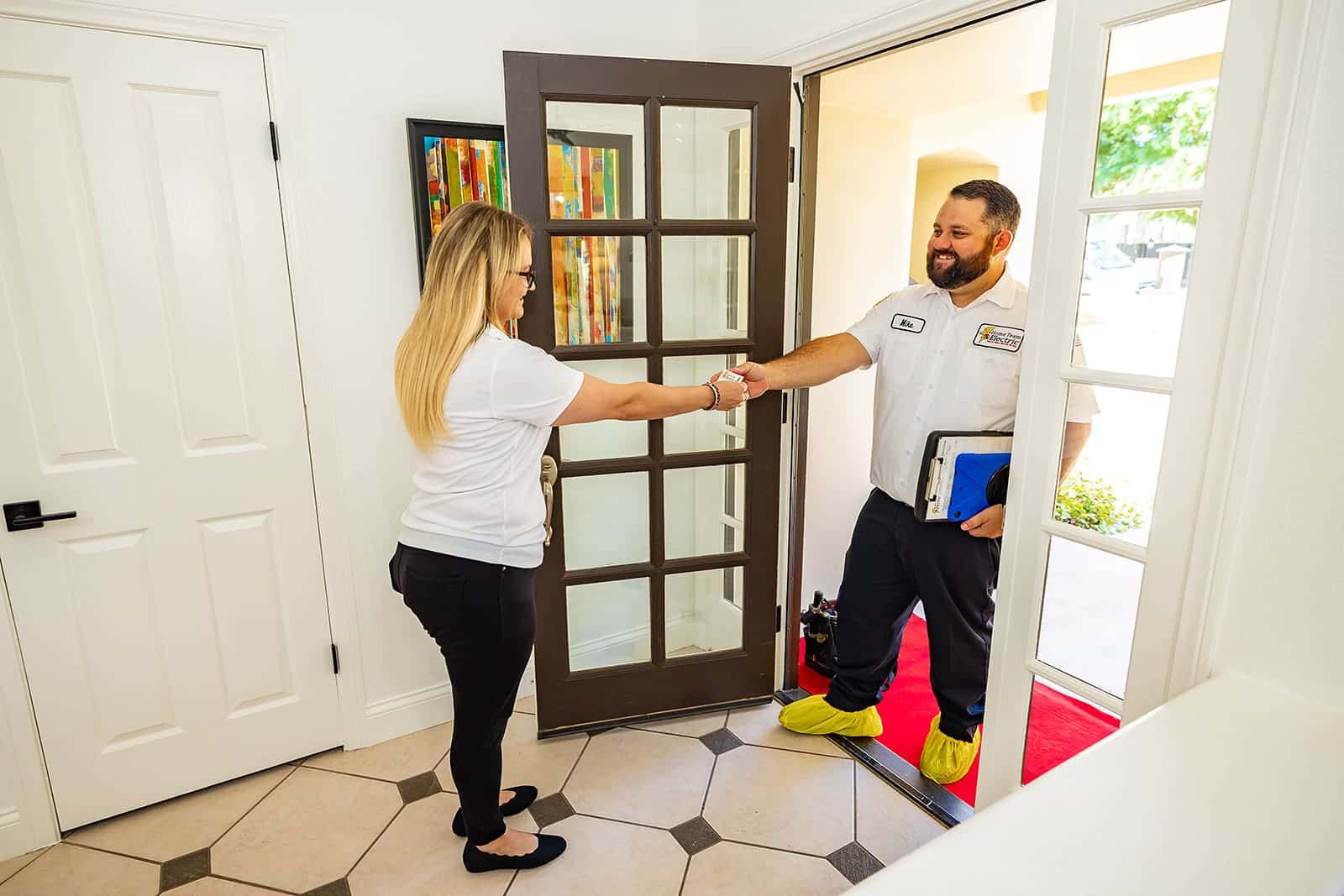
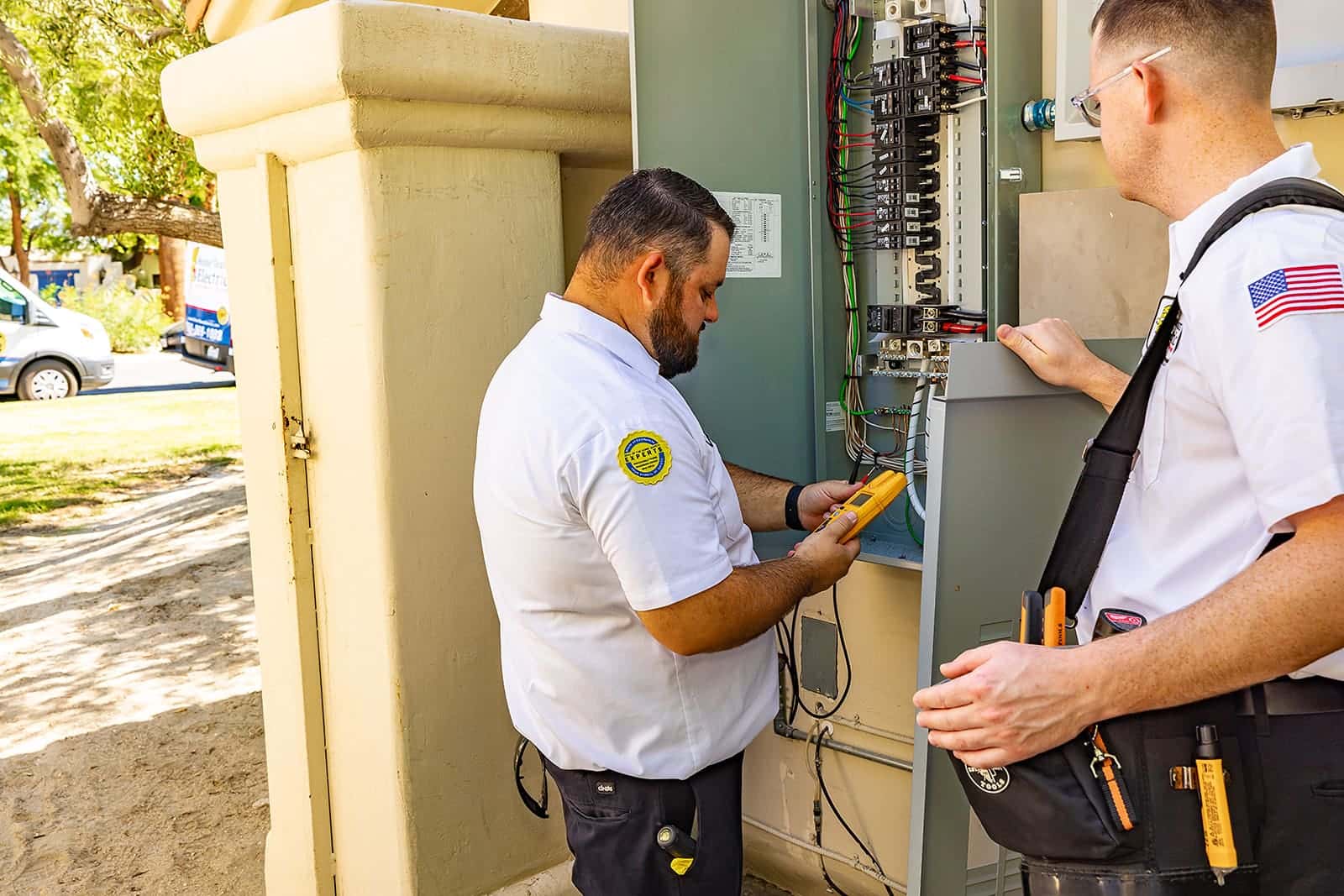
An electrician from Home Team Electric on a residential job in the Coachella Valley and Morongo Basin

No Guesswork

The right sensor and placement are part of every $99 service call

The right detector for each room isn't a rule of thumb, it's a walk-through of your actual home. An electrician checks every level, every bedroom, and the spots prone to false alarms, then tells you exactly which sensor type belongs where and how it all connects. We evaluate first, then give you a straight answer.

What You Get

How We Install and Stand Behind Your Alarms

Every smoke detector installation we do gets the same foundation: hardwired, interconnected alarms placed to code on every level and in every bedroom, with battery backup and expiration tracking. The coverage you choose depends on how much of your home's detection you want us to handle.

Every Installation Includes

  • Hardwired alarms with battery backup, so they work through dead batteries and power outages
  • Full interconnection, so one alarm sensing smoke sounds every alarm in the house
  • A unit inside every bedroom, outside each sleeping area, and on every level to current code
  • The right sensor type matched to each location (photoelectric, ionization, or dual-sensor)
  • Expiration dates logged for every unit, so you know exactly when each one is due
  • Carbon monoxide coverage assessed and combination units placed where they fit
  • Our 100% Satisfaction Guarantee and Lifetime Workmanship Guarantee
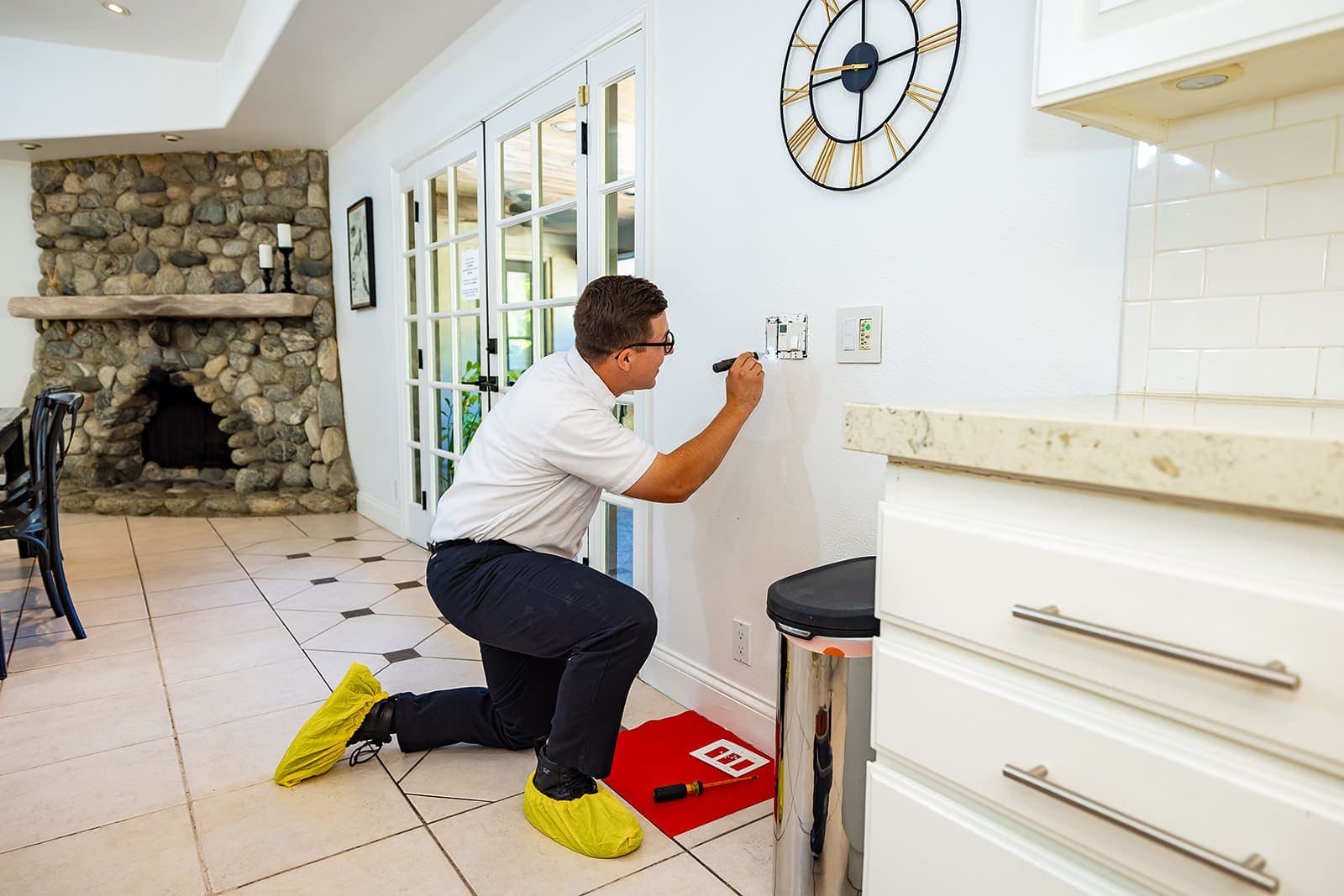
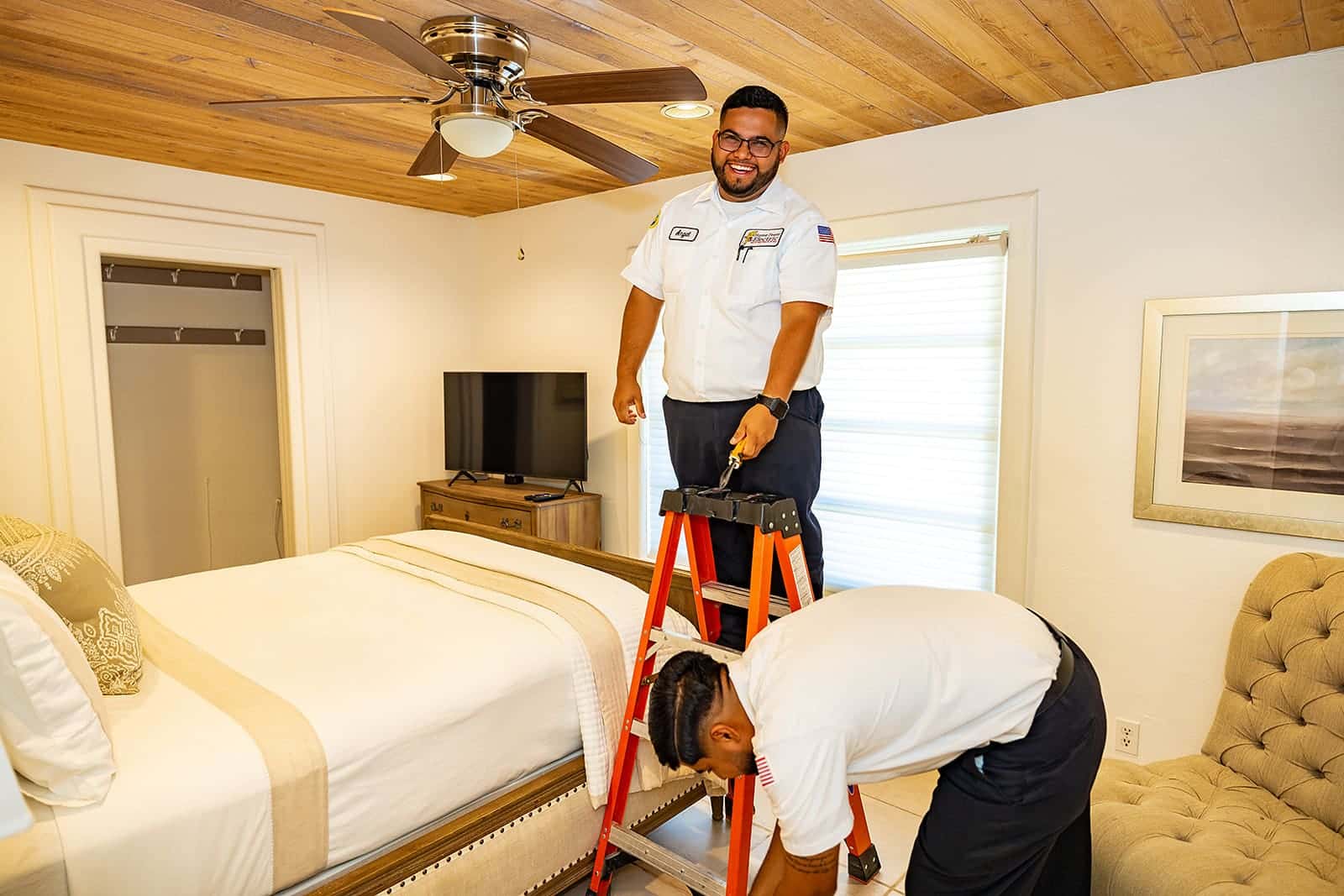
An electrician from Home Team Electric on a residential job in the Coachella Valley and Morongo Basin

Bedrooms & Sleeping Areas

Coverage where it matters most at night

Backed by Home Team Electric

Hardwired, interconnected alarms inside and outside every sleeping area, where most fire deaths happen during the hours people are asleep. The right sensor type goes in each spot so a fire wakes the whole home, not just one room.

1 installation visit, with every unit tested and logged before we leave.

Most Protection

Whole-Home Coverage

Every level, every bedroom, fully interconnected

Backed by Home Team Electric

The complete system to current code: a unit inside every bedroom, outside each sleeping area, and on every level of the home, all interconnected so any alarm triggers them all. The most common choice, because it closes every gap at once.

1 installation visit covering the entire home, fully tested and documented.

Smoke & CO Combined

Smoke and carbon monoxide in one system

Backed by Home Team Electric

Whole-home smoke coverage with carbon monoxide protection built in, using combination units where they fit and dedicated CO alarms where layout calls for them. Two separate dangers, one coordinated system, installed and verified together.

1 installation visit covering both smoke and CO, tested end to end.

An alarm you never test is a guess. Testing is how you turn it back into protection.

A smoke detector can sit silently for years and still fail when it's finally needed, because the sensor degrades whether it ever sounds or not. Hardwiring and interconnection remove the dead-battery risk, but the sensors still age toward their expiration date. That's why we log every unit's expiration and why a periodic test confirms the whole interconnected system still sounds together, not just one alarm at a time.

The Difference Most Miss

We Track Every Expiration Date for You

Smoke detectors expire on a date printed in tiny text on the back of a unit nobody ever takes down. When we install your system, we record the manufacture and expiration date of every alarm, so replacing them becomes a known schedule instead of a guess. The Lifetime Workmanship Guarantee covers our installation work, and the expiration tracking means you'll know which unit is due before it quietly ages out of protection.

An electrician from Home Team Electric on a residential job in the Coachella Valley and Morongo Basin

10

Years is the typical life of a smoke alarm before it needs replacing

Call 760-248-8709 and talk to a real person.

Start to Finish

We Handle the Entire Job

A whole-home smoke detector install means running power, interconnecting every unit, placing each one to code, and verifying the system actually works as one. That sounds like a lot to manage. The good news is you don't manage any of it. We do.

Done to Code

Placement & Interconnection

Current fire-safety standards call for a unit inside every bedroom, outside each sleeping area, and on every level, all interconnected.

We map your home against those requirements, find the gaps, and place each alarm where it belongs, not just where the old one happened to be. Hardwiring and interconnection mean one alarm sensing smoke sounds them all, so the warning reaches the bedrooms wherever the fire starts. We confirm the whole system sounds together before we call it done.

We Match It

Sensor Selection

The wrong sensor in the wrong room is why so many homes have nuisance alarms near the kitchen and slow warnings in the bedrooms.

We choose the right sensing for each location: photoelectric where slow smoldering fires and cooking nuisance-trips are the concern, dual-sensor where you want both fire types covered in one unit. You don't research detector types or guess which goes where. We bring the right units and put each one where it actually belongs.

Logged For You

Testing & Documentation

Every unit gets tested at install, and every expiration date gets recorded so replacement is a known schedule, not a surprise chirp at 3 a.m.

We test each alarm and confirm the full interconnected system sounds as one, then log the manufacture and expiration date of every unit on file. When an alarm is due, you'll know which one and when, instead of hunting tiny print on a ceiling. The record is yours, and it's there for an inspection, an insurer, or a future buyer.

An electrician from Home Team Electric on a residential job in the Coachella Valley and Morongo Basin

Keeps Them Reliable

What Every Annual Maintenance Visit Includes

The install is the start. Sensors age toward their expiration date whether they ever sound or not, so ongoing checks are what keep the system trustworthy. Here's exactly what we check, every visit.

  • Every smoke alarm tested individually and confirmed sounding
  • The full interconnection verified, so one alarm triggers them all
  • Battery backup checked and replaced as needed on hardwired units
  • Expiration dates reviewed against our records, with due units flagged
  • Sensor type and placement re-confirmed against current code
  • Carbon monoxide alarms tested where installed
  • Each unit cleaned and checked for dust, paint, or yellowing that blocks the sensor

Every visit is performed by an electrician and documented on a signed checklist, to code and Home Team Electric standards. Nothing is taken on faith. It's written down.

The placement, the interconnection, the right sensors, the testing, and the expiration tracking. You don't manage any of it. Book the $99 service call and we'll handle the whole job from here.

REAL RESULTS

What homeowners across the Coachella Valley and Morongo Basin say about Home Team Electric.

“Mike from Home Team Electric showed up on time and took his time to inspect and explain to me the issues and the various options with my electrical panel and failed main breaker. He was courteous, friendly and knowledgeable, and answered all my questions. Great service!”

E
Eric George

“I couldn’t be more impressed! He was incredibly nice, very professional, and clearly knowledgeable. From start to finish, he handled everything with care and efficiency. Best of all, he was able to get our electricity back up and running quickly, which was such a relief. I...”Read the full review

C
Cynthia Bernardez

“We had another great experience with Home Team Electric! Gio and Angel came out to help us with some garage lights, label our electrical panel, and do a safety check of our home. They also installed some new smoke alarms for us. They were both really friendly, professional, and...”Read the full review

A
Anderson Mobile Detail

“Mike, David and the Home Team crew did an exceptional job on our reroofing project. They coordinated with the roofing company to remove old and unnecessary conduit from the roof before the roofers sprayed new foam, then came back and set up an updated system to our specifics...”Read the full review

j
j dangle

“The team at Home Team Electric was fantastic to deal with. We had a late night emergency at our home and the technician they sent over was very knowledgable and was able to get our problem solved. Highly recommend this company!”

K
Kristen

“You won’t be disappointed dealing with home team. Carlos, David, Oscar, Brett, Angel came out and did the entire house in one day. They worked hard and in the end it was definitely worth it as the house’s electricity is working top-notch right now and the lights are brighter. I...”Read the full review

N
Nicholas Novosel III

“Josh inspected my electrical system. He was very thorough and patient as he went through everything, very pleasant and friendly. He left me with an understanding of what I need and what my options are. I’m very satisfied with his service and professionalism.”

S
Susan Ballazhi

“Their Awesome ,The very Best, Great we couldn’t be happier with the service and your ELECTRICIANS Angel D. and Angel B. They installed a portable generator backup system for our home .”

D
Diana Whelan

“Carlos was great. We loved working with him!”

G
Garyztwo

“We were looking into the possibility of installing a generator. Mike was knowledgeable and was able to explain what the process involved, as we have solar and a back-up battery.”

L
Lisa Mess
16,000+

Homeowners Served

See what homeowners across the Coachella Valley and Morongo Basin are saying about our work.

Read All Reviews

Our Process

Here is What Happens When You Call

No surprises. Every job follows the same steps, since 2006.

1

Priority Scheduling and Safety Check

Smoke detector calls get priority scheduling. If alarms are chirping or sounding, the electrician silences them first, then confirms there's no active fire or smoke source before the evaluation begins.

2

Baseline and Full Evaluation

Every call includes a baseline check of the circuits and panel feeding the detectors for safety, system integrity, and workmanship protection. A no-cost evaluation of the home's overall electrical condition is included with no pressure. The homeowner decides whether to proceed.

3

Detailed Inspection and Assessment

Every detector gets pulled down. The electrician checks each manufacture date, reads any indicator codes, and inspects the wiring connections behind the unit. If connections are loose, wiring is degraded, or the unit is expired, you'll know before any work begins.

4

Guaranteed Pricing Before Work

The $99 service fee covers the time to evaluate the situation, review your options, and provide guaranteed pricing before any work starts. Every decision about what happens next belongs to you. Same-day service available.

5

Installation and System Walkthrough

our electricians reconnect every wire using the Lifetime Connection Standard, replace the harness and mounting bracket, and install the new detector. The electrician then runs a full system test and walks you through the green indicator light, silencing an alarm, and testing the system monthly.

Home Team Electric electrician on a service call

Pro tip: Most smoke detector installation projects are completed in a single visit. For larger jobs, you get a realistic timeline during the evaluation, before anything is scheduled.

Dependable

Built to last, backed by our promise

Problems don't care what time it is. Home Team Electric has been there for the Coachella Valley and Morongo Basin families since 2006, and we stand behind every job we do. Financing available on approved credit so you can get the work done when you need it.

2006
Serving the Desert
Since
4.9
Google
Rating

Get In Touch

Contact our team

Serving the Coachella Valley and Morongo Basin since 2006. Same-day service, and after-hours emergency service at $289. Real people answer the phone. • 72091 Woburn Ct Ste A, Thousand Palms, CA 92276 • 760-248-8709 • info@hometeamelectric.com

$99
Service Call
Written Price Before Any Work Begins

Frequently Asked Questions

Common questions about smoke detector installation

How Does Living in This Desert Change the Way You Evaluate a Home’s Electrical System?

It changes the evaluation from the start. Coachella Valley summers regularly climb past 115 degrees, and Morongo Basin day-to-night swings can exceed 40 degrees, cycling expansion and contraction through every connection. So symptoms get read against the home's age, construction era, and load history, not just the breaker that tripped.

What Protections Do I Have If Something Goes Wrong After the Job?

Two guarantees with proof behind them. The 100% Satisfaction Guarantee means if the work does not meet your expectations, we make it right. The Lifetime Workmanship Guarantee means we fix workmanship failures at no charge, and the coverage stays with the home if you sell it. Behind both: California C-10 Electrical Contractor License #879507 and a $1,000,000 per-occurrence liability policy.

Why Does Home Team Electric Only Work on Residential Homes?

Because residential electrical work is a specialty, not a side category. Most contractors split time between construction, commercial buildings, and residential calls. Home Team Electric chose one focus in 2006: the electrical systems inside homes across the Coachella Valley and Morongo Basin. Decades inside thousands of desert homes builds pattern recognition no generalist schedule can produce.

Who Is Home Team Electric, and Who Will Actually Be in My Home?

Home Team Electric is a residential-only electrical contractor serving the Coachella Valley and Morongo Basin since 2006. The person at your door is a Home Team Electric electrician: drug tested, background checked, and professionally trained, with weekly ongoing training. The company has completed more than 25,000 residential projects, with a 4.9 Google rating and 16,000+ homeowners served.

Do I Need GFCI (Shock Prevention) Protection by the Pool and Spa?

Yes. Code requires GFCI (shock prevention) protection for pool and spa equipment, nearby receptacles, and underwater lighting, and the requirement exists because water and electricity meet here on purpose. Many desert pools predate today's requirements and run unprotected. If you do not know whether yours is protected, that is exactly what the evaluation answers.

When Does an Older Desert Home Need Rewiring?

Rewiring is warranted when the wiring itself, not just a device, has aged past safety: brittle or damaged insulation, ungrounded two-wire circuits, aluminum branch wiring, or repeated faults across different circuits. Desert attics bake wiring insulation for decades. An evaluation maps which circuits actually need work, because most older homes need targeted rewiring, not a whole-home gut.

Still Need Help?

Our team is ready to answer your questions about electrical services.