In this modern day and age, we all rely on a plethora of appliances and electrical devices every day. How many of your appliances and devices are protected when a power surge rips through your home’s electrical system? If you’re like most homeowners, the answer is not many of them. This is where a whole-home surge protector could be right for you.
What Is a Power Surge?
A power surge happens when a spike in electricity flows through a circuit. Every appliance, electronic device, outlet, and light switch in your home is only designed to handle a specific amount of electricity. If more electricity than this designated amount passes through the wires to these items, it can result in serious overheating and a potential fire.
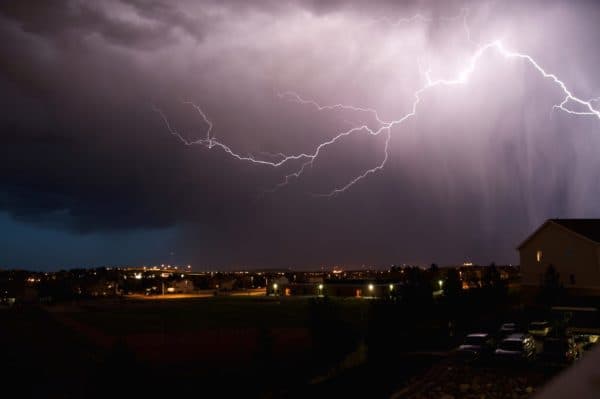
Power surges can happen due to lightning strikes, electrical grid issues, and even downed power lines. In most cases, power surges will cause the internal electronic components and circuit boards inside your appliances and other electronic devices to melt. One of the best ways to protect against power surges is to invest in a whole-home surge protector.
What Is a Whole-Home Surge Protector?
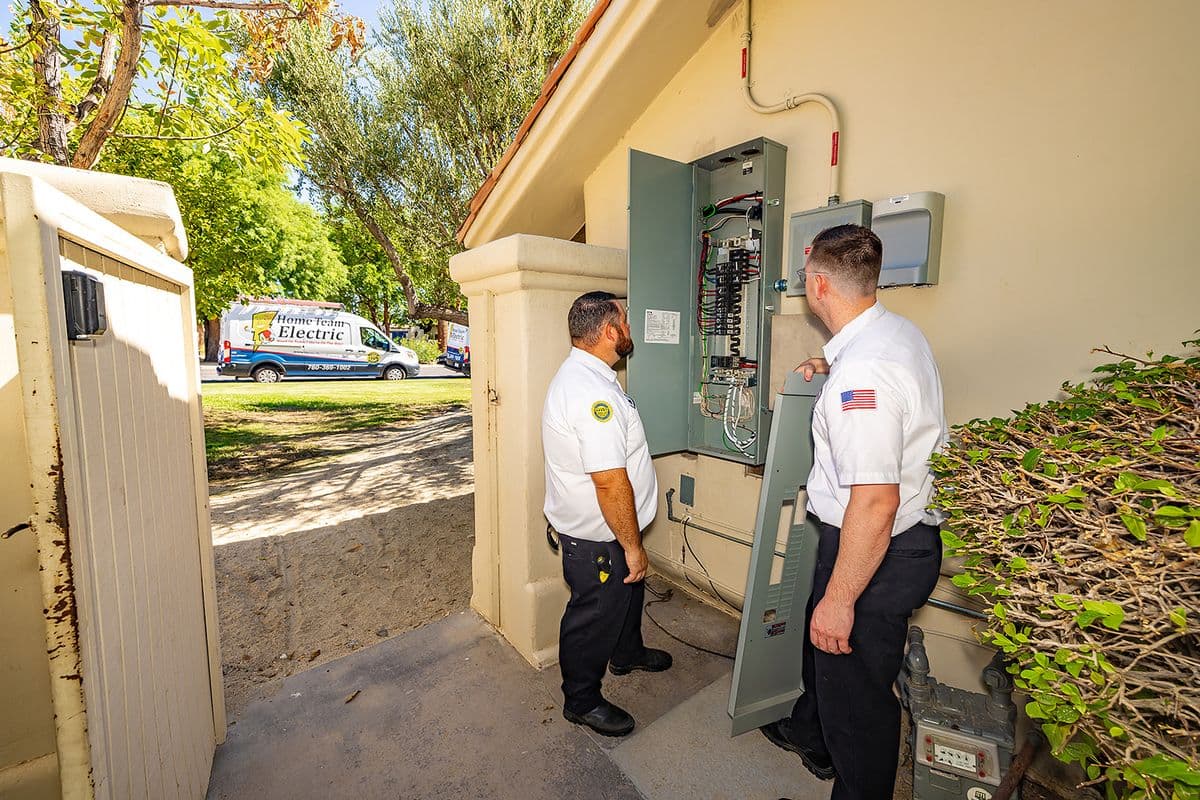
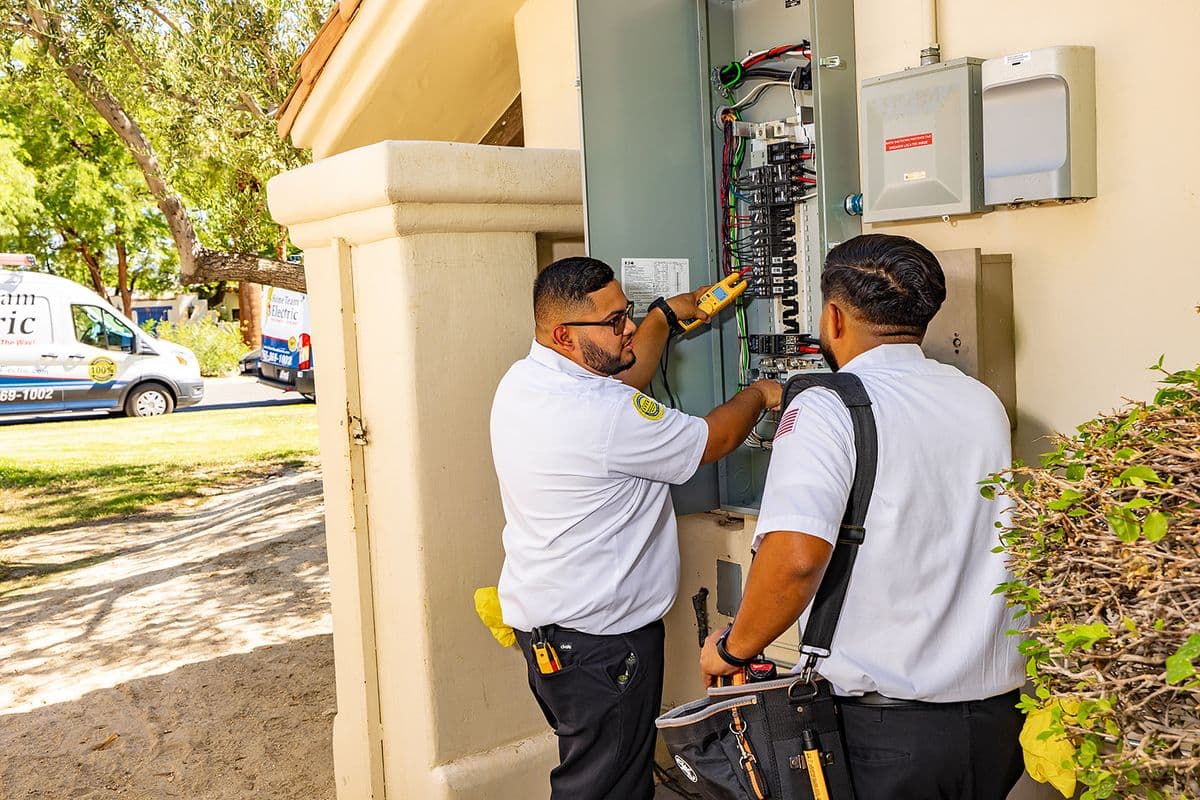
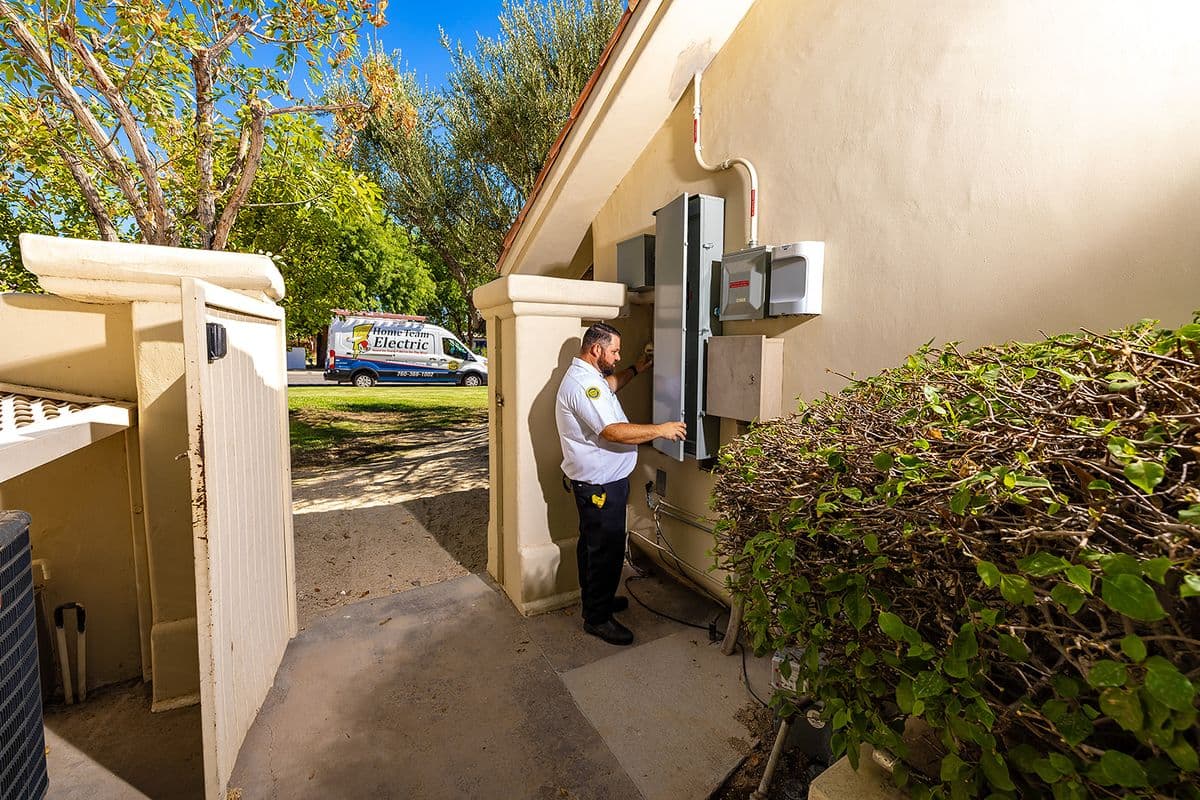
Most people are familiar with a power strip surge protector that is intended to protect all the devices that are plugged into it. A whole-home surge protector works much in the same way as these power strips, except they are rated to withstand large power surges caused by lightning strikes and other external power issues. A whole-home surge protector is directly mounted right inside your home’s main breaker box and provides protection for your entire electrical system.
How Does a Whole-Home Surge Protector Work?
A whole-home surge protector will actively monitor the voltage in your electrical system. If it notes that there’s a dangerous increase in the voltage passing through it, the protector will block the electrical current from flowing throughout your entire electrical system. These devices work by grounding the electrical power.
Grounding simply means the system uses a ground wire that directs the electricity flow away from your electrical current. The ground wire is attached to the grounding rod for your home. Grounding rods sit down in the earth and allow electricity to dissipate instantly. By being able to monitor your electricity and redirect excessive energy in a safe manner, whole-home surge protectors can actively protect your home’s entire electrical system and everything plugged into it.
Why Can’t You Just Rely on Power Strips?
If you already have power strips with built-in surge protectors in your home that you use to power multiple appliances, it’s not uncommon to think that you can just use those. You may think that you don’t need a whole-home surge protector simply because you have these other options.
The reality is that many power strips with surge protectors aren’t rated to handle power surges from events like lightning. Most are simply designed to deal with internal power surges resulting from overloading a circuit or short-cycling of your appliances. All the items that you have plugged into your power strips are still at risk of experiencing damage from these large power surges. This is why getting a whole-home surge protector is necessary.
Types of Surge Protectors
There are three different types of surge protectors sold on the market today. These include Type One, Type Two, and Type Three. It’s important to understand the difference between these three types so that you can choose the appropriate one for your home.
Type One
Type One surge protectors are installed on the utility pole where your main power line connects to the electrical grid. This is considered a whole-home surge protector that monitors energy flow through the wire. It has what is known as a clamping threshold, which is the number of volts it takes for the surge protector to activate and stop power flowing through the line. These are typically designed to handle major power surges.
Type Two
Type Two surge protectors are the devices that get installed at your electrical panel box. These are what most electricians refer to when they talk about whole-home surge protectors. The main difference between Type One and Type Two surge protectors is that Type Two devices are capable of activating at much lower electricity spikes. This allows them to offer far more protection for both minor and major power surges than Type One alone.
Type Three
Type Three is defined as surge protectors that use the power that flows out of an outlet. They’re more commonly referred to as power strip surge protectors. As we’ve already discussed, these surge protectors do not offer a large amount of protection against any major power surges.
How Much Power Can a Surge Protector Handle?
When you first start looking at surge protectors, you’ll notice that they have different ratings depending on the amount of electricity that they can handle. These ratings are given in terms of amps. You want to be able to choose a surge protector that can handle some of the worst power surges that happen.
On average, most lightning strikes will have between 5,000 and 30,000 amps of energy. In some very rare cases, lightning strikes have had more amperage. The highest ever recorded was 100,000 amps. Most residential whole-home surge protectors will go up to a rating of 40,000 amps.
What this means is that it can protect your home’s electrical system from a power surge of up to 40,000 amps. Unfortunately, anything over that amperage will still travel through and affect your electrical system and everything plugged into it. It’s important to note that anything over 40,000 amps is extremely rare, which is one of the biggest reasons that there are no whole-home surge protectors that handle this higher amperage.
Various Benefits of Investing in a Whole-Home Surge Protector
There are many different benefits that you can enjoy when you invest in a whole-home surge protector. First and foremost, you can protect your home’s electrical system from damage. This includes all your electrical wiring, circuits, receptacles, and even light switches.
Second, a whole-home surge protector can’t protect all your appliances and electrical devices. If you just take a moment to look around the room, we’re sure that there are many electronic devices. These include things like computers, televisions, refrigerators, dishwashers, smartphones, lighting fixtures, HVAC systems, and so forth.
Lastly, a surge protector can go a long way in helping to provide you with peace of mind. If you think about the cost of all your appliances and your electronic devices, it can be quite overwhelming. It only takes one major power surge to completely damage these items. What’s much worse is that most home insurance policies don’t cover damage that is a result of a power surge.
Expert Whole-Home Surge Protection Services
Home Team Electric offers expert whole-home surge protection for the entire Palm Springs, CA community. Our helpful electricians can assist with all your electrical, ceiling fan, code compliance, and pool inspection needs. Simply call our friendly staff today to schedule your next service appointment.
Google Search
Get more of our updates on Google
If our work has been helpful, add us as a preferred source: Google will show more of our updates in your Top Stories and AI results. It only changes what you see.
Add as Preferred SourceWritten By

Frank Luersen
leadership
There's a running tradition inside Home Team Electric called Frank Pranks, and it says everything about the kind of culture Frank built. Ask anyone on the team about it and they'll grin before they finish explaining it. Someone sets it up, he walks right into it, the room erupts, and whether he actually sees it coming is still an ongoing debate. Frank could settle it anytime. He hasn't.
California C-10 Electrical Contractor License #879507. Verify it at cslb.ca.gov.
Published September 17, 2024