Even though electrical outlets don’t have any moving parts, they can malfunction for a number of reasons. Whether just one of your lamps won’t turn on or all of the outlets in your room are dead, there are several tried-and-true techniques that you can follow to keep yourself safe during the repair process.
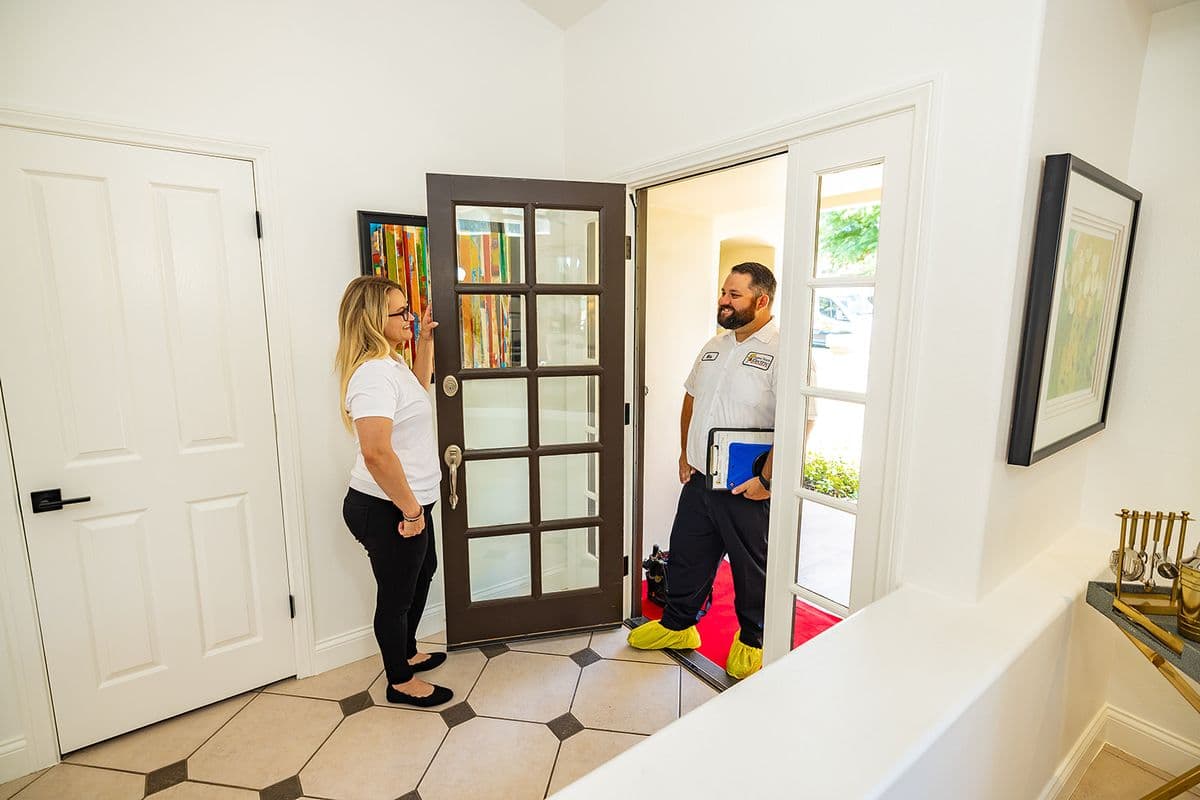
Especially when you have a new home and aren’t familiar with its electrical system, it’s crucial to contact a licensed electrician to stay safer when dealing with electrical outlet repairs. Here are a few common electrical issues that new homeowners may want to address after closing on the property.
Stay Safe by Putting Safety First
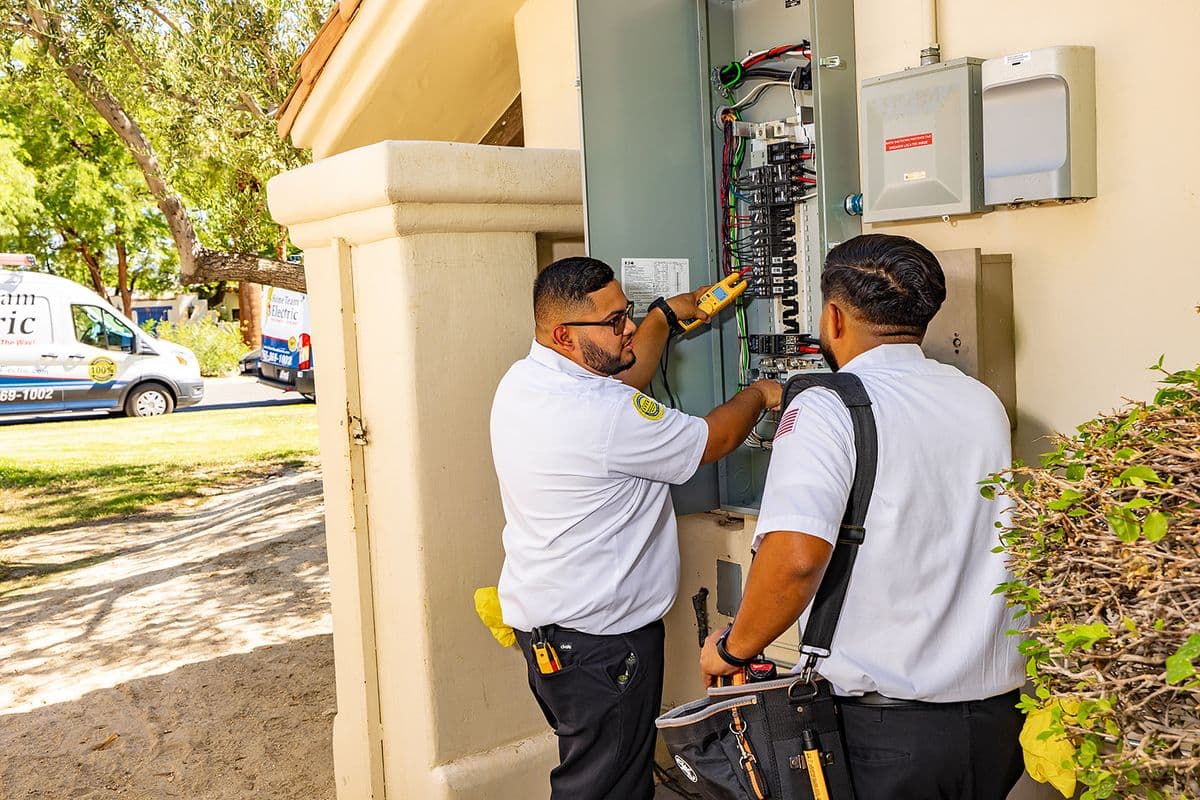
If one outlet or switch is broken in your house, there’s a good chance that the rest of your home still has power. If you were to come into contact with a live wire when exploring an electrical outlet problem, you could get hurt badly. This is why it’s so important to never touch the internal parts of a wall outlet without first verifying that it doesn’t have power. If you aren’t comfortable or familiar with testing outlets for power, it’s best to leave the repair in the hands of a professional electrician.
An Outlet That Has No Power
Electrical outlets that have no power are a major warning sign of bigger electrical issues. To determine the source of a problem like this, you first need to test other outlets near the one with no power to see if they have power. If the issue occurs at just one outlet, there could be several different causes.
In many homes, a switch on the wall controls many outlets in a single room or area. If this is the case in your home, you need to make sure the wall switch is turned on. If it’s not, none of the outlets will receive electricity. Flipping the switch may fix your problem.
The test and reset buttons on the front of GFCI (shock prevention) and AFCI (fire prevention) outlets are telltale signs that the outlet is a ground- or arc-fault circuit interrupter. If the outlet in your home has one of these, you can likely fix the power issue by pushing the reset button. If the outlet isn’t receiving power because of a wiring issue, you’ll need to contact an electrician as soon as possible. Ignoring this type of problem puts your home at risk for an electrical fire.
An Outlet That Has Power On Only One Side
If only one side of the outlet works, it could be that the outlet uses a switched plug. Half-hot outlets, also known as switched plug outlets, are a kind of duplex outlet in which only one of the two plugs is always live. Switched plugs are standard in newer buildings and in spaces that don’t have a central light fixture. A switched plug requires an active wall switch in order to function, meaning that you need to flip the switch to the “on” position.
Incorrect wiring can also result in a single-working-plug outlet. This is particularly true for outlets with backstab wiring because of the loose connections that they provide. A single-working plug might also occur from an electrician mishandling wire nuts. An electrician can easily remove the outlet to tell whether backstabbing or wire nuts are the problem.
Multiple Outlets Not Receiving Power
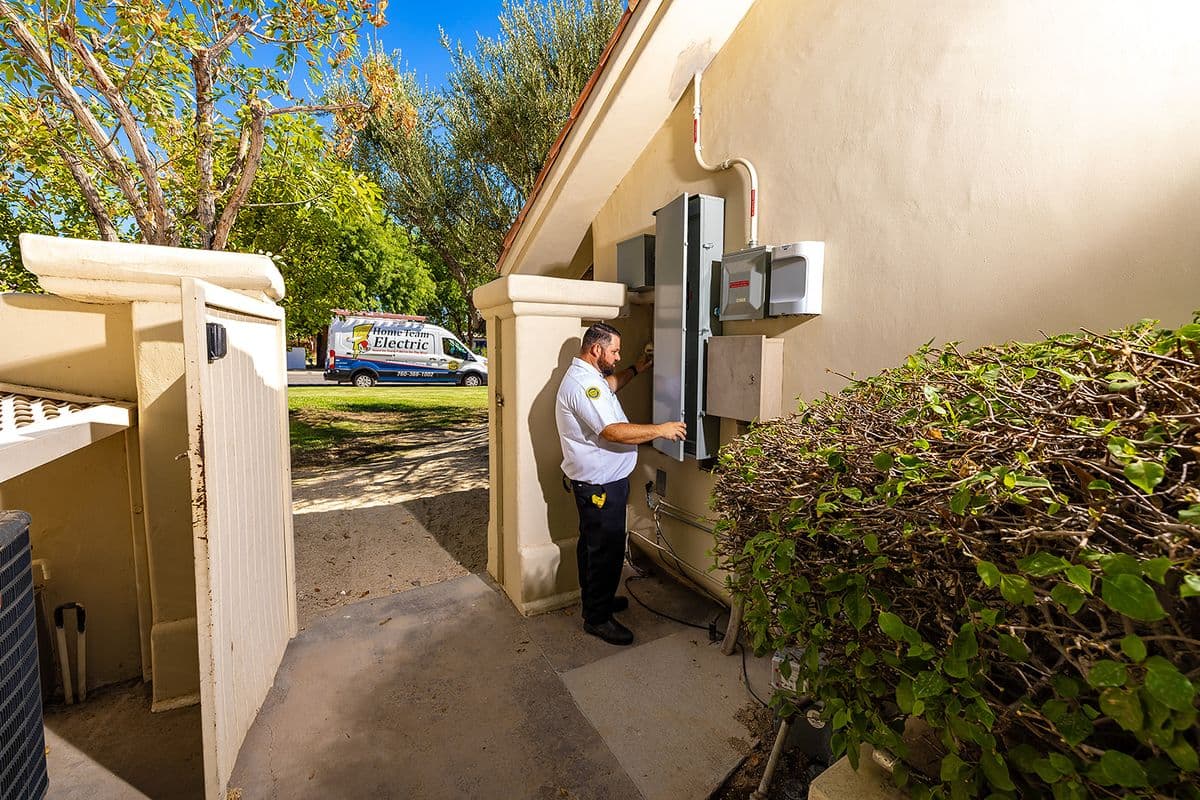
It’s common to discover one outlet not working only to realize that none of the outlets in a room or area are working. When this happens, there’s a good chance that something is wrong with the circuit breaker that the outlets connect to. You can easily tell if this is the problem by checking the breaker box for tripped switches.
You may also need to hit the reset button on any GFCI and AFCI circuits connected to the outlets. When doing this, keep in mind that pushing the reset button on one outlet may reset multiple other outlets on the same circuit, fixing the no-power issue.
A Tripped Circuit Breaker
If you fix a tripped breaker but it keeps tripping, there’s a chance that you’re overloading the circuit. This commonly happens when you plug in too many appliances at once. Try turning the breaker back on after unplugging a few items from the circuit to avoid a repeat power failure. If this fixes your problem, it means that you’ll have to be careful with the number of devices that you plug in at the same time. To increase the number of items that you can plug in, you’ll need to have an electrician rewire the plugs so that they can handle more power at once.
If the GFCI or AFCI breaker switch keeps tripping, a hot wire in the circuit might be touching the ground, or there could be a loose wire or some other arcing scenario. Even though it may be safe for you to examine the wiring of a single outlet if you have a lot of experience with electrical systems, a professional electrician can swiftly, safely, and accurately identify the source of the issue and fix it.
If you think the device you’re trying to plug in keeps tripping the breaker, try plugging it into an outlet with higher amperage, but don’t exchange out a 15-amp circuit breaker for a 20-amp one or any other way around. If you do this, your whole home becomes a potential fire threat. If plugging the device into an outlet with a higher amperage fixes the problem, you know that the device simply needs more power. However, if it doesn’t fix the issue, it may indicate that the device itself has something wrong with it.
Loose Plugs or Outlets
When you connect an appliance to an outlet, the prongs engage with metal conductors that then provide electricity to the device. As the contacts wear down, anything that you plug into the outlet will feel loose. Since all electrical outlets endure wear and tear over time, their wiring will eventually become loose and require the attention of an electrician.
Bending the prongs of a plug to force it into a damaged socket can cause significant injury. The prongs may become fragile, crack, and eventually shatter or come loose, creating a potentially hazardous scenario. The easiest and safest way to fix a loose outlet is to have an electrician replace it.
If you have repeatedly plugged and unplugged an electrical gadget, the prongs will eventually wear down. And while you might find it simple to interchange the wires and plugs on many appliances, doing so is incredibly dangerous. Only a trained professional should fix worn-out prongs on power cords.
Looking for a licensed electrician in Palm Springs? Our expert electricians have the necessary education and certification to work on electrical systems safely. By effectively diagnosing problems and implementing solutions, we guarantee adherence to regional regulations. Our services give you peace of mind and make sure that your home’s electrical system is safe. In addition to repairing outlets, we also specialize in ceiling fan maintenance, electrical panel upgrades, indoor and outdoor lighting, and EV charging stations. Contact Home Team Electric now if you need help repairing an outlet.
Google Search
Get more of our updates on Google
If our work has been helpful, add us as a preferred source: Google will show more of our updates in your Top Stories and AI results. It only changes what you see.
Add as Preferred SourceWritten By

Frank Luersen
leadership
There's a running tradition inside Home Team Electric called Frank Pranks, and it says everything about the kind of culture Frank built. Ask anyone on the team about it and they'll grin before they finish explaining it. Someone sets it up, he walks right into it, the room erupts, and whether he actually sees it coming is still an ongoing debate. Frank could settle it anytime. He hasn't.
California C-10 Electrical Contractor License #879507. Verify it at cslb.ca.gov.
Published November 1, 2023