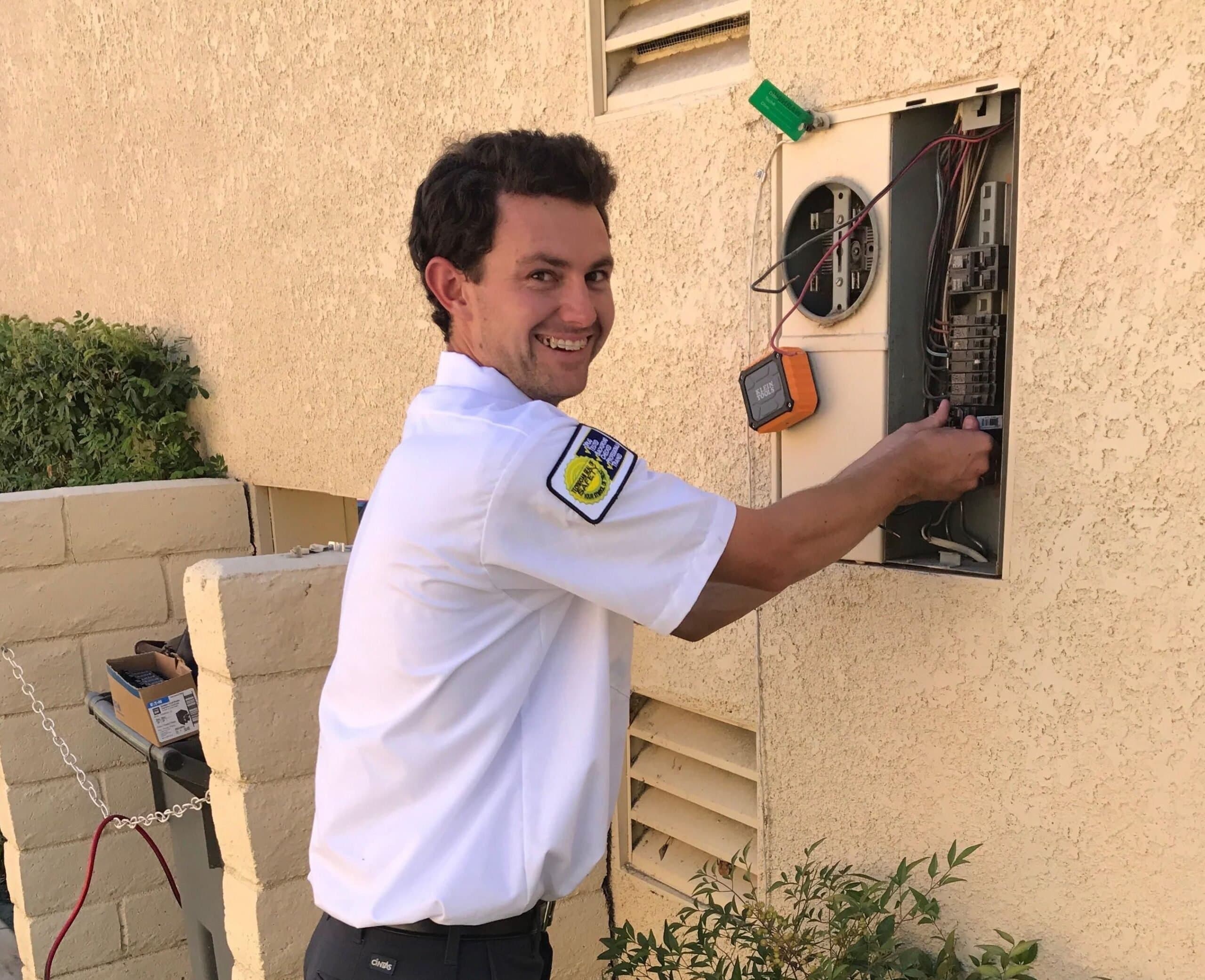
At the heart of your home’s electrical system is an electrical breaker, which serves as a defensive guard that helps protect the system from overloads and short circuits. However, breakers can go bad for various reasons. Not only is this preventable in many cases, but it can be quite dangerous when left unchecked. If you suspect your breaker may be malfunctioning or it’s been a while since you’ve had it looked at by a professional, here are some of the reasons they can go bad.
Mechanical Issues
Sometimes, even the most reliable components and both new and old electrical breakers can fall victim to unforeseen mechanical issues. Inside your breaker, mechanical problems can arise due to factors like misalignment, improper calibration, or manufacturing defects. These problems can interfere with the breaker’s ability to perform its essential duty of cutting off power when necessary.
Also, whenever there are mechanical issues, then electrical tripping can occur, which is when the breaker automatically shuts off the electrical circuit. Continual tripping puts additional stress on the breaker’s internal mechanisms, eventually leading to failure. This is why it’s crucial to have your breaker inspected if you are noticing any signs of issues, especially tripping. These types of problems can sometimes snowball and cause more costly issues as more components become affected over time.
Strenuous Demands
While today’s electrical breakers are designed to handle strenuous tasks and modern appliances, they still have their limits. Excessive demands on the electrical breaker, such as running multiple appliances simultaneously, can push the breaker beyond its capacity. This can cause excessive heat and, over time, it can lead to premature wear and tear.
As previously mentioned, continual tripping can be a problem for your electrical breaker, and excessive demands can lead to frequent tripping and breaker failure as well. To prevent this, try to spread out energy-intensive activities throughout the day or night, so they’re not all occurring at once. For example, instead of running your dishwasher during the day when you might be running your AC, try to save this activity for a time when you’re not running your AC.
Damaged Wiring
Think of electrical wiring as the nervous system of your electrical breaker. If this nervous system becomes compromised due to damaged or frayed wires, it can suffer as a result. It’s quite common for faulty wiring to lead to short circuits, overloads, and even dangerous electrical fires. Poor installation or exposure to physical damage, like rodents chewing on wires, are issues we commonly see when inspecting poorly maintained breaker units and the inner areas of electrical panels.
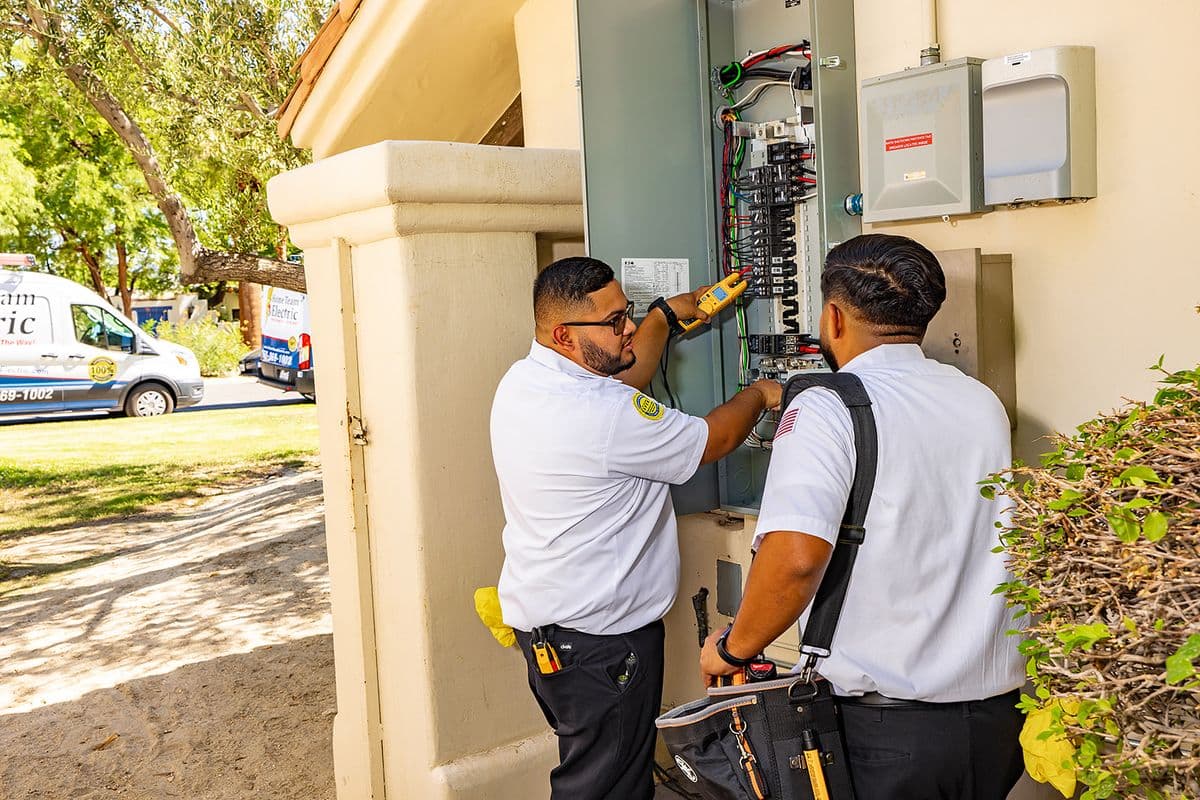
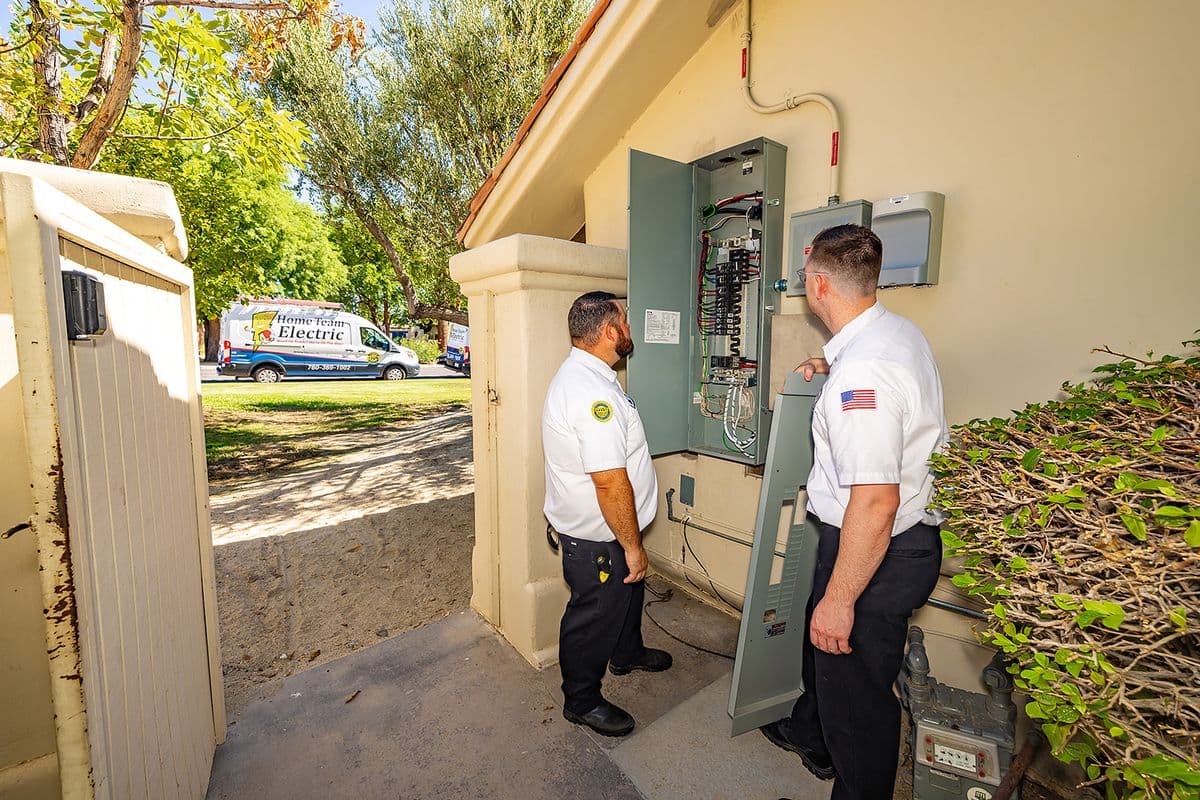
Even if your breaker isn’t exhibiting any issues right now, it’s always a good idea to have its wiring checked periodically. Our electricians can easily recognize signs of fraying, exposed wires, or burn marks near the breaker. In many cases, this is a simple fix that can help prevent more serious issues later down the line.
Aging and Wear
Just like any other mechanical or electrical component, your electrical breaker has a lifespan. As it ages, wear and tear gradually take their toll on its performance and reliability. Over time, the contacts within the breaker can become eroded, leading to intermittent tripping or failure to trip during dangerous situations.
While a well-maintained breaker should normally last at least a few decades or more, the cumulative effects of aging are inevitable. Instead of waiting until this starts to occur, you can extend your breaker’s lifespan by keeping a close eye on its performance and having it checked with regular maintenance visits.
Temperature Extremes
Although your electrical breaker is most likely inside a panel, this doesn’t fully protect it from extreme temperatures. While this is more commonly an issue when electrical panels are located outside, we’ve seen these types of issues with indoor panels and breakers as well. High temperatures can cause thermal expansion, increasing the risk of loose connections. High temperatures can also damage the breaker’s insulation.
Freezing temperatures can be just as bad for your breaker, as it can make it more brittle and prone to mechanical failures. To reduce the impact of temperature extremes, electrical panels should normally be installed in a climate-controlled area away from direct sunlight and drafts.
Humidity and Moisture
Water and electricity are an infamous duo, and your electrical breaker is no exception when it comes to this. Excessive humidity or moisture in the environment can infiltrate your electrical breaker, leading to a buildup of corrosion and rust inside. This corrosion weakens the breaker’s ability to function correctly and increases the likelihood of malfunctions or tripping. Preventing moisture infiltration is therefore an absolute must if you want to protect your breaker from damage.
Your breaker and panel should be installed in a dry location, away from sources of water or dampness. Dehumidifiers can sometimes help to maintain optimal humidity levels, but this is no replacement for a proper inspection, especially if you suspect that your breaker may be experiencing exposure to the elements.
Voltage Fluctuations
Voltage fluctuations are variations in the electrical supply. These kinds of fluctuations can occur for various reasons, such as sudden changes in demand, electrical grid issues, or external factors like lightning storms. Voltage fluctuations can have a significant impact on the performance and lifespan of electrical breakers.
Surges, which are sudden increases in voltage, can result from lightning strikes or power grid switching. Voltage drops, on the other hand, are sudden drops in voltage usage that can cause the breaker to trip unnecessarily or fail to operate correctly. Surge protectors and voltage stabilizers are often used to prevent these types of issues, though these should always be installed by a professional after you’ve had your breaker, panel, and energy usage levels assessed.
Loose Connections
Then, there’s the issue of loose connections, which we often see for various reasons. Over time, the electrical connections within a breaker or electrical panel can become loose or corroded, which can lead to heat buildup. Loose connections not only reduce the breaker’s efficiency in detecting and responding to overloads and short circuits, but they also create a potential fire hazard.
In many cases, loose connections may not be obvious until there’s an issue. By then, the result can often be costly and dangerous. When our electricians service breakers, we always make sure that all connections are tight and that there’s a secure electrical pathway, which can both minimize the risk of failure and improve safety.
Protect Your Home Today!
Mechanical issues, excessive demands, damaged wiring, temperature extremes, and other issues can all have an impact on the performance of your electrical breaker. To safeguard your home and prevent the risk of electrical fires, reach out to us today at Home Team Electric, where we proudly serve the Coachella Valley, Morongo Basin, and surrounding areas. We offer maintenance and replacement services for electrical breakers as well as electrical panel upgrades, high-quality surge protectors, and electrical code compliance among our many services.
Google Search
Get more of our updates on Google
If our work has been helpful, add us as a preferred source: Google will show more of our updates in your Top Stories and AI results. It only changes what you see.
Add as Preferred SourceWritten By

Frank Luersen
leadership
There's a running tradition inside Home Team Electric called Frank Pranks, and it says everything about the kind of culture Frank built. Ask anyone on the team about it and they'll grin before they finish explaining it. Someone sets it up, he walks right into it, the room erupts, and whether he actually sees it coming is still an ongoing debate. Frank could settle it anytime. He hasn't.
California C-10 Electrical Contractor License #879507. Verify it at cslb.ca.gov.
Published August 2, 2023