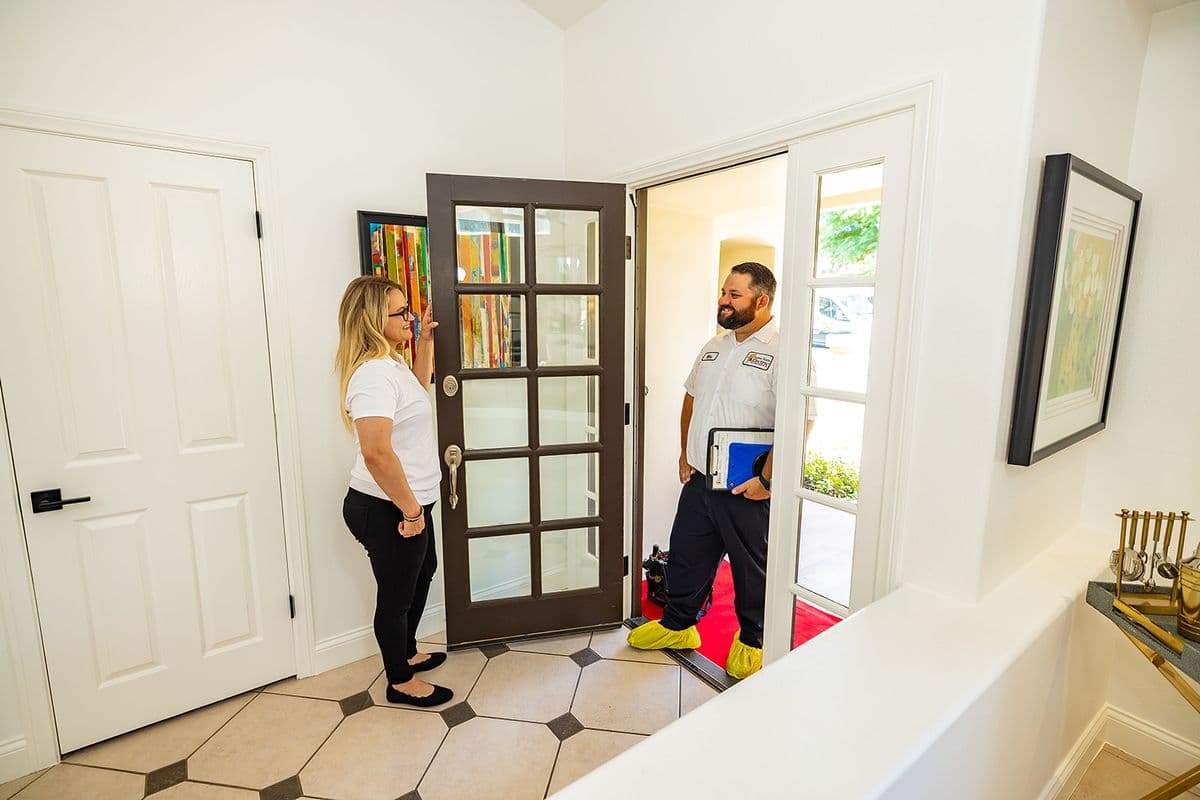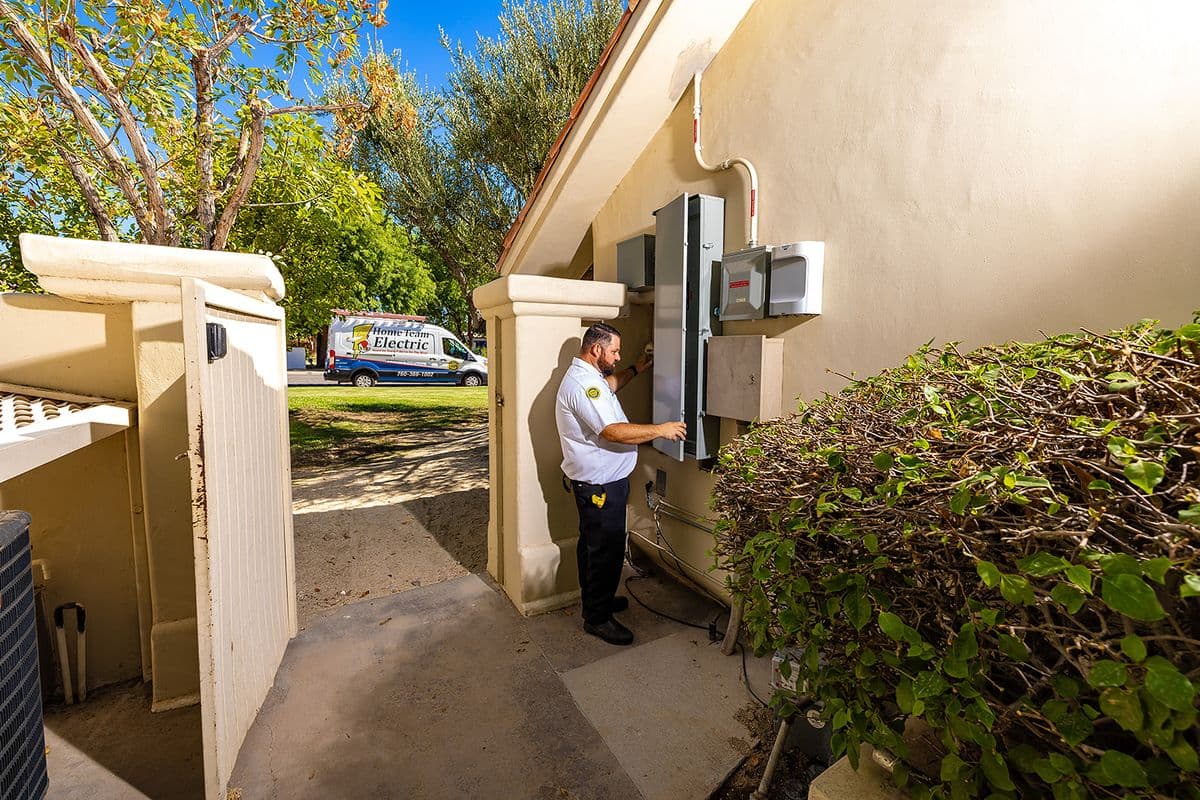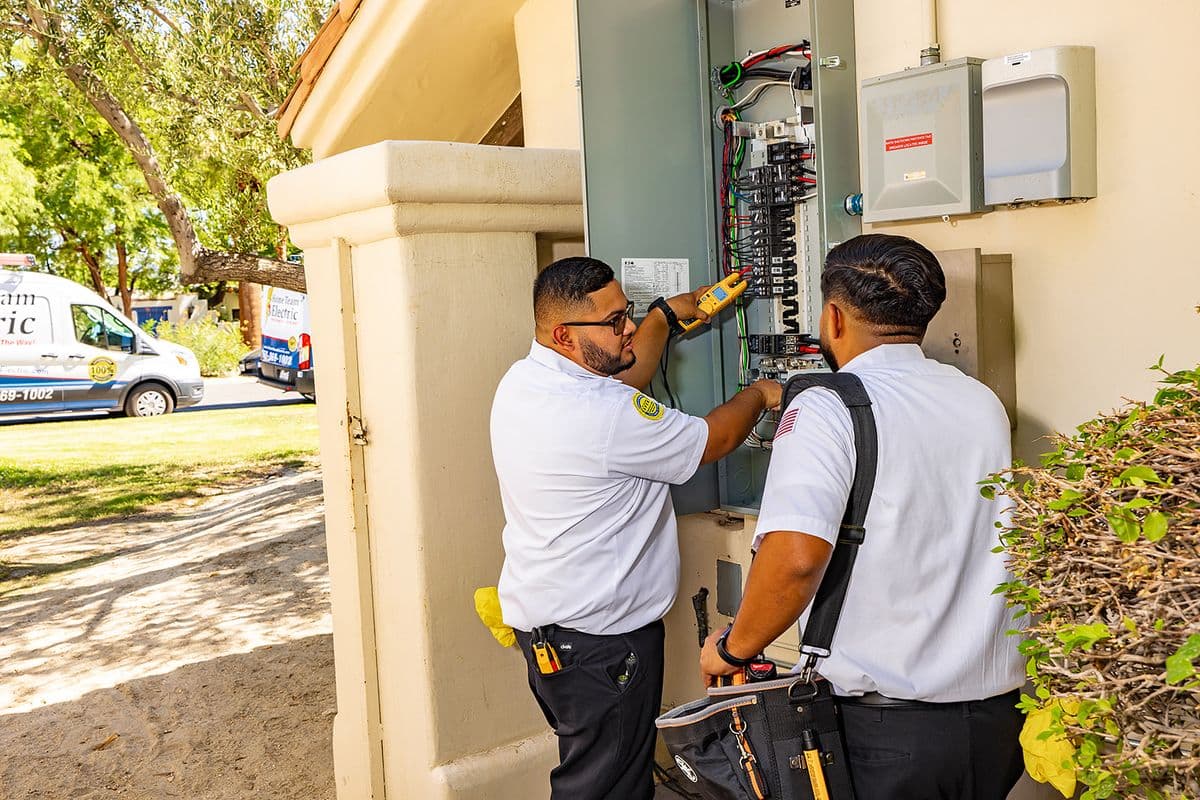
Did you know that May is National Electrical Safety Month? This special event is part of an ongoing campaign to help people avoid electrical accidents. Whether you’re concerned about getting shocked or worried about electrical housefires, now is a great chance to assess your electrical safety. Follow these great tips to make sure you and your home are safe from electrical disasters.
Don’t Overload Your Outlets
With so many different electrical devices available in modern times, it’s common for homeowners to end up with too many devices for their outlets. If this happens to you, avoid stacking up a bunch of extension cords and power strips in one spot. Though this might work temporarily, it’s a big fire hazard. Instead, you’re better off getting an electrician to install new outlets. This lets you power all your devices without overloading an outlet.
Avoid DIY Electrical Repairs
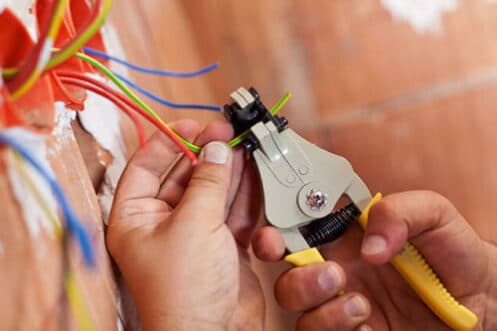
Many homeowners assume that things like installing a light are a simple matter of connecting some random wires and seeing whether it works. However, DIY electrical work is one of the most common sources of electrical accidents. There is a reason that electricians have to have years of training before they can start working independently. To do things safely, you need to understand a lot of small details like identifying the right wires and using the proper connectors. For best results, you should hire a professional any time you plan on changing your home’s electrical system.
Check Electrical Cords for Damage and Replace Them Promptly
Damaged electrical cords are a common reason for house fires or electrocution. Any time a cord’s protective coating is damaged, the electrical current inside can harm you or your belongings. Unfortunately, many damaged cords are overlooked. It’s a good idea to take some time each May to examine all the cords in your house. Look for any fraying, cracking, or crumbling that can signify damage. If you notice any issues, make sure you promptly replace the cord with a compatible cord.
Read and Follow All Appliance Instruction Manuals
Any time you are adding an electrical appliance to your home, you will need to make sure that you use it correctly. Mistakes like assembling it improperly or not following user guidelines can cause shocks and other issues. To avoid this, make time to check the manual before you start using an item. Read all safety instructions, and make sure you follow them thoroughly.
Make Sure Electricity and Water Stay Away From Each Other
Water and electricity are a dangerous mix. Since water conducts electricity, it can easily transfer electricity away from your wiring. Most homeowners know not to do things like use a hairdryer in a bathtub. However, there are a lot of surprising ways for water and electrical items to get mixed up. If you have an outlet near the sink, a splash of water can cause problems.
Likewise, things, like watered plant pots or fish aquariums, can easily send water onto nearby appliances. Outside, electrical tools can come into contact with puddles. To avoid these sorts of issues, you need to be vigilant and make an effort to keep all water away from your electrical system.
Get Electrical Issues Checked As Soon As Possible
Have you noticed issues like flickering lights, breakers that routinely blow, or outlets that mysteriously don’t work? Any time you have an electrical problem, it’s important to get it checked promptly. Though something like a single broken outlet might not inconvenience you, it means that something is going wrong behind the scenes. You could have loose wiring that might start a fire or cause other dangers. Therefore, it’s essential to have a professional look at the problem and identify the underlying cause.
Make Sure Your Appliances Have Appropriate Ventilation
Take the time to walk around your house to make sure that all your appliances have at least a few inches of space to ventilate heat. Appliances that are boxed away in tight corners can often end up overheating which can lead to short-circuiting and sparking. Therefore, it’s important to make sure that your appliances have proper clearance. You can often check with the manufacturer for more details, but most will need at least an inch or two of space free along their backs or sides.
Avoid Using Inappropriately Sized Light Bulbs
One of the most common issues we notice is homeowners picking the wrong light bulb type for their fixtures. All fixtures have a certain wattage, and you aren’t supposed to use bulbs that exceed that wattage. Going over watt limits is called overlamping, and it can cause the socket around the bulb to melt. This leads to a high risk of fire, especially if the insulation around the wires gets damaged. Always try to check your fixtures.
Pick the right wattage. If the fixture doesn’t have any information, choose a bulb of less than 25 watts for ceiling fixtures or 60 watts for lamps. You can also pick LED bulbs which tend to have lower power usage than fluorescent bulbs.
Unplug Appliances That You Don’t Use Often
Any electrical appliance becomes significantly safer when it’s unplugged. Without power, you don’t risk shocks, overheating, fires, or other problems. Therefore, it’s a good idea to unplug appliances you don’t use. By doing this, you make sure that you don’t overlook electrical problems occurring around unused devices. This safety tip is also good for your wallet. Plugged-in appliances still drain minimal amounts of power even when turned off, so unplugging them saves you money on your electric bill.
Clean Your Exhaust Fans Regularly
Once a year, take the time to clean exhaust fans in every relevant appliance. Exhaust fans often exist on refrigerators, computers, ovens, and other similarly-large appliances. Over time, these fans get coated in dust that impairs their ability to function. Cleaning your fans is a great way to prevent overheating and reduce your risk of fire hazards. Just taking a soft microfiber cloth and gently removing dust helps all your appliances work more efficiently and safely.
Make Sure You Have GFCI (Shock Prevention) Outlets in Kitchens and Bathrooms
Ground-fault circuit interrupter (GFCI) outlets are one of the most useful ways to protect yourself from electrocution. These outlets are designed to automatically cut power if the outlet detects any interruptions in electrical current. Almost all modern homes have these outlets in kitchens and bathrooms. However, if your house is older, it’s definitely worthwhile to update your house with GFCI outlets anywhere near water. Experts estimate that they save hundreds of people from fatal electrocution each year.
We hope these tips will help you avoid some common electrical dangers. For more in-depth insights into your home’s electrical system, turn to Home Team Electric of Palm Springs, CA. We help people throughout the Coachella Valley and Morongo Basin with their electrical systems. In addition to offering safety tips, our team can also help you with repairs, maintenance, and installation. We also offer EV charging station solutions. If you would like to schedule a service appointment with Home Team Electric, give our team a call.
Google Search
Get more of our updates on Google
If our work has been helpful, add us as a preferred source: Google will show more of our updates in your Top Stories and AI results. It only changes what you see.
Add as Preferred SourceWritten By

Frank Luersen
leadership
There's a running tradition inside Home Team Electric called Frank Pranks, and it says everything about the kind of culture Frank built. Ask anyone on the team about it and they'll grin before they finish explaining it. Someone sets it up, he walks right into it, the room erupts, and whether he actually sees it coming is still an ongoing debate. Frank could settle it anytime. He hasn't.
California C-10 Electrical Contractor License #879507. Verify at cslb.ca.gov
Published May 4, 2023