A properly functioning electrical system is crucial for your safety, comfort, and overall home efficiency. Unfortunately, many new homeowners make common mistakes that can lead to wasted energy, electrical problems, and safety hazards. In this blog post, we’ll discuss eight mistakes that new homeowners often make with their electrical systems and provide tips on how to avoid them.
1. Neglect Electrical Inspections
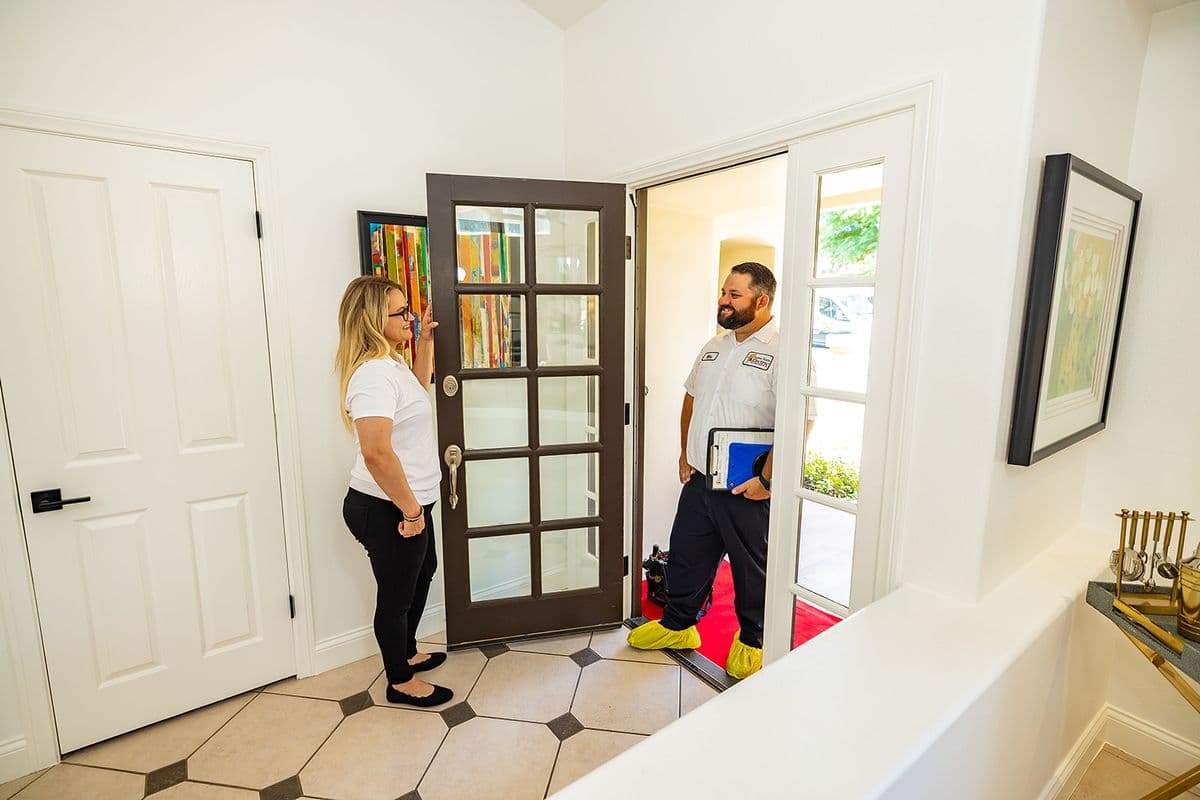
One of the most common mistakes new homeowners make is neglecting to have a thorough electrical inspection on their new property. Before moving in, hiring a qualified electrician to inspect the electrical system for any potential issues, such as outdated wiring, faulty outlets, or inadequate grounding, is essential. Ignoring this step could lead to safety hazards, expensive repairs, and inflated electric bills.
2. Overload Circuits
In the excitement of setting up their new home, some new homeowners tend to overload circuits by plugging too many devices into a single outlet or power strip. Overloading circuits can trip circuit breakers, cause overheating, and increase the risk of electrical fires. To avoid this mistake, distribute your devices across multiple outlets and consider hiring an electrician to install additional circuits if needed.
3. Improperly Place Outlets and Fixtures
Another mistake is placing furniture or heavy objects in front of outlets or obstructing the path to electrical panels. Not only does this make it inconvenient to access outlets, but it can also pose a fire hazard if cords are pinched or damaged. Additionally, improperly placed light fixtures or ceiling fans can create uneven lighting or airflow in your home. Before arranging your furniture or installing fixtures, make sure they don’t interfere with your electrical system’s functionality.
4. Ignore Warning Signs
New homeowners often overlook warning signs of potential electrical problems, such as flickering lights, buzzing sounds, or frequently tripped circuit breakers. Ignoring them could lead to more extensive damage or even electrical fires. If you notice any unusual behavior in your electrical system, don’t hesitate to consult a professional electrician.
5. DIY Electrical Work
While it might be tempting to tackle electrical projects on your own, DIY electrical work is a significant mistake that can have serious consequences. Working with electricity without the proper knowledge and training can lead to electrocution, fires, and other hazards. Always hire a licensed electrician for any electrical repairs, installations, or upgrades to make sure your home and family stay safe.
6. Neglect Ground Fault Circuit Interrupters and Arc Fault Circuit …
GFCIs (shock prevention) and AFCIs (fire prevention) are crucial safety devices that protect you from electric shocks and fires. GFCIs detect imbalances in electrical currents and quickly shut off power to prevent electrocution. AFCIs, on the other hand, detect arc faults caused by damaged wires and can help prevent electrical fires. New homeowners often overlook these devices or fail to test them regularly. Make sure your home is equipped with GFCIs in areas prone to moisture, such as kitchens and bathrooms, and AFCIs in bedrooms and living areas.
7. Forget Regular Maintenance
Like any other system in your home, your electrical system requires regular maintenance to make sure it stays safe and lasts. New homeowners often make the mistake of neglecting this aspect, assuming that once everything is set up, they’re good to go. However, wires can become frayed over time, connections can loosen, and components can wear out. Schedule routine inspections by a qualified electrician to identify and address potential issues before they escalate.
8. Disregard Energy Efficiency
A mistake many new homeowners make is disregarding energy efficiency. With the rising cost of energy and the increasing awareness of environmental concerns, energy efficiency is a critical aspect to consider. Failing to implement energy-efficient practices can lead to unnecessarily high energy bills and a larger carbon footprint.
Here are a few things you can do to improve your home’s energy efficiency:
- Install smart thermostats
- Upgrade appliances
- Unplug electronics when not in use
Taking Care of Your Home’s Electrical System
A well-maintained electrical system keeps your home safe and efficient with an uninterrupted power supply. This article provides a comprehensive guide to help new homeowners care for their home’s electrical system.
Study the Basics
Before delving into electrical system maintenance, it’s important to understand how your home’s electrical system works. Familiarize yourself with the main components, including the circuit breaker panel or fuse box, outlets, switches, and wiring. Learning how electricity flows and where it’s distributed will empower you to make informed decisions about your electrical system.
Schedule Regular Inspections
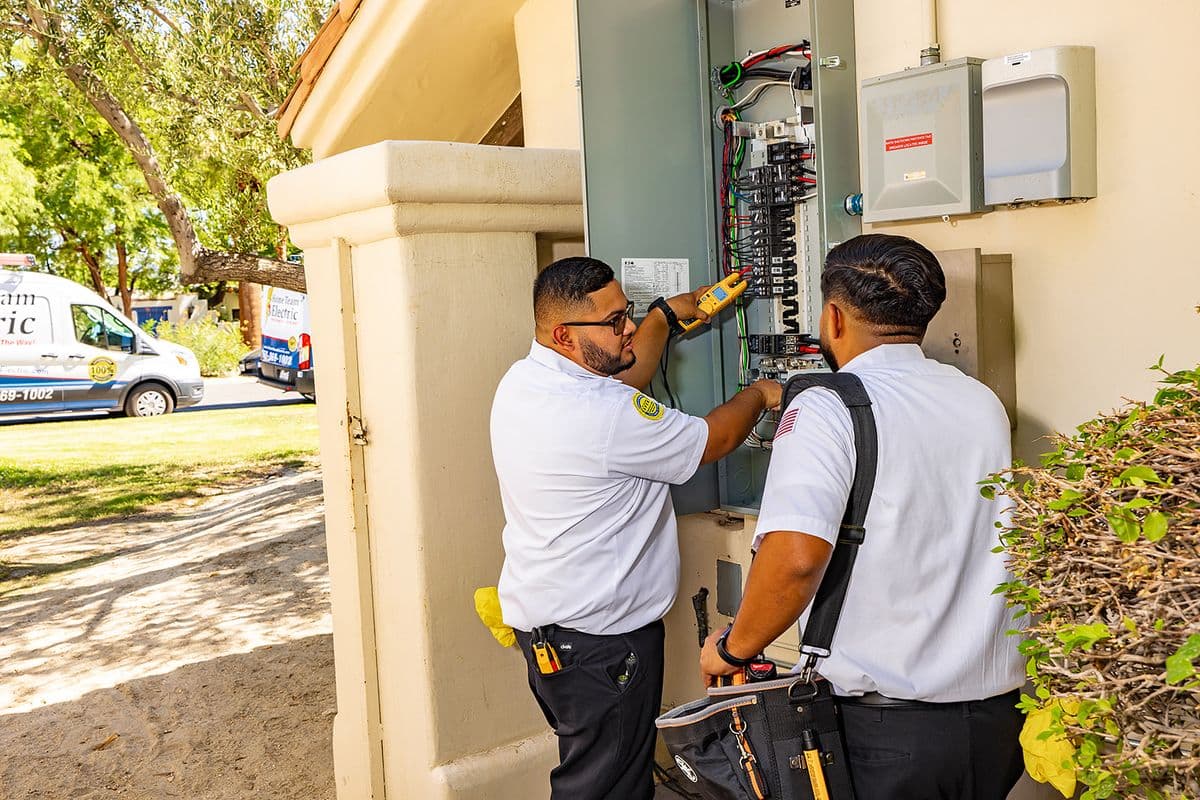
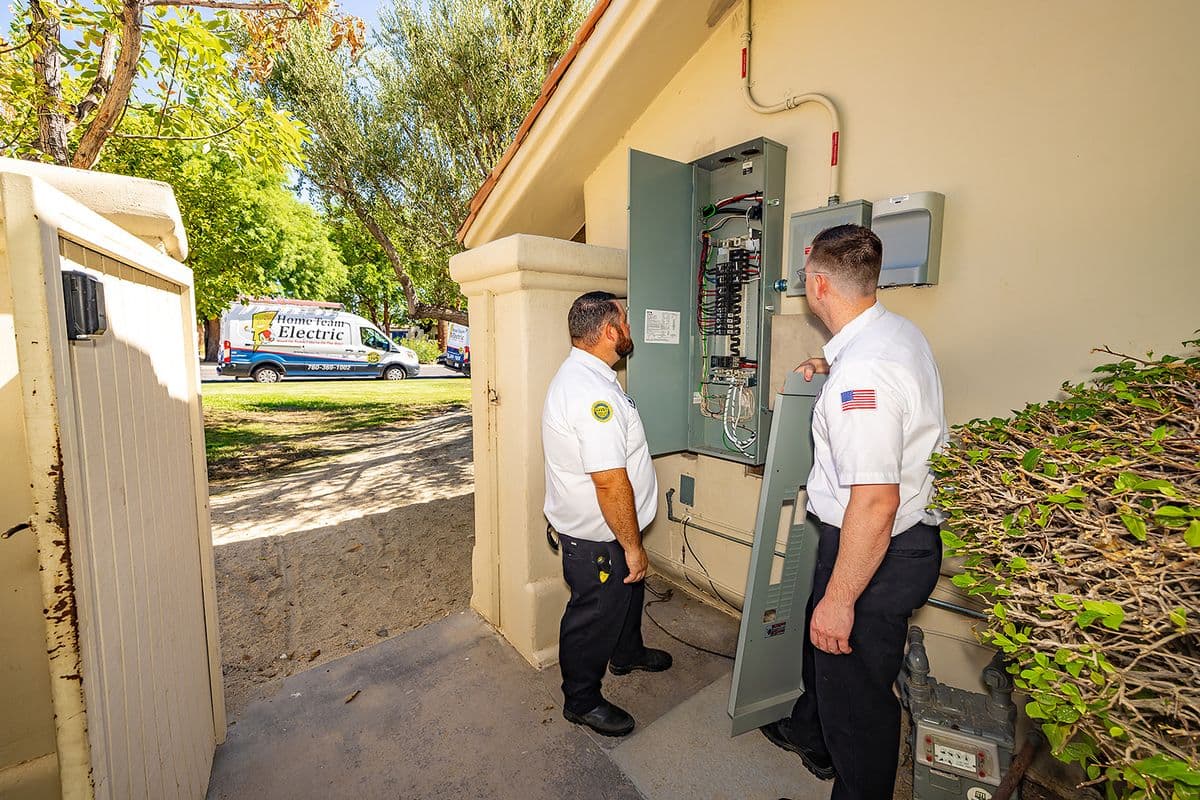
Regular electrical inspections by a licensed electrician are essential to identify potential issues and make sure everything is in working order. It’s recommended to have a thorough inspection every few years or whenever you suspect a problem. An electrician can check for outdated wiring, overloaded circuits, and other safety concerns that might not be immediately noticeable.
Test Smoke Detectors and Carbon Monoxide Alarms
Smoke detectors and carbon monoxide alarms are critical safety devices in any home. Test these devices monthly and replace the batteries at least once a year. Properly functioning alarms can save lives in case of an emergency.
Upgrade Outdated Wiring and Outlets
If your home has outdated wiring, such as knob-and-tube or aluminum wiring, consider upgrading to modern copper wiring. Old wiring can pose safety risks and may not be able to handle the demands of modern electrical appliances.
Another risk in older homes is two-prong plugs. This type of outlet does not have a ground wire, which poses safety risks. The best option is to install or extend the grounding wire and install three-pronged outlets. Another option is to change two-prong outlets to Ground Fault Circuit Interrupter (GFCI) outlets. While still not grounded, these outlets can disrupt the electricity during a surge.
Invest in Surge Protection
Investing in surge protectors for sensitive electronic devices can safeguard them from power surges caused by lightning or other electrical disturbances. Whole Home surge protectors can also be installed at your electrical panel to provide comprehensive protection.
Conduct Outdoor Electrical Maintenance
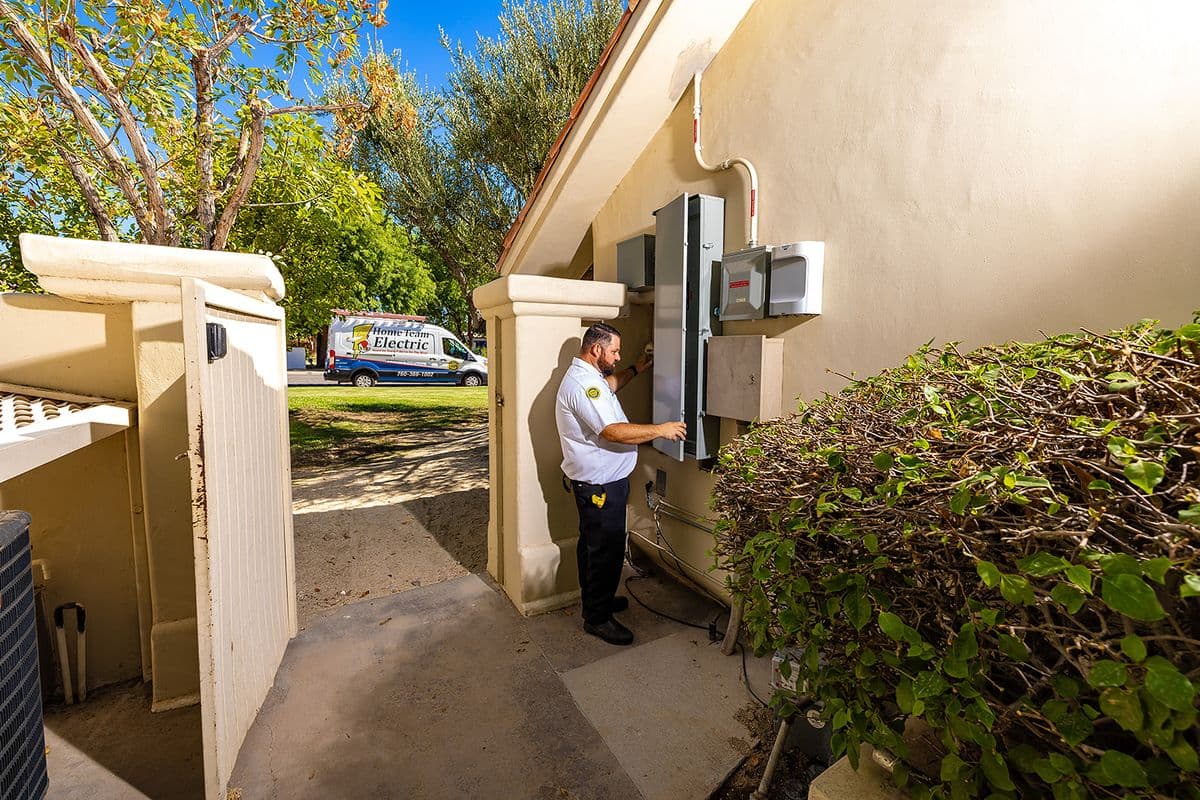
If your new home has outdoor electrical components, such as lighting, outlets, or a pool pump, make sure they are weatherproof and well-maintained. Regularly check for damaged wires, exposed cables, and other potential hazards.
Use Energy-Efficient Lighting
Consider switching to energy-efficient LED bulbs, which consume less electricity and have a longer lifespan than traditional incandescent bulbs. This reduces your energy bills and puts less strain on your electrical system.
Consult With a Professional Electrician Today!
Your home’s electrical system is a vital component that should never be taken lightly. By avoiding these common mistakes, new homeowners can make sure their electrical systems stay safe, efficient, and functional for years to come. Remember to prioritize safety, invest in professional help when needed, and stay vigilant for any signs of trouble.
Contact Home Team Electric in Palm Springs, CA today to schedule an onsite inspection, repair any loose or exposed wiring, or perform routine maintenance. We offer a wide range of electrical services, including indoor and outdoor lighting services, ceiling fan installation, electric panel upgrades, and EV charging station installation.
Related: Electrician in Rancho Mirage, CA
Google Search
Get more of our updates on Google
If our work has been helpful, add us as a preferred source: Google will show more of our updates in your Top Stories and AI results. It only changes what you see.
Add as Preferred SourceWritten By

Frank Luersen
leadership
There's a running tradition inside Home Team Electric called Frank Pranks, and it says everything about the kind of culture Frank built. Ask anyone on the team about it and they'll grin before they finish explaining it. Someone sets it up, he walks right into it, the room erupts, and whether he actually sees it coming is still an ongoing debate. Frank could settle it anytime. He hasn't.
California C-10 Electrical Contractor License #879507. Verify at cslb.ca.gov
Published September 13, 2023