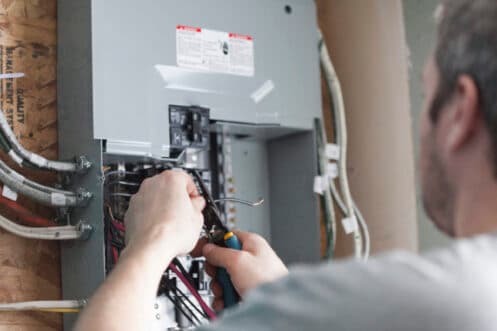
Electricity is a staple of most modern American homes. If you begin to experience problems with your electrical system, it may feel tempting to conduct electrical work on your own.
After all, what is the harm in saving a few dollars by pulling out the toolbox and adjusting some wires? Unfortunately, performing electrical projects by yourself can increase the risk of safety hazards, and it can potentially cause permanent damage to your home.
In some instances, conducting electrical work without a professional license or permit may even be illegal. A look at the potential pitfalls of DIY projects can provide insight on why it is always best to get a qualified electrician to help keep your system in excellent condition.
What Are the Dangers of DIY Electrical Work?
Even if a homeowner is an enthusiastic handyman, electrical systems contain multifaceted components that make it safer to always contact a professional. Dangers of attempting to dismantle or repair electrical systems yourself include lack of professional training and increased risk of electrocution or home fires. You may also inadvertently interfere with circuits or active power lines, and some jurisdictions have strict regulations against unlicensed electrical work.
Lack of Professional Training and Experience
Depending on the location, becoming a licensed electrician requires months of courses and on-the-job training. In fact, it is not uncommon for electricians to receive anywhere from two to four years of education to learn their trade. Many states also require continuing education to maintain a license and certifications. This training allows electricians to understand the technology and terminology involved in electrical systems.
Because electricity is often invisible and inaudible, having all of the right technical knowledge is crucial to prevent injury to home occupants or irreparable damage to major appliances. While homeowners may feel tempted to pore over a book or watch a few hours of YouTube tutorials, it is far more effective to let an electrician put their years of training to work and efficiently perform any projects in your home.
Increased Risk of Electrical Shock or Electrocution
Mishandling electrical components increases the risk of shock or electrocution. In fact, a home’s 110-volt outlet can result in serious injuries or death due to mismanagement. According to the National Institutes of Health (NIH), at least 30,000 non-fatal shock incidents occur among Americans each year. Approximately 1,000 people die each year from accidental electrical injuries.
Since the human body contains a great deal of water and makes a good conductor, a person who comes in contact with an energized power source can easily end up with an electrical current that passes through the body. Home occupants who encounter a household current that is 15.0 amps or higher can suffer cardiac arrest from electrocution or impaired breathing and rapid muscle contractions resulting from electrical shock. Rather than take the chance, you should hire an electrician for home projects.
Increased Risk of Electrical Fires
According to the Electrical Safety Foundation (ESF), home electrical fires represent an estimated 51,000 fires that occur each year. These fires have resulted in nearly 500 deaths, over 1,400 injuries, and approximately $1.3 billion in annual property damage. In fact, electrical distribution systems are the third-leading source of home structure fires and produce the most destructive property damage. Unfortunately, even the simplest DIY errors can cause a fire. Common mistakes that can engulf your house in flames include the following:
- Wrong fuse size or amperage
- Incorrect bulb wattage
- Incorrect gauge of cords or connections
- Poorly installed outlets or switches
Even components that may seem as straightforward as wiring can put your family at serious risk if not handled correctly. According to the National Fire Production Association (NFPA), wiring and related equipment are responsible for around 11% of all home fire deaths. And unlike many other fires, you cannot extinguish an electrical fire by splashing water. The water can simply conduct the electricity and electrocute anyone standing nearby.
Incomplete or Incorrect Circuit Work
Working with circuits can involve routing, using the right gauge wires, and making sure that there are no loose or bad connections. Without proper training, it can be very challenging to master the factors needed for successful circuit setup. One of the most common mistakes among amateurs involves accidentally overloading circuits. This can create power surges that cause the circuits to trip.
It can also result in frequent outages and damage important appliances or electronics. Even if your DIY project seems complete at first, incorrect work means that you may have a short circuit on your hands a few weeks later. Instead of risking damage to your home, always consult with a professional to conduct electrical circuit work.
Improper Handling of Electrical Tools or Lack of Equipment
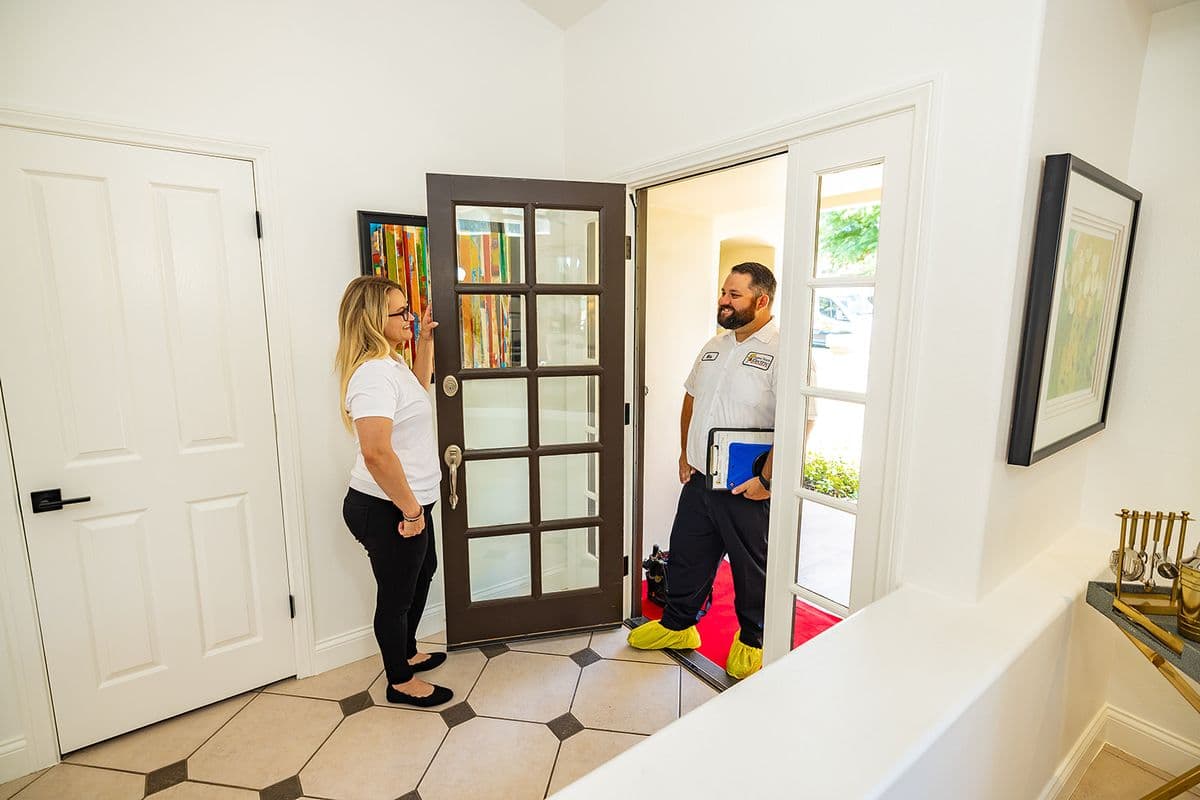
Performing electrical work requires specialized equipment for safety and effectiveness. Professionals have industrial-grade tools and supplies that most DIYers cannot access. For example, your electrician may bring along insulated gloves, industrial goggles, and protective footwear for safety.
Professionals may also bring rubber tools or advanced hardware to make sure exposed wires are handled properly and to prevent improper conduction of electricity. Even if a homeowner can gather the right supplies, it is usually more economical to reach out to an electrician who already possesses the equipment and has expertise in using them on a regular basis.
Risk of Interference With Active Power Lines
Trying to complete electrical work yourself can result in unintended interference with power lines. If your project is close to a street power line, for example, electrical currents from this line can quickly pass into your home via conduction and result in injury or death. In addition, high-voltage electricity from power lines can unexpectedly surge and damage large appliances or electronics. Fortunately, trained electricians are knowledgeable about the location of power lines and use caution to minimize any potential risks to your home.
Risk of Voiding Warranties
Many appliances and electronics require professional installation, maintenance, and repairs to uphold warranty coverage. Attempting to complete DIY projects yourself can render any warranty null and void. This leaves you responsible for any future repairs or necessary replacements. Similarly, many insurance policies will not cover damages that result from DIY projects. This leaves you to foot the bill in the event of accidents like electrical fires from loose wiring. By hiring an electrician, you can obtain documented proof of compliance with warranties and insurance plans.
Risk of Non-Compliance With Codes, Laws, or Permits
The legality of performing your own electrical work varies based on your municipality. Many projects that seem simple actually require permits to make sure the work complies with current codes and standards. These codes depend on both your locality and your state. Failure to obtain the right permit can result in fines, legal problems, and issues with completing future property transactions.
In fact, some locations penalize unlicensed electrical work with severe fines of up to $100,000. While it may seem harmless to save a few bucks and do a project yourself, code violations mean that you are breaking the law, and you may end up spending far more money in the long run to fix your legal troubles. Qualified electricians have the latest information about local laws and codes. They also have the permits necessary for risk-free work in your home.
Risk of Failed Inspections
Depending on the location, selling your home usually requires electrical inspections from a professional. If you attempted a DIY project and your work fails the inspection, most jurisdictions require you to fix the problem before closing the sale on your home. This is for protection of your liability as a seller and physical safety of future buyers.
In many cases, electricians end up needing to completely redo faulty electrical work to bring the house up to code. This can cut into any profit you intended to make when you planned to move from your home. Avoid problems with selling or shoddy work by enlisting the help of a real electrician from the start.
Get Help From the Experts Today
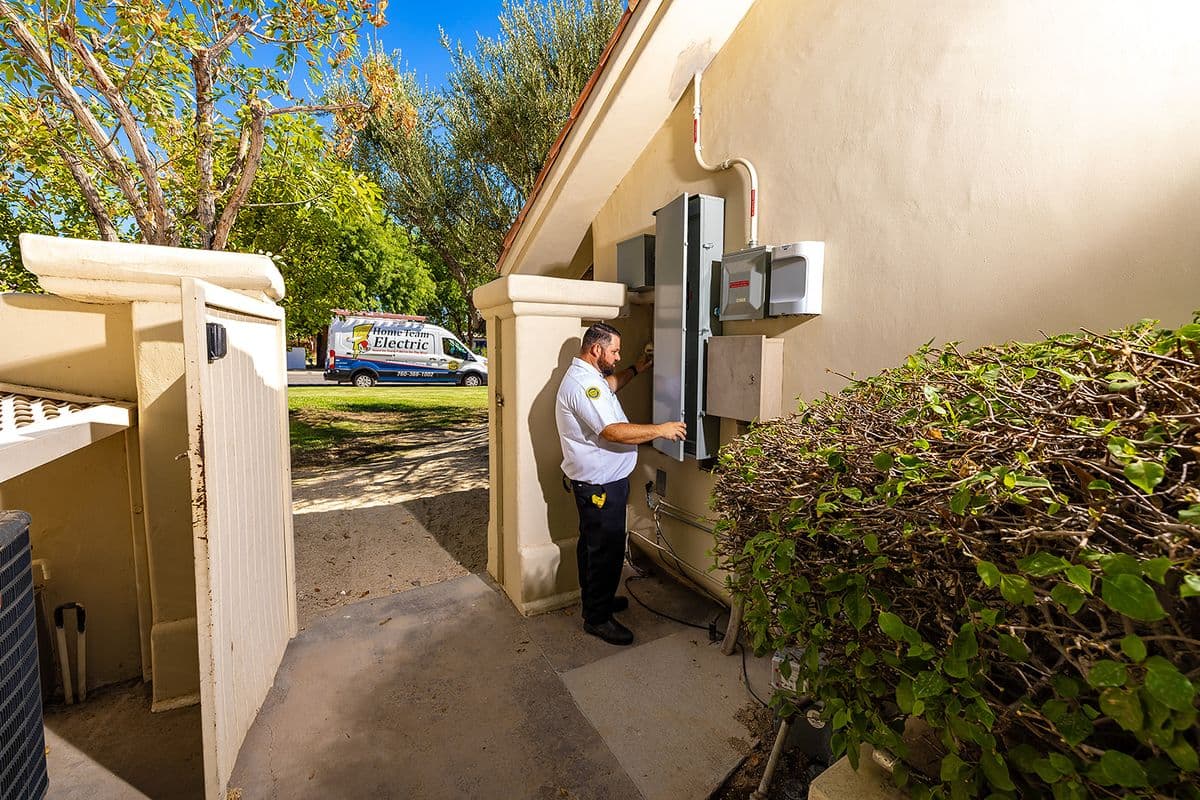
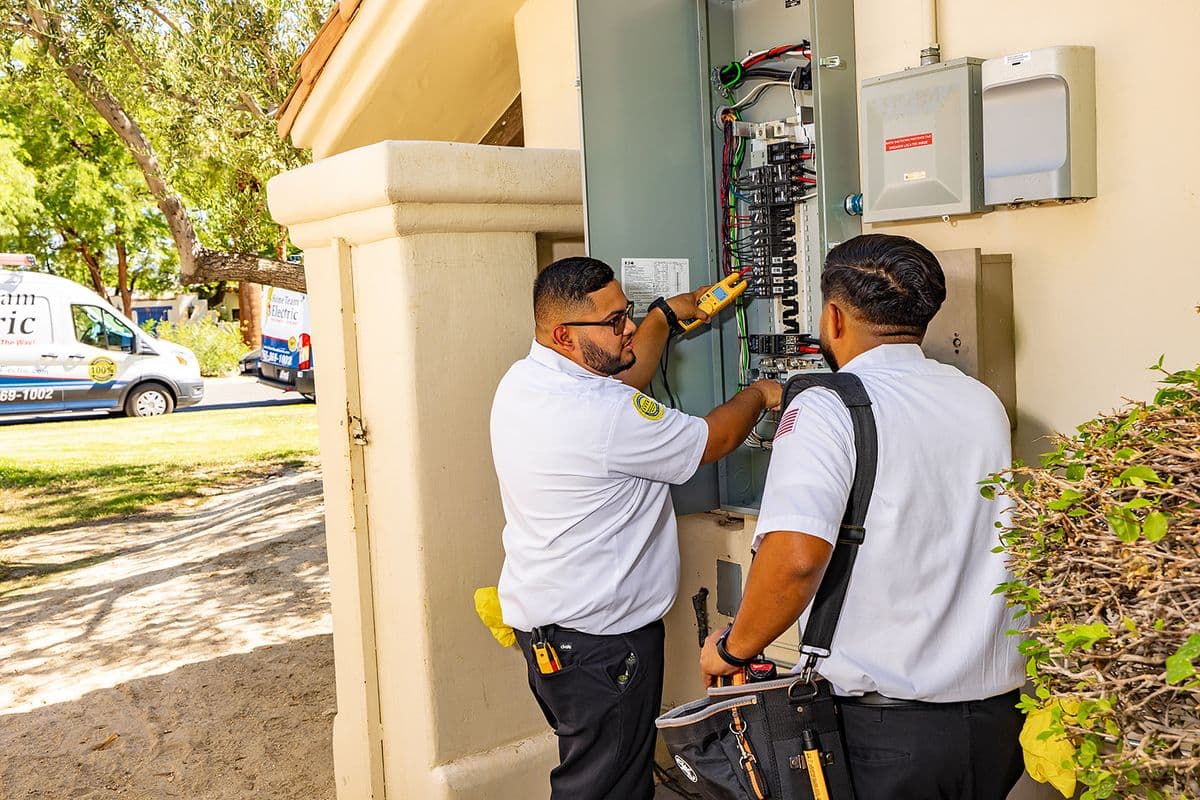
Any potential benefits of DIY electrical projects are not worth the inherent risks involved. If you have electrical problems, always reach out to a qualified electrician instead. Home Team Electric offers electrical services for homes in Palm Springs, Coachella Valley, Morongo Basin, and surrounding areas. We work with electrical panels, breakers, and can make sure that your home is in complete compliance with local electrical codes.
Our electricians are experts in both indoor and outdoor lighting, and we also install home smoke detectors to protect your family at all times. If you have an electrical issue that simply cannot wait, we also offer 24/7 emergency repairs to help. No matter the issue, we are here for you. Contact Home Team Electric today for all electrical repair and installation needs.
Google Search
Get more of our updates on Google
If our work has been helpful, add us as a preferred source: Google will show more of our updates in your Top Stories and AI results. It only changes what you see.
Add as Preferred SourceWritten By
Frank Luersen
leadership
There's a running tradition inside Home Team Electric called Frank Pranks, and it says everything about the kind of culture Frank built. Ask anyone on the team about it and they'll grin before they finish explaining it. Someone sets it up, he walks right into it, the room erupts, and whether he actually sees it coming is still an ongoing debate. Frank could settle it anytime. He hasn't.
California C-10 Electrical Contractor License #879507. Verify it at cslb.ca.gov.
Published April 9, 2024