For the average homeowner, electrical installation and repair can seem a bit confusing. For example, measuring units of electricity and what those measurements actually mean. Sometimes electricity is measured in watts and sometimes it’s measured using amps. What’s the difference between watts and amps? Let’s find out.
How Is Electricity Measured?
Before we can understand the difference between watts and amps, let’s get into some basic electrical concepts. Electricity is measured by three different units: current, resistance, and voltage. A formula known as Ohm’s law describes how each of these three different units are related to one another: voltage equals current times resistance.
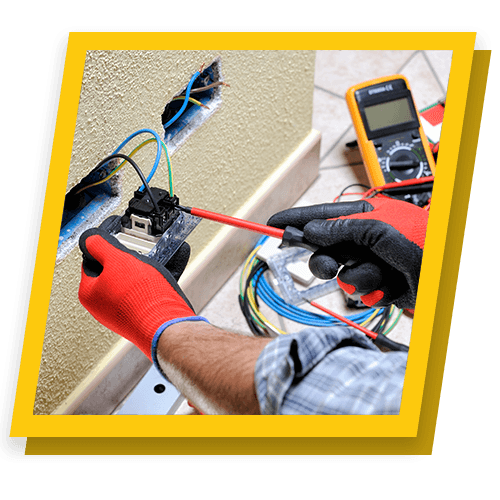
Current measures the rate of flow of electricity through a given circuit. It can be thought of as a measure of how much power is flowing to an electrical device. Amps, short for amperes, are used to measure current. The device used to measure amps of current is called a multimeter.
Resistance, measured in ohms, indicates how easily the electrical current flows through a conductor. The higher the resistance is, the more power will be needed to overcome this resistance. In home installation, wires that have to cover long distances will typically have more resistance than wire runs that only cover a short distance.
Voltage, measured in volts, is a measure of force. It tells us how much pressure is needed for the power source to push electricity through the conducting loop. One volt is equal to .001 kilowatts per hour of electricity.
What Is an Amp?
Amperes were named after the French scientists André-Marie Ampère. They are the international standard unit of measure used for measuring electrical current. Amps are symbolized by a capital letter A. Electrical appliances that require higher voltage to operate will need to receive more amps from the electrical circuit than lower-voltage appliances.
Think of electricity flowing out of the main breaker panel in your home like water flowing out of your kitchen faucet. You can turn on a kitchen faucet to a low setting; then water will flow of the tap slowly, and it will take a long time to fill a glass with water. This is equivalent to low amperage.
Amps that are too low for your household appliances and devices can result in blown breakers. In more serious cases, using amps that are too low for a given device can cause a fire.
What Is a Watt?
Watts measure the amount of energy required to power a device, taking resistance into account. Think of watts as being something like a horsepower used to measure how hard an engine works. You’re probably familiar with watts already from one common household context: light bulbs. A light bulb package, and often the bulb itself, will always tell you how many watts of energy are required to make the lightbulb work.
You can calculate watts by multiplying volts times amps. Imagine that you are going on a car trip. You want to know how far the car needs to travel, but also how much time the trip will take. In this scenario, you would calculate miles per hour to understand how far the car will travel in the given amount of time.
Amps are distance in the car trip analogy, volts are time, and watts are miles per hour. Miles per hour combine the factors of time and distance into a single value that gives us a more complete picture of the rate of speed; in the same way, wattage gives us a more complete picture of the energy needed to power a device.
The amount of power a particular device consumes can be measured in an additional unit called watt-hours. Watt-hours tell us how much work (used energy) is performed by a device applying one Watt of power over one hour of time. For example, a 200-Watt lightbulb consumes 2,000 Watt-hours of power when you leave it on for one hour.
To increase the amount of electrical power that a power supply produces, we can increase either the voltage or the current. Where there’s high resistance, increasing the amount of current makes electrical devices run more efficiently.
How Do I Know When It’s Time to Upgrade My Electric Service?
If you live in an older home, your electrical panel may have been installed at a time when the average family used less power than they typically do now. Homeowners often want to know if their electrical panel has enough capacity to handle all the appliances and devices their home runs. These are some signs it may be time to upgrade to a more powerful electrical panel:
- Appliances don’t work properly
- Flickering lights
- Breakers trip
- Panel shows signs of corrosion
- Too few electrical outlets
- Use of multiple extension cords
- Home was built before 1970
- Fuse box rather than circuit breaker panel
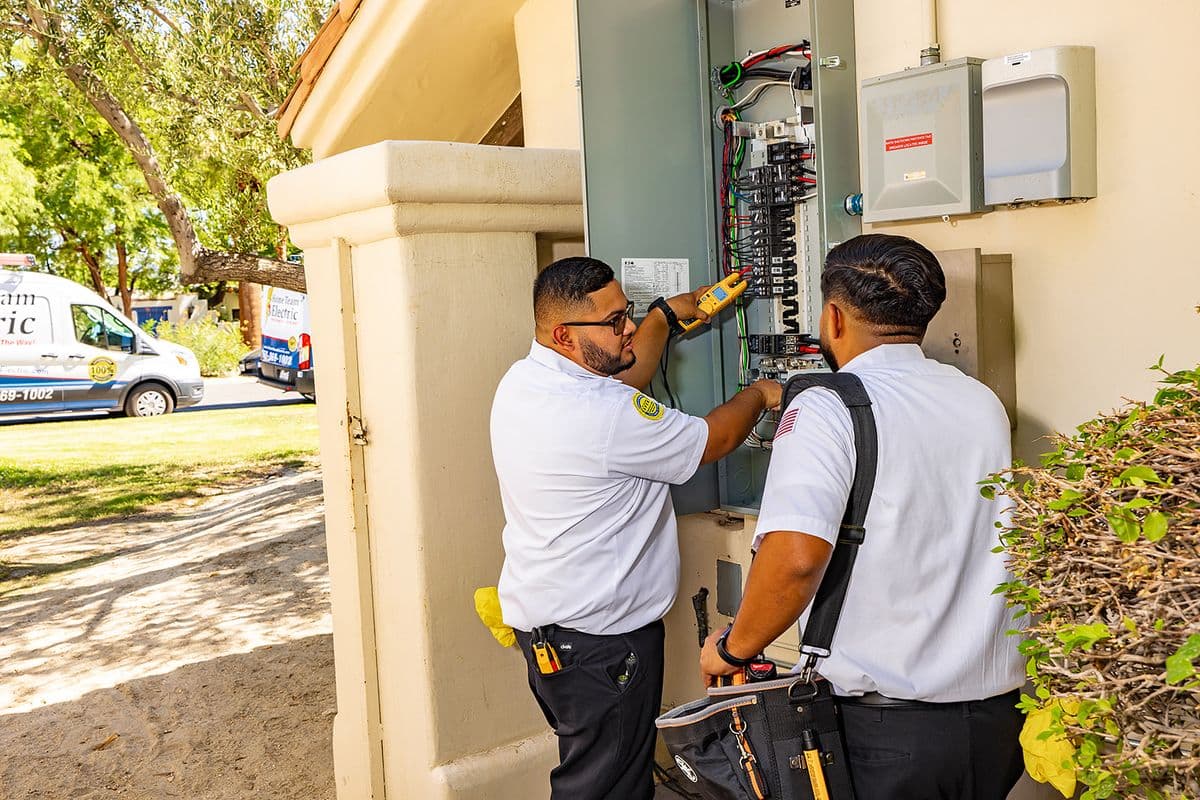
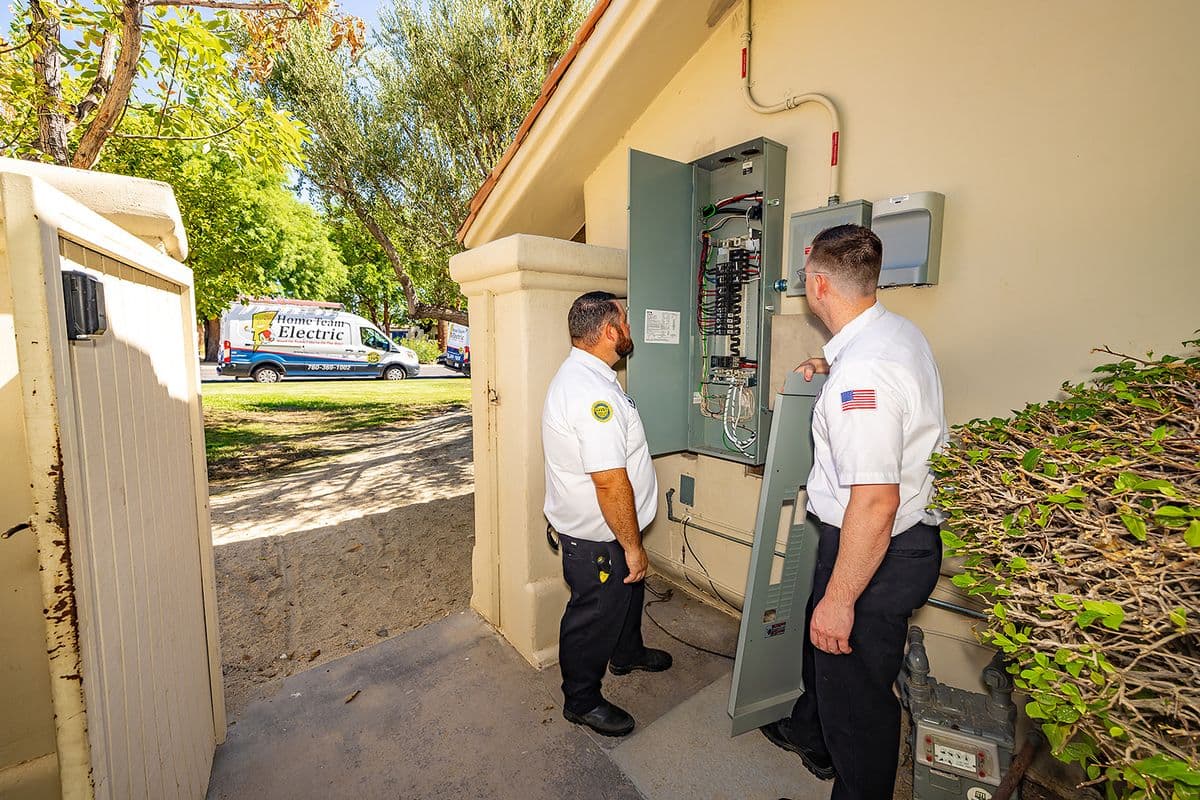
Upgrading your home’s breaker panel is not only a convenience, but also makes your home safer. Too little amperage coming from the breaker panel, as we noted above, can cause a fire.
In the event that your older home still has a fuse box, the fuses also add a slightly increased risk of starting a fire. For this reason, some insurance companies won’t issue a policy on a home that hasn’t had a fuse box upgraded to a circuit breaker panel. The breakers are designed to trip when overloaded rather than overheating, as a safety feature.
You may also consider calling a licensed electrical service to upgrade your home’s circuit breaker while you’re upgrading your home. Whether you’re remodeling your forever home to make it better suit your lifestyle or getting ready to sell, an up-to-date electrical panel that can handle modern appliances can help increase your home’s value.
Contact the Professionals
Proper electric maintenance and repair is not common knowledge and is better left to experienced electricians. This will minimize accidental damage and reduce safety hazards. The team at Home Team Electric is ready to tackle any and all of your electrical needs. We are family-owned and operated, serving the Coachella Valley, Morongo Basin, and surrounding areas.
Our electrical services include electrical panel upgrades, which is the best way to prevent electrical fires. If you’re unsure about your panel, we can come out and inspect it for you. Our other electrical services include lighting, surge protectors, smoke detectors, wiring, EV charging stations, breakers and fuses, as well as making sure your home meets code. We are Ygrene certified, as well as Green Screen certified and were also awarded an A+ BBB rating. We even offer 24/7 emergency service for those unexpected but urgent electrical situations.
Visit our website for an in-depth look at the services we offer, as well as our testimonials and over 2,000 reviews. You will also find information on our financing option, service area, and COVID-19 prevention. You can request service while you’re on our site as well. We truly value each and every homeowner we serve and aim to provide the highest quality service every time. Give us a call today to get your electrical needs taken care of!
Google Search
Get more of our updates on Google
If our work has been helpful, add us as a preferred source: Google will show more of our updates in your Top Stories and AI results. It only changes what you see.
Add as Preferred SourceWritten By

Frank Luersen
leadership
There's a running tradition inside Home Team Electric called Frank Pranks, and it says everything about the kind of culture Frank built. Ask anyone on the team about it and they'll grin before they finish explaining it. Someone sets it up, he walks right into it, the room erupts, and whether he actually sees it coming is still an ongoing debate. Frank could settle it anytime. He hasn't.
California C-10 Electrical Contractor License #879507. Verify at cslb.ca.gov
Published August 16, 2022