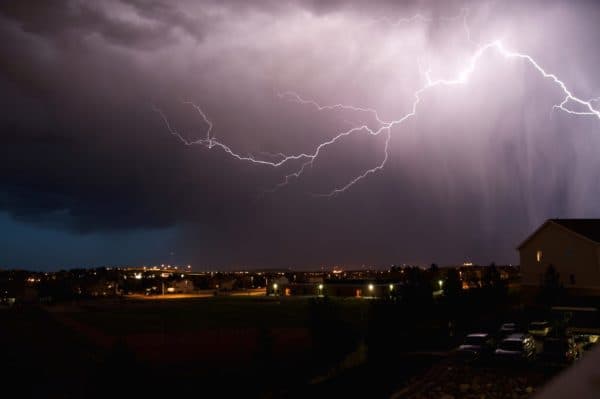
Rolling blackouts, brownouts, and thunderstorms can all lead to dangerous power surges and fluctuations in Palm Springs, CA. All of your home’s appliances, gadgets, and mechanical systems rely on a consistent level of power for safe and effective operation. A power surge, even a small one, can ruin your sensitive and pricey belongings. With a whole-home surge protector in place, you can protect your belongings and enjoy greater peace of mind. Be sure to plug in these 10 types of items into a surge-protected outlet.
1. Laptops and Computers
Many people work from home or take online classes. A laptop or desktop computer is critical to your ability to engage in these activities. Just a small surge or dip in current is enough to ruin an expensive laptop or desktop computer. Your employer may even hold you liable for any damage caused by a faulty electrical system, so it’s best to protect your bottom line and plug laptop chargers and desktop computers into a surge protector.
2. Gaming Systems
For more than 30 years, gaming systems have served as a go-to source of entertainment. No matter whether you have a vintage gaming system or the latest one, this equipment should be plugged into a surge protector. The hard drives and processors of gaming systems are easily damaged by a surge in current. Some systems save your game progress locally rather than in the cloud, and any damage to the memory or hard drive of your gaming system could erase all of the time and energy you’ve spent in the gaming environment.
3. Televisions
Today’s televisions contain complicated configurations of chips, processors and wiring. For many people, most or even all of their at-home leisure time centers around streaming shows, movies or live sports events. A surge of electricity could fry your television’s wiring, requiring the whole unit to be replaced. Plug your television into a surge protector to safeguard it from unexpected power surges.
4. Medical Equipment
Many people rely on at-home medical equipment for a variety of ongoing or intermittent conditions. If you use a C-PAP machine to help you breathe at night, make sure that it’s plugged into a surge protector. Nebulizers for treating asthma should also be plugged into a surge protector while they’re in use. When you’re not using the nebulizer, it’s best to unplug it. Other types of medical equipment to plug into a surge protector include oxygen delivery systems, breast pumps and medication pumps.
5. Routers and Modems
Your home’s or business’s internet runs through a router and modem. These devices are extremely sensitive to power fluctuations. A nearby lightning strike or sudden surge caused by a power company equipment malfunction could ruin your router or modem. Each of these devices cost a pretty penny to replace, and it’s best practice to plug them into a surge protector.
It’s especially important to plug these items into a surge protector if you don’t own them. Some internet service providers require customers to rent or lease the router and modem, and any damage to the equipment becomes your responsibility.
6. Office Equipment
In addition to routers, modems, laptops and desktop computers, other types of office equipment are also prone to damage from electrical surges. Printers draw a high amount of current when starting up, so these items should be plugged into a surge protector. Other office gadgets, such as docks, portable external hard drives, extra monitors and sound and lighting equipment should also be plugged into a surge-protected outlet.
7. Smart Phones
Most people rely on their smartphones for dozens of daily tasks. No matter how old your smartphone is or what make and model it is, the device is sensitive to any fluctuation in power. If a surge damages your phone, anything stored on its hard drive, including photos, recordings, passwords and more could be lost if you don’t have a current cloud backup or external backup drive. When charging your phone, make sure the charger is plugged into a surge protector.
8. Smart Small Appliances
Smart technology is all the rage in small appliances. Smart coffee makers, microwaves, toasters and other devices make your life easier and more convenient. These appliances might not work if their chips are damaged by an electrical surge. If you invested in a smart small home appliance, keep it plugged into a surge protector.
9. Smart Refrigerators
When a refrigerator’s compressor turns on, it draws a lot of power. If you don’t have a whole-home surge protector, your smart refrigerator should be plugged into its own surge protector. The technology in a smart refrigerator can fail in the event of a power surge, and this could ruin the appliance’s thermostat, water and ice dispensers and touchscreen.
10. Power Strips
Consider plugging your power strips into a surge protector. The power strips allow you to use multiple devices at the same time. For example, you might have your desk lamp, phone charger, extra monitor and laptop to plug in, and your wall outlet only has two plugs. By plugging these items into a power strip and plugging the power strip into the surge protector, you can protect all of your devices.
Another option is to invest in a whole-home surge protection system and have an electrician install a sufficient amount of outlets at convenient spaces in your home. This will reduce the need for power strips and extension cords. Extension cords present a trip-and-fall hazard, and walking on them may cause damage that leads to an electrical fire.
What Not to Plug Into a Surge Protector
While surge protectors will protect most of your belongings, there are a few items that you shouldn’t plug into them. Vacuum cleaners draw a high current load, which can damage the surge protector. Never plug a space heater, air conditioner or electric motor into a surge protector. Instead of using a portable surge protector, plug those items directly into a wall outlet. If you want to protect electrical appliances that require high amperage, invest in a whole-home surge protection system.
How to Know If Your Surge Protector Is Working
Plugging your items into a surge protector won’t help if the unit isn’t turned on or working properly. Surge protectors typically have a switch with an indicator light. The light should glow when the surge protector is working. If the indicator light doesn’t turn on, your surge protector might not be functional. A whole-home surge protector makes sure that all of your home’s outlets are protected from electrical fluctuations.
If you’re not in need of surge protection systems today, our electricians at Home Team Electric also offer EV charging stations, lighting, ceiling fans, smoke detectors and wiring installations and repairs. Our electrical upgrade, circuit breaker and box replacement and code compliance services keep your home or business safe. For more details about what to plug into a surge protector or to get an estimate on surge protector installation services in Palm Springs, get in touch with us at Home Team Electric today.
Google Search
Get more of our updates on Google
If our work has been helpful, add us as a preferred source: Google will show more of our updates in your Top Stories and AI results. It only changes what you see.
Add as Preferred SourceWritten By

Frank Luersen
leadership
There's a running tradition inside Home Team Electric called Frank Pranks, and it says everything about the kind of culture Frank built. Ask anyone on the team about it and they'll grin before they finish explaining it. Someone sets it up, he walks right into it, the room erupts, and whether he actually sees it coming is still an ongoing debate. Frank could settle it anytime. He hasn't.
California C-10 Electrical Contractor License #879507. Verify it at cslb.ca.gov.
Published July 19, 2022