Custom Whole-Home Generator Installation Services
Backup generator installation in Riverside County requires a permit. Our experts will acquire the permit, meet or exceed all installation codes, and handle the code-compliance inspection. We also help homeowners navigate HOA requirements in addition to the county codes.
A key decision you’ll need to make for your backup generator is how you’ll power it. Nearly 90% of homes in Southern California have natural gas access, and that’s what we recommend. It’s the cheapest option and the most convenient, since you’ll never run out.
If your property doesn’t have natural gas access, the main alternative is liquid propane. You can store propane in a tank on your property and get deliveries as needed. It’s important to schedule proactive deliveries, as there can be delays during extended power outages.
A common question homeowners have is whether they’ll need electrical upgrades. Our team will have to install an automatic transfer switch (ATS), which is what handles the switchover during outages. If you have an older house with the original electrical system, it may be necessary to upgrade the electrical panel. Even in newer houses built before 2020, it’s often necessary to add whole-house surge protection.
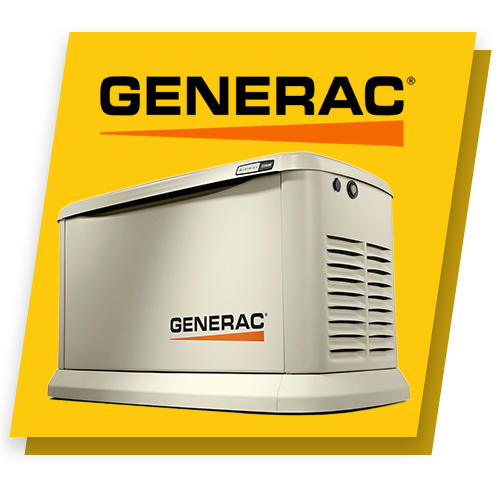
Top brands, like Generac, offer their generators in a wide range of sizes or capacities, and which size that is best for your home depends on your goals. Smaller generators provide essential coverage for your lighting, cooling, heating, refrigerators, and freezers.
Larger generators provide what the industry calls managed whole-home coverage. It lets you select other items to power as needed, including kitchen appliances, modems, routers, and so forth.
There are many potential benefits to installing a backup generator:
- Stop food spoilage
- Improved property value
- Home insurance discounts
- Active security during outages
- Better protect appliances and devices

 View Specials
 Schedule Now