
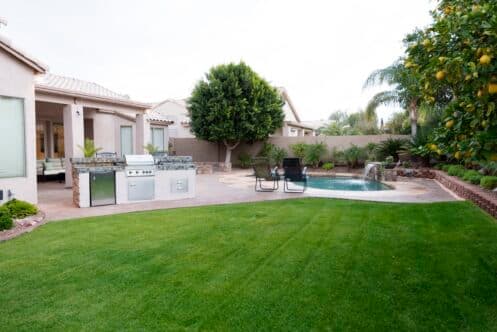
When you think about backyard pool safety, your first thought might be fences, lifeguards, or slippery tiles. But behind the scenes, your electrical system plays a quiet yet critical role. Faulty wiring near water can pose significant hazards, particularly with lighting, outlets, and pool equipment nearby.
Ground-Fault Circuit Interrupters Protect in Seconds
GFCI (shock prevention) protection makes a real difference when electricity meets water. These outlets sense even tiny changes in current and shut off power before a shock can reach you. For example, imagine wet hands brushing against a light switch inside a cabana. A GFCI outlet can cut power almost instantly, likely preventing injury.
Without that feature, a small short could become dangerous. You need GFCI protection, not just near the pool but also for any outdoor outlet within about 20 feet. When any kind of wiring service is completed or pool features are added, installing GFCIs is one of the most straightforward and effective updates you can make.
Dedicated Circuits Keep Pumps and Heaters Safe
Your pool pump draws steady power all the time. A pump and heater that share a circuit with household outlets or outdoor lights risk overloading wires. If a breaker trips every time you plug in a lawn tool, that’s a sign of circuit stress. Each pool appliance needs its line sized correctly for the current it draws.
That prevents nuisance tripping, overheating, and potential fire hazards. If your pump or heater shares space with other devices, that setup can’t keep up. Swapping in a dedicated circuit fixes that imbalance and protects your gear from unexpected shutdowns.
Pool Panel Voltage Needs Attention
Many pool installations use their subpanel to manage pumps, lights, and heaters. That panel needs the right voltage and capacity for your specific gear. You wouldn’t use a 120-volt panel to run a 240-volt heater. That mismatch trips breakers, reverses motor direction, or destroys components. Your electrician will assess your load with precise calculations for amps and voltage drop in your cable.
If the panel isn’t rated to handle your setup or if wire sizes are undersized, you’ll have symptoms like motor hums, flickering lights, or weird breaker behavior. Upgrading that panel and cable during new equipment installs puts safety and performance first.
Bonding and Grounding Tie Everything Together
Bonding and grounding work quietly behind the scenes. Bonding means connecting every metal part, railings, lamp posts, and heater housing, to a common electrical conductor. That way, the tray current goes back to the panel, not through a person. Grounding attaches that bonded system back to the earth through a rod or plate.
Because pools often involve metal ladders, handrails, or light fittings near water, bonding keeps stray voltage contained. People don’t think of bonding until someone feels a tingle while stepping on wet concrete. Adding or testing that bonding wire during servicing removes that hidden risk.
Low-Voltage Landscape Lighting Adds Safety and Style
Walking through a dark backyard can be uncomfortable and unsafe. Adding low-voltage lighting around the pool area gives a soft glow and safer visibility. Low-voltage wire usually carries 12 volts, which is safe even in wet conditions. When set up with transformers and wiring rated for outdoor use, these lights offer both aesthetics and calm confidence. Choose fixtures rated for near-water placement and bury cables beneath GFCI-protected circuits. That way, bigger equipment stays separate while your garden lights brighten walkways without risk.
Smart Automation Means Smarter Safety
Smart technology devices can help keep you safe. For example, smart circuit breakers give alerts on your phone or through voice assistants if something trips or appliances run too long. You might wake up to a notification that the pool heater ran for hours, suggesting a stuck thermostat or low water flow.
Apps on your phone can show wiring diagrams, breaker status, and wiring history. That kind of visibility helps prevent dangerous situations before they begin. Also, consider adding timer switches to pumps or lights so you won’t run them accidentally all night.
Cabana and Outbuilding Wiring Needs Attention Too
Many people build a cabana or shed near the pool for storage, changing, or entertainment. That space needs the same code-level wiring as the main house. If someone plugs in a music player or runs a water pump, those outlets and switches must sit on GFCI circuits and use outdoor-rated boxes.
Outlet covers must stay waterproof when you flip a switch in wet weather. Grounding rods may need extending. Even small cabanas should get the same foundational wiring procedures as big structures. That prevents overloading, power loss, and shock risk in places you might go barefoot.
Adapting Wires for Upgrades and Additions
What if you add water features after the pool is done? A waterfall, fountain, or spa jets all need dedicated wiring and proper placement near water. You can’t just tap into the hose from the pump line and guess wiring capacity. Each feature draws amps, heats wires, and stresses breakers.
Smart planning means selecting wire insulation rated for the environment, like sunlight-resistant cable in conduits, and running new lines for each addition. Fuse boxes and panels must be updated to handle added loads. This kind of prep avoids breakdowns and makes sure everything is safe before the first feature runs.
Seasonal Testing Keeps Everything in Check
Pool wiring doesn’t stay safe by itself. It needs eyeing and testing, especially before your first swim. Walk around the pool pump, panel, and lighting fixtures. Feel for warm outlets or listen for buzzing sounds. Use the GFCI test button monthly to replicate a ground fault. Make sure your breakers trip cleanly. Every few seasons, have a licensed electrician run an electrical pool inspection. A pro can test bonding continuity, voltage drops, breaker settings, and ground resistance. That check identifies problems early, well before they become outages or hazards.
Planning for Emergencies and Outages
Power outages hurt the pump. Smart wiring means installing a transfer switch or interlock kit so that you can connect a generator safely. Power your pump without back-feeding neighbors or creating shock hazards. That feature pays off when summer storms strike, but it needs the right hardware and careful wiring using weatherproof receptacles and code-rated conduits. A backup planning phase also encourages you to label circuits and map wiring for anyone helping during an outage.
Working With Permits and Local Codes
Local codes matter when electricity touches water. Building codes require permits, inspections, and qualified labor for pool wiring, and that isn’t just paperwork. Inspectors verify GFCIs, bonding routes, panel placements, and line types. Adding a light at the pool edge can fail inspection if not wired correctly.
That failure can create liability if something goes wrong. Taking time to get permit approval means your setup meets both safety and legal standards. That way, you stay covered by insurance, protect your family, and reduce the risk of future repair delays.
Stay Safe at Your Pool
Our professionals can help with all your electrical needs, from EV charger installation to whole-home surge protection and electrical panel upgrades. Schedule an electrical inspection today with Home Team Electric in Thousand Palms, CA.
Related: Emergency Electricians near Beaumont, CA.
Related: Quality Electrical Contractors in La Quinta, CA
Related: Home EV Charging Station Installation in Palm Springs, CA
Google Search
Get more of our updates on Google
If our work has been helpful, add us as a preferred source: Google will show more of our updates in your Top Stories and AI results. It only changes what you see.
Add as Preferred SourceWritten By

Frank Luersen
leadership
There's a running tradition inside Home Team Electric called Frank Pranks, and it says everything about the kind of culture Frank built. Ask anyone on the team about it and they'll grin before they finish explaining it. Someone sets it up, he walks right into it, the room erupts, and whether he actually sees it coming is still an ongoing debate. Frank could settle it anytime. He hasn't.
California C-10 Electrical Contractor License #879507. Verify it at cslb.ca.gov.
Published July 21, 2025